

Lamb, Australian, imported, fresh, leg, whole (shank and sirloin), separable lean and fat, trimmed to 1/8" fat, cooked, roasted
Whole food · Lamb, Veal, and Game Products

Photo: Wikipedia
This is a premium cut of Australian lamb, roasted to a rich, savory perfection with a beautifully browned crust and tender, juicy interior. The lean meat is succulent and deeply flavorful, while the thin layer of fat renders during cooking to baste the meat, adding richness without being overly heavy. It's a high-protein, zero-carb centerpiece, delivering a robust 25 grams of protein per 100g serving.
Calorie split: 42% protein · 0% carbs · 58% fat
↓ Full nutrition💚 Why it's loved
People adore it for its distinctive, slightly sweet and earthy flavor that is richer than chicken but less gamey than some other red meats. Its versatility allows it to be the star of a simple Sunday roast or the base for complex, spiced dishes across many cuisines.
⚠️ Watch-outs & how to enjoy it better
The fat content, while flavorful, can be a concern for those monitoring saturated fat intake. The richness can also be overwhelming for some palates. To counteract, trim visible fat before cooking if desired, and pair with acidic, bright sides like a mint sauce, lemony salad, or pickled vegetables to cut through the richness and aid digestion.
Key benefits
- Excellent source of high-quality protein for muscle maintenance.
- Rich in essential minerals like iron, zinc, and selenium.
- Provides B vitamins, particularly B12, crucial for nerve function.
- Naturally low in carbohydrates, suitable for low-carb diets.
- The fat content includes conjugated linoleic acid (CLA).
🍽️ Popular dishes
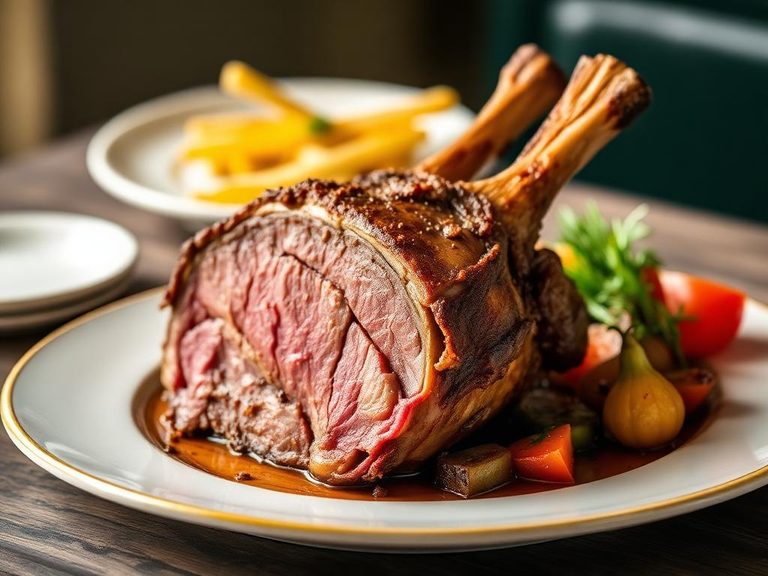
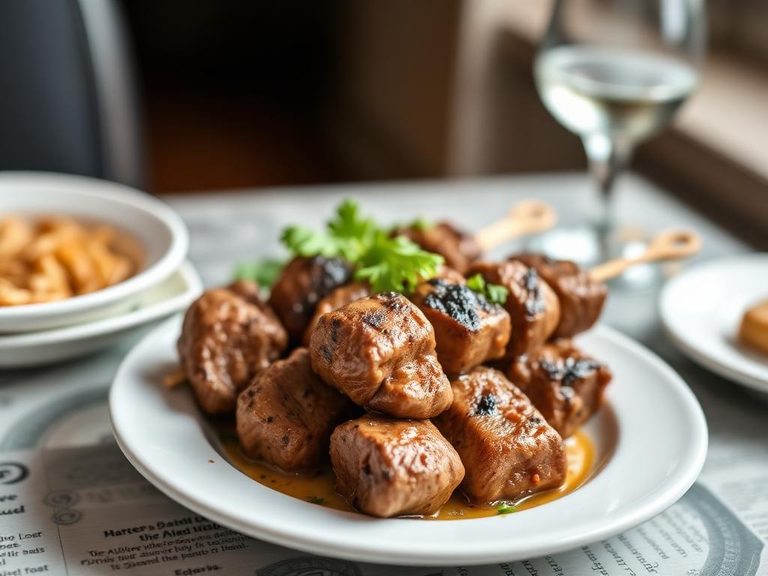
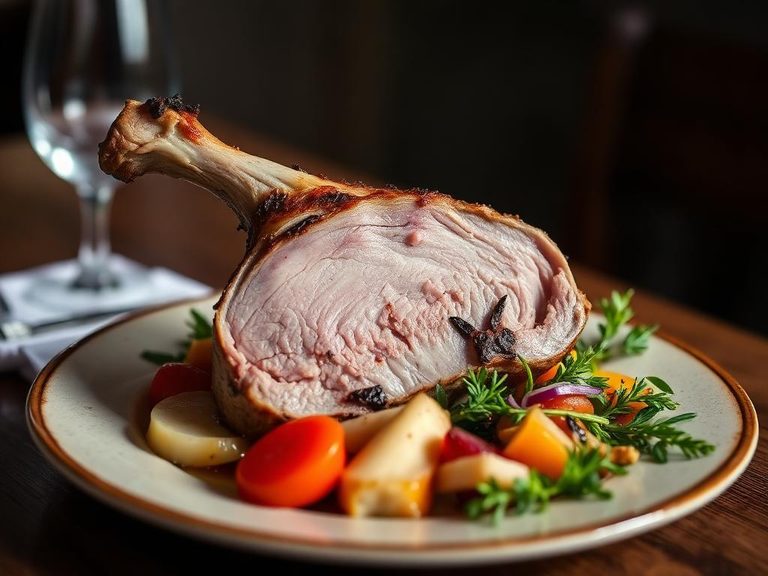
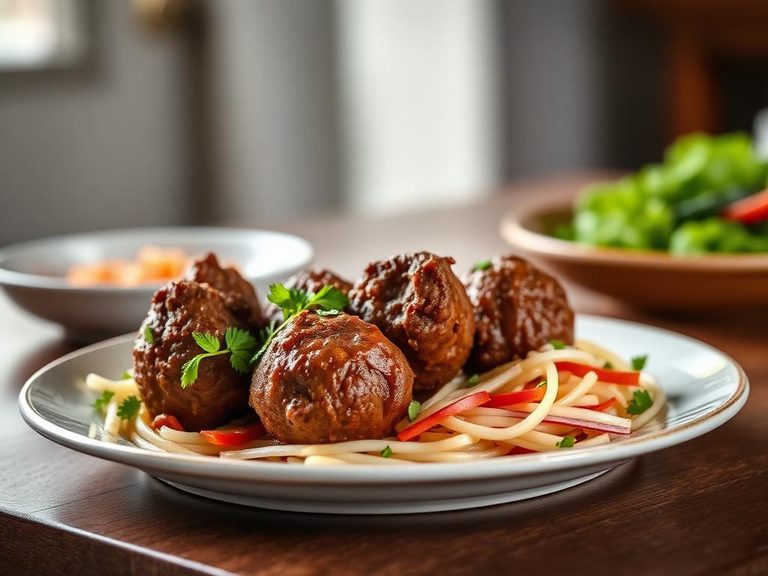
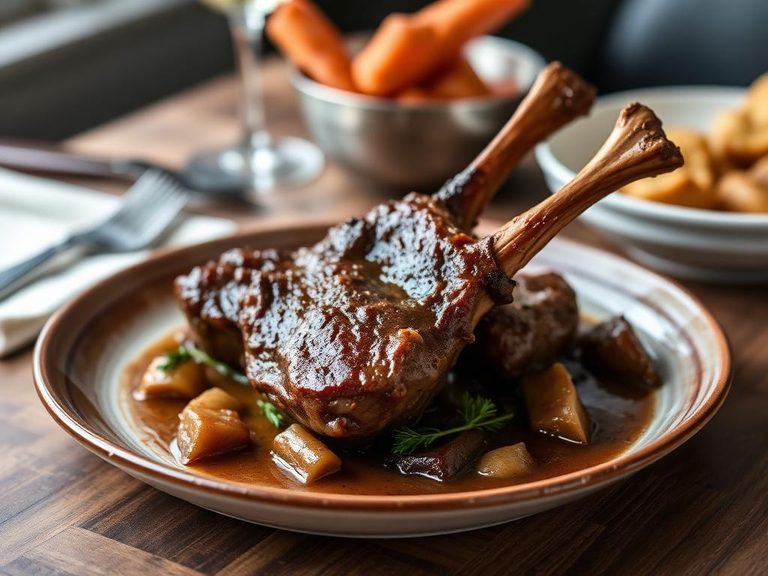
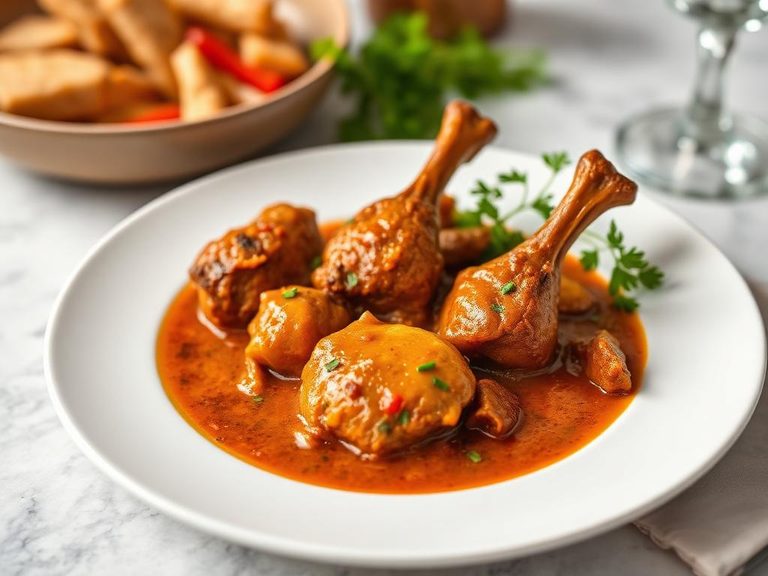
🌍 Where it's eaten
💡 Did you know?
The specific designation 'trimmed to 1/8" fat' is a USDA grading term, indicating a precise, lean preparation that ensures consistent cooking and a cleaner eating experience compared to untrimmed cuts.
Full nutrition (USDA data · scales with serving)
| Water | 59.6 g |
| Energy | 244 kcal |
| Energy | 1021 kj |
| Protein | 25.2 g |
| Total lipid (fat) | 15.1 g |
| Ash | 1.0 g |
| Carbohydrate, by difference | 0.00 g |
| Calcium, Ca | 11.0 mg |
| Iron, Fe | 2.0 mg |
| Magnesium, Mg | 23.0 mg |
| Phosphorus, P | 202 mg |
| Potassium, K | 309 mg |
| Sodium, Na | 70.0 mg |
| Zinc, Zn | 4.4 mg |
| Copper, Cu | 0.15 mg |
| Manganese, Mn | 0.01 mg |
| Selenium, Se | 5.7 ug |
| Thiamin | 0.13 mg |
| Riboflavin | 0.39 mg |
| Niacin | 5.4 mg |
| Pantothenic acid | 0.92 mg |
| Vitamin B-6 | 0.42 mg |
| Vitamin B-12 | 3.0 ug |
Fat & fatty acid profile (per 100g)
| Fatty acids, total saturated | 7.1 g |
| SFA 10:0 | 0.02 g |
| SFA 12:0 | 0.04 g |
| SFA 14:0 | 0.56 g |
| SFA 15:0 | 0.09 g |
| SFA 16:0 | 3.3 g |
| SFA 17:0 | 0.23 g |
| SFA 18:0 | 2.8 g |
| SFA 20:0 | 0.01 g |
| Fatty acids, total monounsaturated | 6.1 g |
| MUFA 14:1 | 0.03 g |
| MUFA 16:1 | 0.28 g |
| MUFA 18:1 | 5.6 g |
| MUFA 20:1 | 0.06 g |
| Fatty acids, total polyunsaturated | 0.61 g |
| PUFA 18:2 | 0.38 g |
| PUFA 18:3 | 0.18 g |
| PUFA 20:4 | 0.04 g |
| Cholesterol | 88.0 mg |
Amino acid profile (per 100g)
| Tryptophan | 0.29 g |
| Threonine | 1.1 g |
| Isoleucine | 1.2 g |
| Leucine | 2.0 g |
| Lysine | 2.2 g |
| Methionine | 0.64 g |
| Cystine | 0.30 g |
| Phenylalanine | 1.0 g |
| Tyrosine | 0.84 g |
| Valine | 1.4 g |
| Arginine | 1.5 g |
| Histidine | 0.80 g |
| Alanine | 1.5 g |
| Aspartic acid | 2.2 g |
| Glutamic acid | 3.7 g |
| Glycine | 1.2 g |
| Proline | 1.1 g |
| Serine | 0.93 g |
FAQ
What's the best way to cook this cut to keep it tender?
Roast it to an internal temperature of 145°F (63°C) for medium-rare, then let it rest for 10-15 minutes before slicing. This allows the juices to redistribute, ensuring every slice is moist and tender.
Is this cut suitable for grilling?
Yes, but it's best when butterflied or cut into large steaks for even cooking. Direct high heat works well, but be mindful of flare-ups from the fat. Marinating beforehand can add flavor and help with tenderness.
How does Australian lamb differ from other lamb?
Australian lamb is typically grass-fed, resulting in a leaner meat with a distinct, clean flavor. The country's climate allows for year-round grazing, often leading to a consistent product without the strong 'gamey' taste some associate with lamb from other regions.
Nutrient density (calculated · NRF9.3)
Nutrient Rich Foods index: beneficial nutrients (protein, fiber, vitamins, minerals) minus saturated fat, added sugar & sodium, per 100 kcal.
NRF9.3 index — Fulgoni, Keast & Drewnowski, 2009. Computed from USDA nutrients.
Weight-loss friendliness (composite index)
Energy density 2.44 kcal/g · 41% calories from protein · 0.0 g fiber · 0.0 g sugar per 100 g.
Composite of energy density (Rolls et al., 1999), protein & fiber satiety, minus sugar. A calculated heuristic — ranks satiety-per-calorie, not a clinical measure.
Dietary load (calculated from USDA values)
Potential renal acid load. Positive = acid-forming, negative = alkaline-forming.
Sodium-to-potassium ratio: 0.23 (lower is better — aim for ≤ 1)
Sodium:potassium per WHO potassium guidance. Computed from USDA nutrients.