

Lamb, Australian, imported, fresh, leg, center slice, bone-in, separable lean only, trimmed to 1/8" fat, raw
Whole food · Lamb, Veal, and Game Products
This is a lean, bone-in cut from the center of an Australian lamb leg, prized for its deep, savory flavor and firm, satisfying texture. With virtually no carbohydrates and a significant protein punch, it's a cornerstone of high-protein, low-carb diets. The minimal fat trim ensures a clean, meaty taste that absorbs marinades and seasonings beautifully.
Calorie split: 60% protein · 0% carbs · 40% fat
↓ Full nutrition💚 Why it's loved
People love it for its robust, distinctive lamb flavor that's less gamey than some cuts but still deeply savory. Its versatility makes it a star in everything from elegant Sunday roasts to hearty kebabs, connecting it to culinary traditions worldwide.
⚠️ Watch-outs & how to enjoy it better
The leanness can make it prone to drying out if overcooked, requiring careful temperature control or moist cooking methods. Those watching saturated fat intake should be mindful, as lamb is a red meat. Counteract dryness by brining, marinating, or cooking to a precise medium-rare, and balance the meal with fiber-rich vegetables.
Key benefits
- Excellent source of high-quality protein for muscle maintenance
- Naturally zero carbohydrates, ideal for keto and low-carb diets
- Rich in essential nutrients like iron, zinc, and B vitamins
- Lean cut provides substantial nutrition with moderate calories
- Versatile for roasting, grilling, or slow-cooking
🍽️ Popular dishes
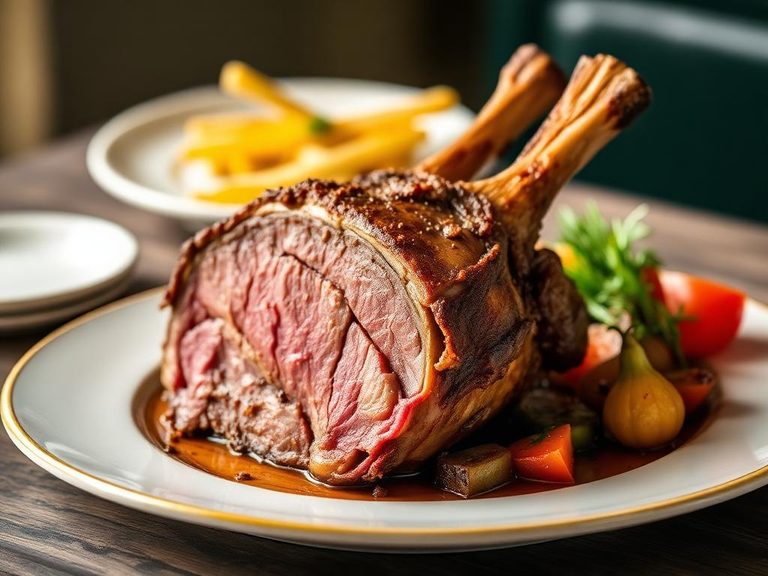
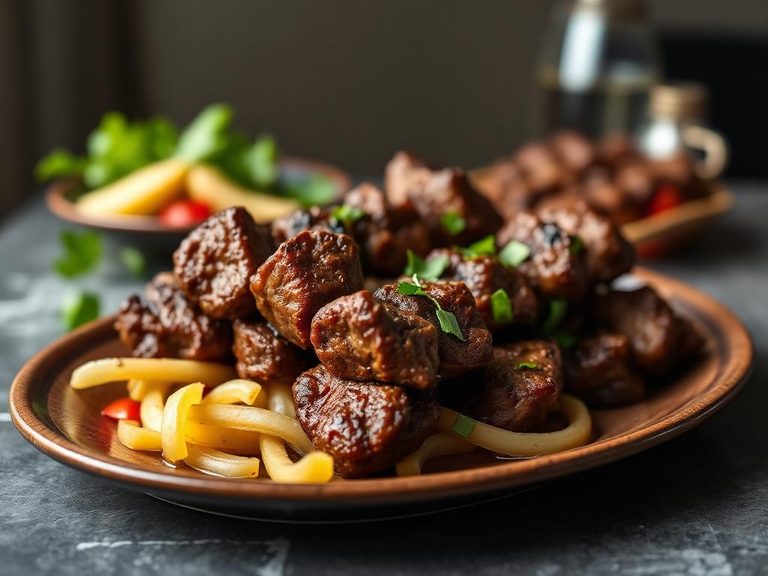
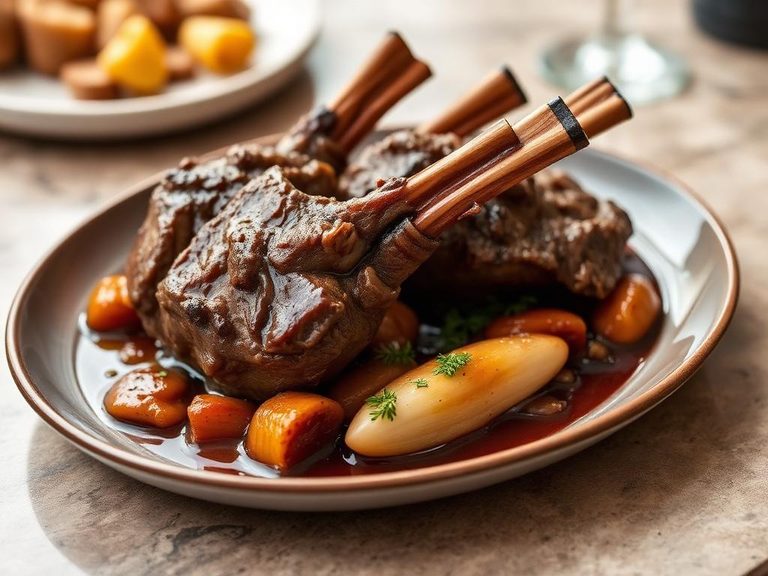
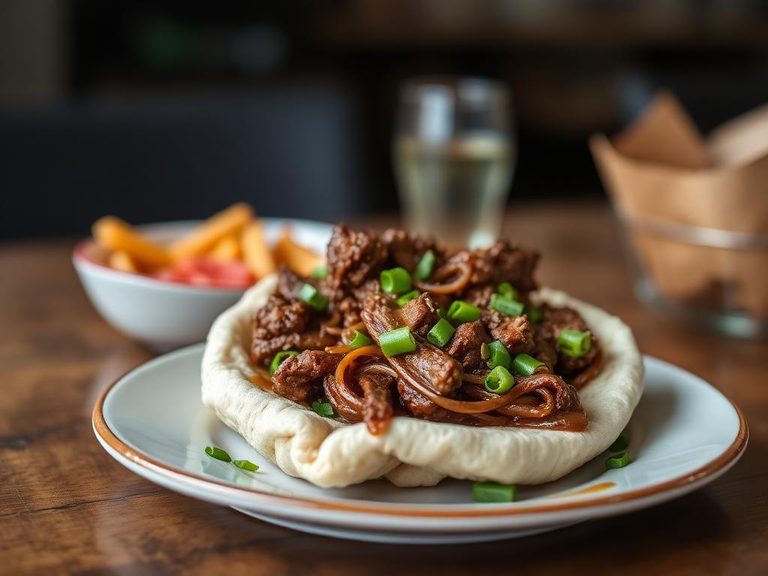
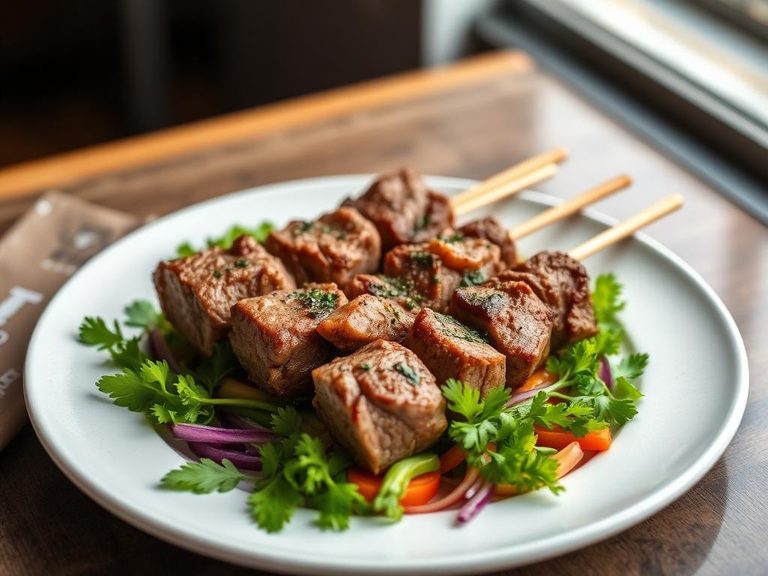
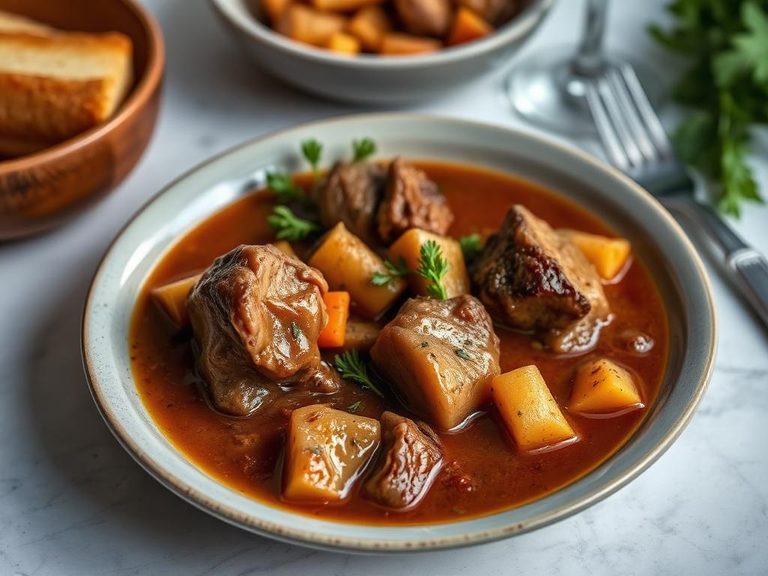
🌍 Where it's eaten
💡 Did you know?
Lamb is one of the oldest meats consumed by humans, with evidence of its domestication dating back over 10,000 years to the Fertile Crescent.
Full nutrition (USDA data · scales with serving)
| Water | 73.5 g |
| Energy | 143 kcal |
| Energy | 598 kj |
| Protein | 20.6 g |
| Total lipid (fat) | 6.1 g |
| Ash | 1.1 g |
| Carbohydrate, by difference | 0.00 g |
| Calcium, Ca | 9.0 mg |
| Iron, Fe | 1.9 mg |
| Magnesium, Mg | 25.0 mg |
| Phosphorus, P | 214 mg |
| Potassium, K | 342 mg |
| Sodium, Na | 64.0 mg |
| Zinc, Zn | 3.6 mg |
| Copper, Cu | 0.16 mg |
| Manganese, Mn | 0.02 mg |
| Selenium, Se | 8.0 ug |
| Thiamin | 0.15 mg |
| Riboflavin | 0.32 mg |
| Niacin | 5.6 mg |
| Pantothenic acid | 0.53 mg |
| Vitamin B-6 | 0.41 mg |
| Vitamin B-12 | 3.0 ug |
Fat & fatty acid profile (per 100g)
| Fatty acids, total saturated | 2.4 g |
| SFA 10:0 | 0.01 g |
| SFA 12:0 | 0.01 g |
| SFA 14:0 | 0.18 g |
| SFA 15:0 | 0.02 g |
| SFA 16:0 | 1.3 g |
| SFA 17:0 | 0.07 g |
| SFA 18:0 | 0.85 g |
| SFA 20:0 | 0.01 g |
| Fatty acids, total monounsaturated | 2.5 g |
| MUFA 14:1 | 0.01 g |
| MUFA 16:1 | 0.12 g |
| MUFA 18:1 | 2.3 g |
| MUFA 20:1 | 0.02 g |
| Fatty acids, total polyunsaturated | 0.33 g |
| PUFA 18:2 | 0.19 g |
| PUFA 18:3 | 0.09 g |
| PUFA 20:4 | 0.04 g |
| Cholesterol | 64.0 mg |
Amino acid profile (per 100g)
| Tryptophan | 0.24 g |
| Threonine | 0.88 g |
| Isoleucine | 1.00 g |
| Leucine | 1.6 g |
| Lysine | 1.8 g |
| Methionine | 0.53 g |
| Cystine | 0.25 g |
| Phenylalanine | 0.84 g |
| Tyrosine | 0.69 g |
| Valine | 1.1 g |
| Arginine | 1.2 g |
| Histidine | 0.65 g |
| Alanine | 1.2 g |
| Aspartic acid | 1.8 g |
| Glutamic acid | 3.0 g |
| Glycine | 1.0 g |
| Proline | 0.87 g |
| Serine | 0.77 g |
FAQ
How is this cut different from a lamb leg steak?
A center slice is a cross-section of the leg, often with the bone in, providing a uniform thickness for even cooking. A leg steak is typically a thicker, boneless cut from the leg, which may have more connective tissue.
What's the best way to cook this cut to keep it tender?
For the best results, use a meat thermometer to avoid overcooking. Aim for an internal temperature of 135-145°F (57-63°C) for medium-rare to medium. Let it rest for 5-10 minutes after cooking to allow juices to redistribute.
Is Australian lamb different from other lamb?
Australian lamb is often noted for its consistent quality, mild flavor, and year-round availability due to the country's climate and farming practices. It's typically grass-fed, which can influence its fat profile and taste.
Nutrient density (calculated · NRF9.3)
Nutrient Rich Foods index: beneficial nutrients (protein, fiber, vitamins, minerals) minus saturated fat, added sugar & sodium, per 100 kcal.
NRF9.3 index — Fulgoni, Keast & Drewnowski, 2009. Computed from USDA nutrients.
Weight-loss friendliness (composite index)
Energy density 1.43 kcal/g · 58% calories from protein · 0.0 g fiber · 0.0 g sugar per 100 g.
Composite of energy density (Rolls et al., 1999), protein & fiber satiety, minus sugar. A calculated heuristic — ranks satiety-per-calorie, not a clinical measure.
Dietary load (calculated from USDA values)
Potential renal acid load. Positive = acid-forming, negative = alkaline-forming.
Sodium-to-potassium ratio: 0.19 (lower is better — aim for ≤ 1)
Sodium:potassium per WHO potassium guidance. Computed from USDA nutrients.