

Jute, potherb, raw
Whole food · Vegetables and Vegetable Products

Photo: Wikipedia
Jute potherb, also known as molokhia or Egyptian spinach, is a leafy green with a distinctive, slightly mucilaginous texture when cooked, similar to okra. Its flavor is mild and subtly earthy, often compared to a blend of spinach and asparagus. Nutritionally, it stands out for its high protein content (4.65g per 100g) relative to its very low calorie count.
Calorie split: 42% protein · 53% carbs · 5% fat
↓ Full nutrition💚 Why it's loved
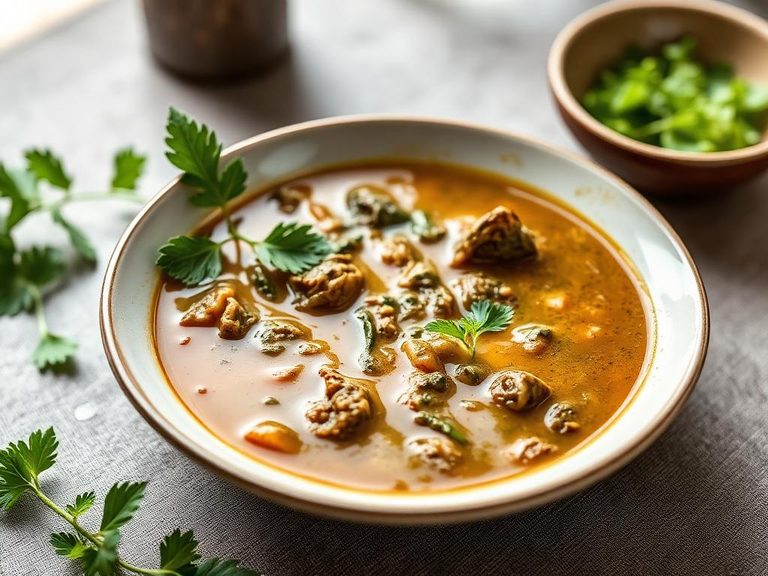
People love jute potherb for its unique, silky texture that thickens soups and stews, creating a comforting, hearty consistency. It is a beloved staple in many cuisines, forming the base of iconic dishes that carry deep cultural and familial significance.
⚠️ Watch-outs & how to enjoy it better
The mucilaginous (slimy) texture can be off-putting to those unfamiliar with it. To counteract this, it is often finely chopped and cooked with acidic ingredients like lemon juice or tomatoes, or blended smooth. Some individuals may need to monitor intake due to its vitamin K content if on blood-thinning medication.
Key benefits
- Excellent source of plant-based protein for a leafy green.
- Very low in calories and fat, making it ideal for weight management.
- Rich in vitamins A, C, and K, as well as minerals like iron and calcium.
- Contains antioxidants that may support cellular health.
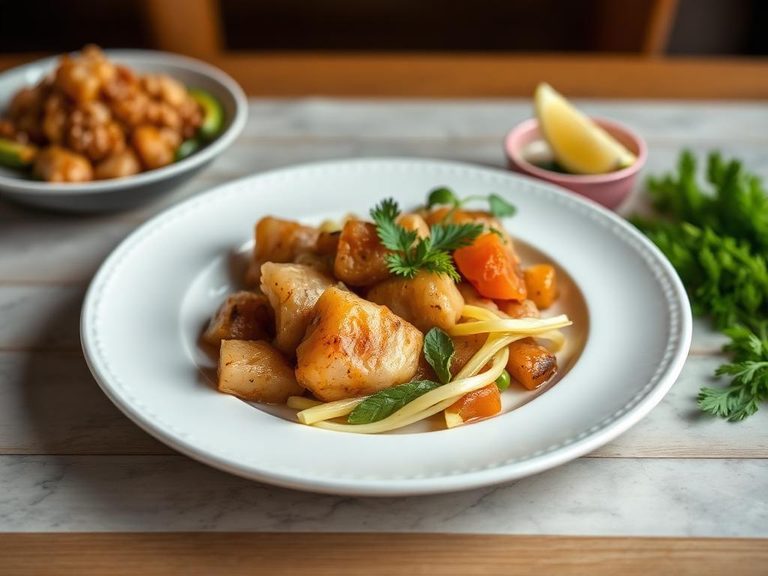
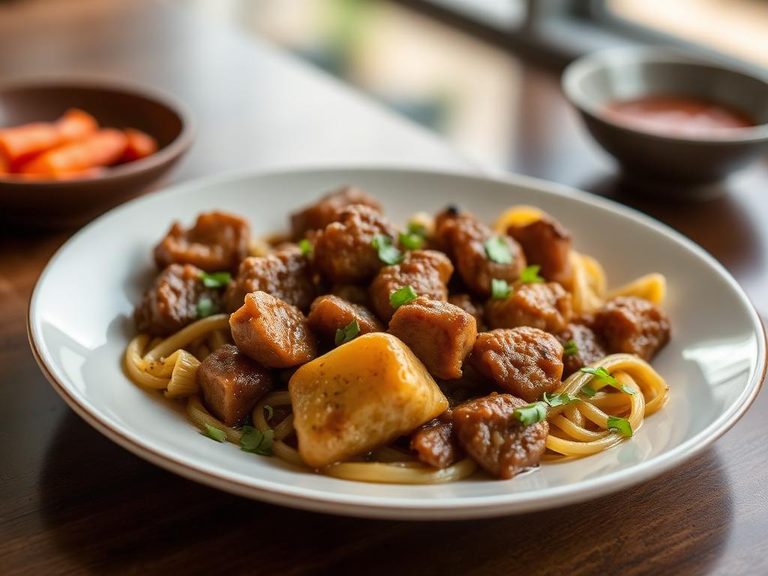
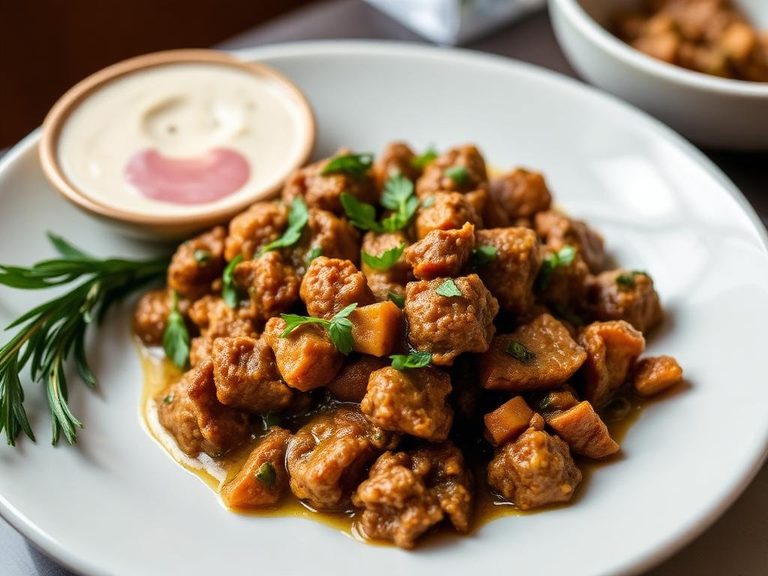
🍽️ Popular dishes
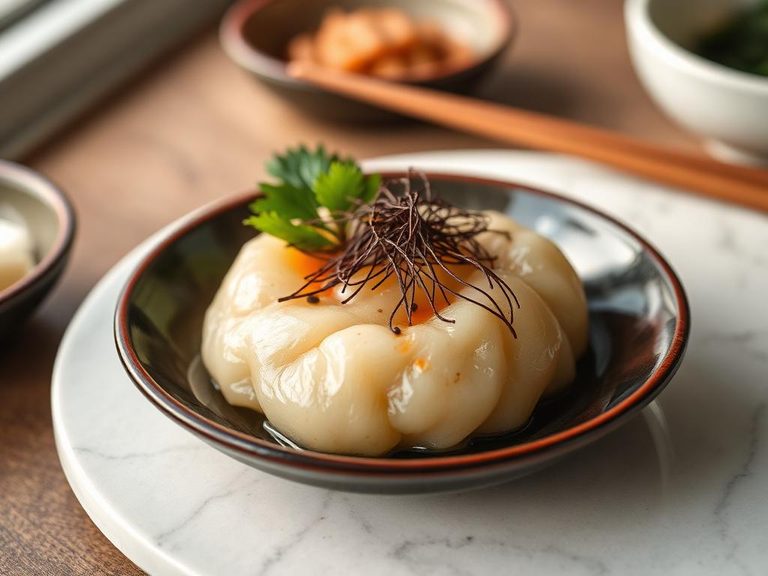
🌍 Where it's eaten
💡 Did you know?
Ancient Egyptians reportedly used jute leaves to make a soup that was a favorite of pharaohs, earning it the nickname 'the soup of kings.'
Full nutrition (USDA data · scales with serving)
| Water | 87.7 g |
| Energy | 34.0 kcal |
| Energy | 142 kj |
| Protein | 4.7 g |
| Total lipid (fat) | 0.25 g |
| Ash | 1.6 g |
| Carbohydrate, by difference | 5.8 g |
| Calcium, Ca | 208 mg |
| Iron, Fe | 4.8 mg |
| Magnesium, Mg | 64.0 mg |
| Phosphorus, P | 83.0 mg |
| Potassium, K | 559 mg |
| Sodium, Na | 8.0 mg |
| Zinc, Zn | 0.79 mg |
| Copper, Cu | 0.26 mg |
| Manganese, Mn | 0.12 mg |
| Selenium, Se | 0.90 ug |
| Vitamin C, total ascorbic acid | 37.0 mg |
| Thiamin | 0.13 mg |
| Riboflavin | 0.55 mg |
| Niacin | 1.3 mg |
| Pantothenic acid | 0.07 mg |
| Vitamin B-6 | 0.60 mg |
| Folate, total | 123 ug |
| Folic acid | 0.00 ug |
| Folate, food | 123 ug |
| Folate, DFE | 123 ug |
| Vitamin B-12 | 0.00 ug |
| Vitamin A, RAE | 278 ug |
| Retinol | 0.00 ug |
| Vitamin A, IU | 5559 iu |
| Vitamin D (D2 + D3), International Units | 0.00 iu |
| Vitamin D (D2 + D3) | 0.00 ug |
Fat & fatty acid profile (per 100g)
| Fatty acids, total saturated | 0.04 g |
| SFA 16:0 | 0.03 g |
| SFA 18:0 | 0.01 g |
| Fatty acids, total monounsaturated | 0.02 g |
| MUFA 16:1 | 0.00 g |
| MUFA 18:1 | 0.01 g |
| Fatty acids, total polyunsaturated | 0.12 g |
| PUFA 18:2 | 0.12 g |
| PUFA 18:3 | 0.00 g |
| Fatty acids, total trans | 0.00 g |
| Cholesterol | 0.00 mg |
Amino acid profile (per 100g)
| Tryptophan | 0.03 g |
| Threonine | 0.16 g |
| Isoleucine | 0.22 g |
| Leucine | 0.39 g |
| Lysine | 0.22 g |
| Methionine | 0.07 g |
| Cystine | 0.04 g |
| Phenylalanine | 0.21 g |
| Tyrosine | 0.15 g |
| Valine | 0.25 g |
| Arginine | 0.25 g |
| Histidine | 0.11 g |
| Alanine | 0.26 g |
| Aspartic acid | 0.57 g |
| Glutamic acid | 0.49 g |
| Glycine | 0.21 g |
| Proline | 0.25 g |
| Serine | 0.18 g |
FAQ
What does jute potherb taste like?
It has a mild, earthy flavor similar to spinach or green beans, but its defining characteristic is the mucilaginous (slimy) texture it develops when cooked, much like okra.
How do I reduce the sliminess when cooking?
Finely chopping or blending the leaves before cooking helps. Adding acidic ingredients like lemon juice, vinegar, or tomatoes during cooking also cuts the mucilage effectively.
Is jute potherb the same as spinach?
No, it is a different plant (Corchorus olitorius). While both are nutritious leafy greens, jute potherb has a unique texture and is a staple in different culinary traditions.
Nutrient density (calculated · NRF9.3)
Nutrient Rich Foods index: beneficial nutrients (protein, fiber, vitamins, minerals) minus saturated fat, added sugar & sodium, per 100 kcal.
NRF9.3 index — Fulgoni, Keast & Drewnowski, 2009. Computed from USDA nutrients.
Weight-loss friendliness (composite index)
Energy density 0.34 kcal/g · 55% calories from protein · 0.0 g fiber · 0.0 g sugar per 100 g.
Composite of energy density (Rolls et al., 1999), protein & fiber satiety, minus sugar. A calculated heuristic — ranks satiety-per-calorie, not a clinical measure.
Dietary load (calculated from USDA values)
Potential renal acid load. Positive = acid-forming, negative = alkaline-forming.
Sodium-to-potassium ratio: 0.01 (lower is better — aim for ≤ 1)
Sodium:potassium per WHO potassium guidance. Computed from USDA nutrients.