

Infant formula, ABBOTT NUTRITION, SIMILAC, SENSITIVE, (LACTOSE FREE), powder, with ARA and DHA
Whole food · Baby Foods

Photo: Wikipedia
This is a specialized infant formula powder designed for babies with lactose sensitivity, offering a gentle, easy-to-digest alternative to standard milk-based formulas. It has a fine, slightly sweet, milky powder texture that dissolves easily into water, creating a smooth, creamy liquid. Nutritionally, it's a powerhouse for growth, delivering a balanced mix of protein, fats, and carbohydrates, with added ARA and DHA to support brain and eye development.
Calorie split: 9% protein · 43% carbs · 49% fat
↓ Full nutrition💚 Why it's loved
Parents love it for its effectiveness in soothing fussy, gassy babies who struggle with regular formula, often seeing a noticeable improvement in comfort and digestion. It's also valued for its convenience and the peace of mind it provides, knowing their baby is getting essential nutrients without the discomfort of lactose.
⚠️ Watch-outs & how to enjoy it better
Some babies may still experience digestive upset or constipation due to other ingredients, and the high sugar content (55.67g per 100g) can be a concern for long-term dental health if not managed. To counteract, always follow preparation instructions precisely, avoid overfeeding, and consult a pediatrician if issues persist.
Key benefits
- Lactose-free for sensitive tummies
- Fortified with ARA & DHA for brain development
- Provides complete nutrition for infants
- Gentle on digestive systems
- Powder format for easy preparation and storage
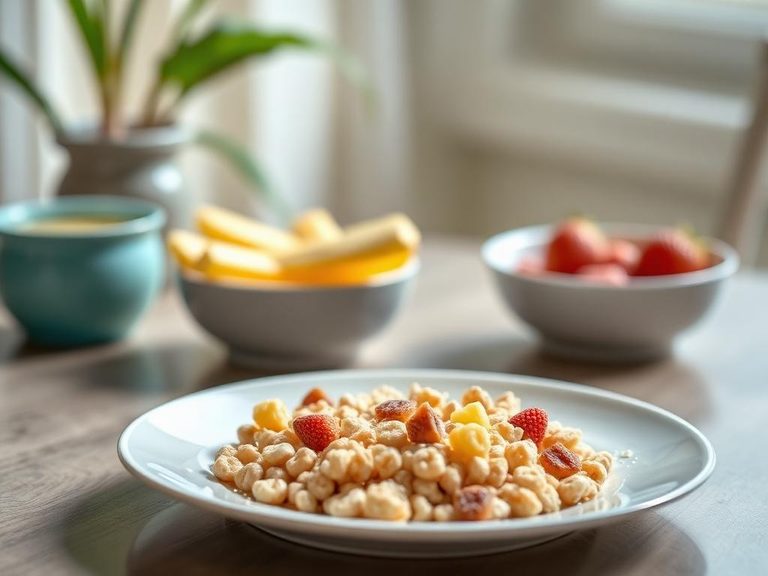
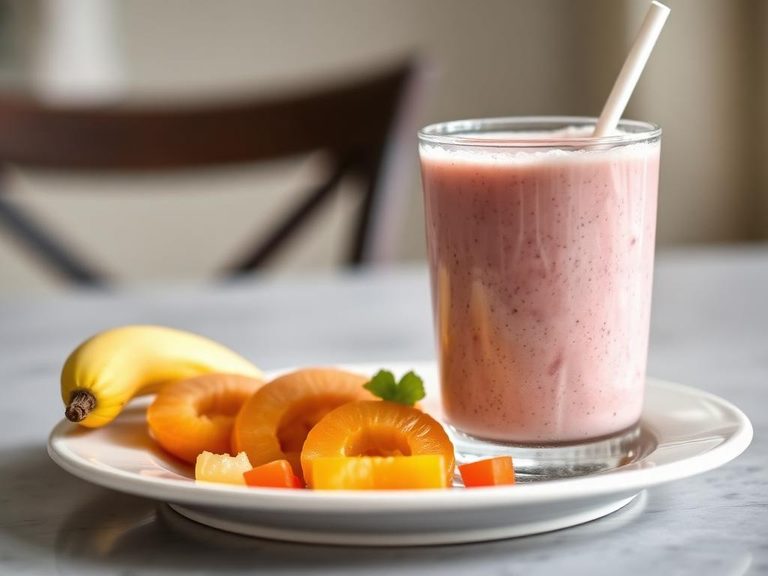
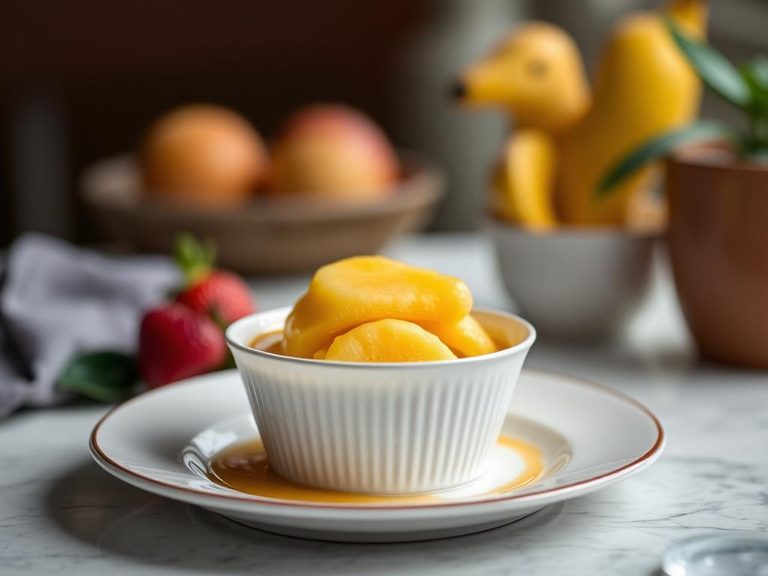
🍽️ Popular dishes



🌍 Where it's eaten
💡 Did you know?
The ARA and DHA in this formula are structurally identical to the fats found in human breast milk and are crucial for a baby's rapid brain growth during the first year of life.
Full nutrition (USDA data · scales with serving)
| Water | 2.2 g |
| Energy | 520 kcal |
| Energy | 2175 kj |
| Protein | 11.1 g |
| Total lipid (fat) | 28.1 g |
| Ash | 3.0 g |
| Carbohydrate, by difference | 55.7 g |
| Fiber, total dietary | 0.00 g |
| Total Sugars | 55.7 g |
| Calcium, Ca | 436 mg |
| Iron, Fe | 9.3 mg |
| Magnesium, Mg | 30.0 mg |
| Phosphorus, P | 293 mg |
| Potassium, K | 557 mg |
| Sodium, Na | 158 mg |
| Zinc, Zn | 3.9 mg |
| Copper, Cu | 0.45 mg |
| Manganese, Mn | 0.02 mg |
| Selenium, Se | 9.0 ug |
| Vitamin C, total ascorbic acid | 45.1 mg |
| Thiamin | 0.52 mg |
| Riboflavin | 0.78 mg |
| Niacin | 5.5 mg |
| Pantothenic acid | 2.3 mg |
| Vitamin B-6 | 0.32 mg |
| Folate, total | 75.0 ug |
| Folic acid | 75.0 ug |
| Folate, food | 0.00 ug |
| Folate, DFE | 128 ug |
| Choline, total | 83.5 mg |
| Vitamin B-12 | 1.3 ug |
| Vitamin B-12, added | 1.3 ug |
| Vitamin A, RAE | 468 ug |
| Retinol | 468 ug |
| Carotene, beta | 0.00 ug |
| Carotene, alpha | 0.00 ug |
| Cryptoxanthin, beta | 0.00 ug |
| Vitamin A, IU | 1559 iu |
| Lycopene | 0.00 ug |
| Lutein + zeaxanthin | 0.00 ug |
| Vitamin E (alpha-tocopherol) | 7.1 mg |
| Vitamin E, added | 7.1 mg |
| Vitamin D (D2 + D3), International Units | 369 iu |
| Vitamin D (D2 + D3) | 9.2 ug |
| Vitamin K (phylloquinone) | 41.4 ug |
| Alcohol, ethyl | 0.00 g |
| Caffeine | 0.00 mg |
| Theobromine | 0.00 mg |
Fat & fatty acid profile (per 100g)
| Fatty acids, total saturated | 18.3 g |
| SFA 4:0 | 0.00 g |
| SFA 6:0 | 0.09 g |
| SFA 8:0 | 7.8 g |
| SFA 10:0 | 4.3 g |
| SFA 12:0 | 2.5 g |
| SFA 14:0 | 1.1 g |
| SFA 16:0 | 1.7 g |
| SFA 18:0 | 0.82 g |
| Fatty acids, total monounsaturated | 2.9 g |
| MUFA 16:1 | 0.00 g |
| MUFA 18:1 | 2.9 g |
| MUFA 20:1 | 0.00 g |
| MUFA 22:1 | 0.00 g |
| Fatty acids, total polyunsaturated | 6.3 g |
| PUFA 18:2 | 5.5 g |
| PUFA 18:3 | 0.60 g |
| PUFA 18:4 | 0.00 g |
| PUFA 20:4 | 0.13 g |
| PUFA 20:5 n-3 (EPA) | 0.00 g |
| PUFA 22:5 n-3 (DPA) | 0.00 g |
| PUFA 22:6 n-3 (DHA) | 0.08 g |
| Cholesterol | 15.0 mg |
FAQ
What does 'lactose-free' mean for this formula?
It means the formula does not contain lactose, the sugar found in milk. Instead, it uses other carbohydrate sources like corn syrup solids, making it suitable for babies with lactose intolerance or sensitivity.
How does this formula differ from regular Similac?
This specific Similac Sensitive formula is designed for babies who have fussiness or gas due to lactose sensitivity, whereas regular Similac contains lactose and is for babies without such issues.
Is this formula suitable for long-term use?
Yes, it is a complete nutrition source for infants from birth through 12 months, but always consult with a pediatrician regarding your baby's specific needs and duration of use.
Nutrient density (calculated · NRF9.3)
Nutrient Rich Foods index: beneficial nutrients (protein, fiber, vitamins, minerals) minus saturated fat, added sugar & sodium, per 100 kcal.
NRF9.3 index — Fulgoni, Keast & Drewnowski, 2009. Computed from USDA nutrients.
Weight-loss friendliness (composite index)
Energy density 5.20 kcal/g · 9% calories from protein · 0.0 g fiber · 55.7 g sugar per 100 g.
Composite of energy density (Rolls et al., 1999), protein & fiber satiety, minus sugar. A calculated heuristic — ranks satiety-per-calorie, not a clinical measure.
Dietary load (calculated from USDA values)
Potential renal acid load. Positive = acid-forming, negative = alkaline-forming.
Sodium-to-potassium ratio: 0.28 (lower is better — aim for ≤ 1)
Sodium:potassium per WHO potassium guidance. Computed from USDA nutrients.