

Infant Cereal
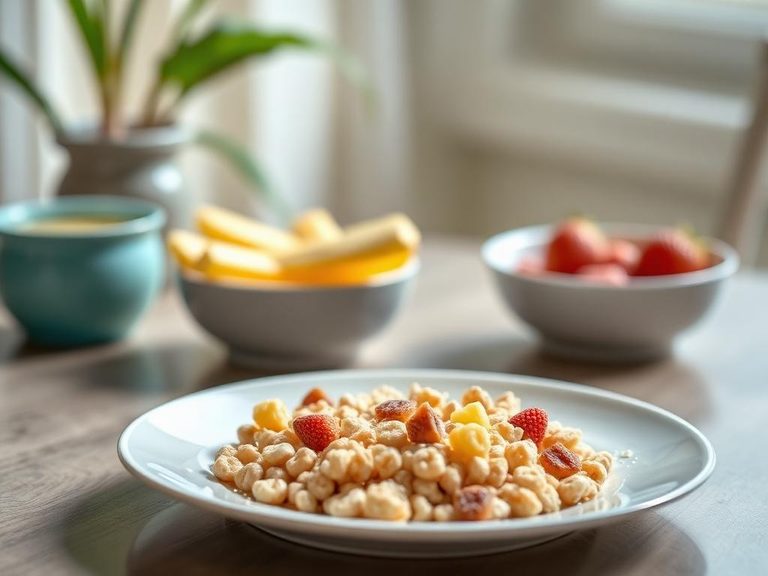
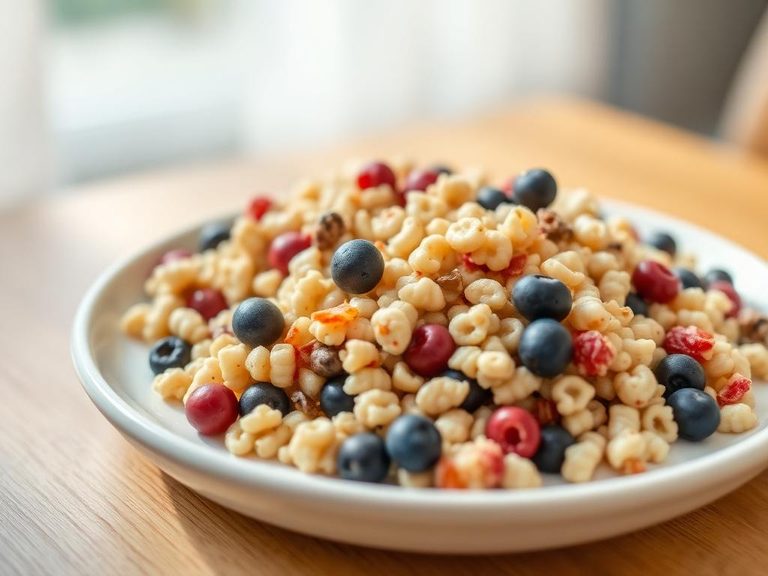
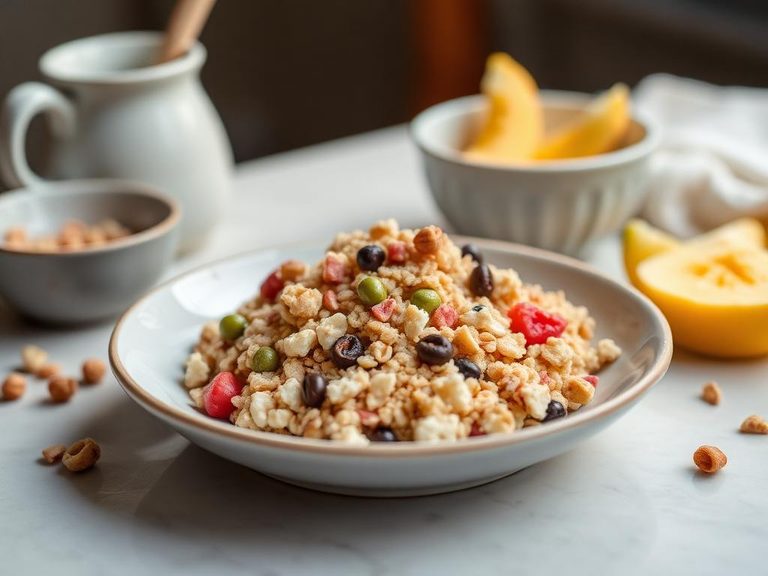
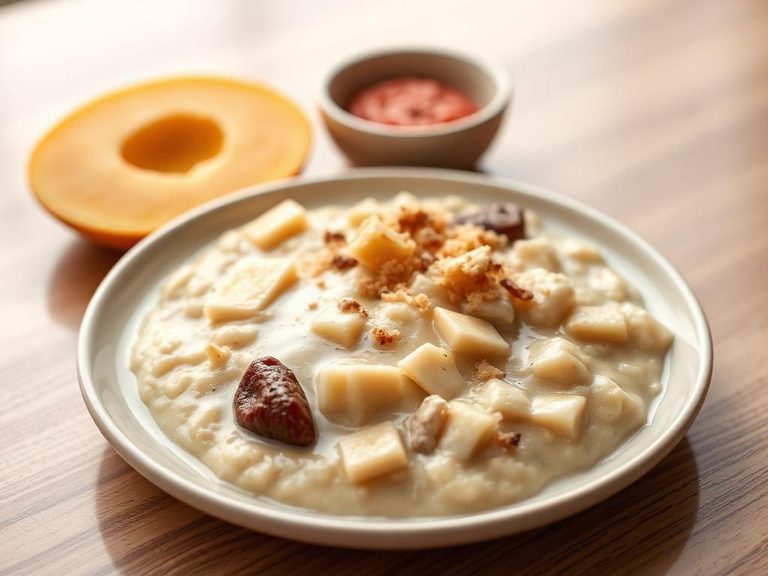
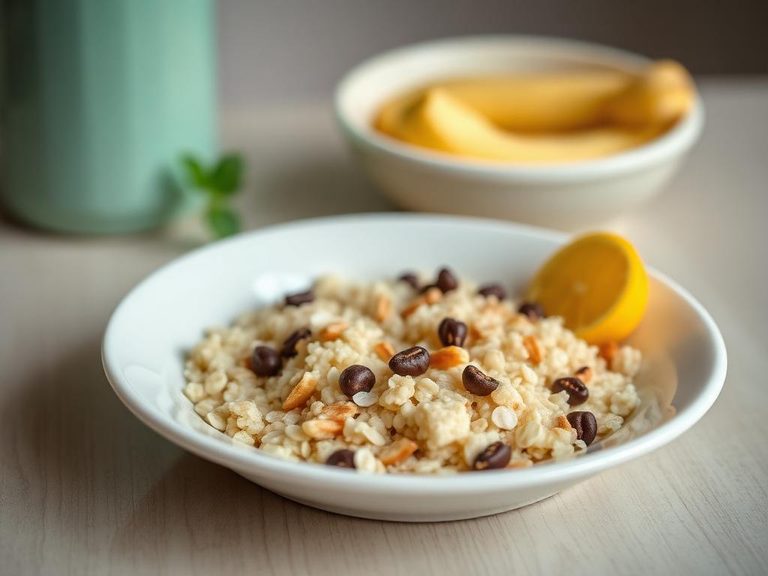
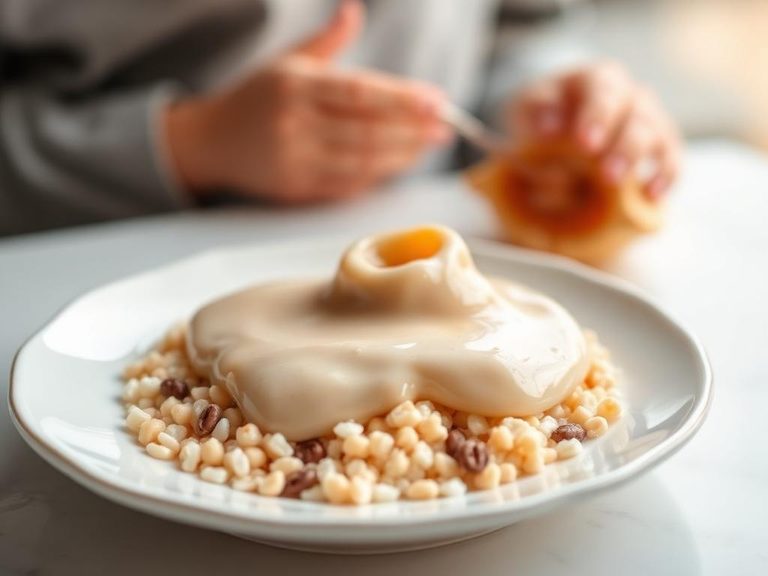
Infant cereal is a foundational first food for babies, typically introduced around 6 months of age. It is made from finely milled grains like rice, oats, or barley, often fortified with iron, and is designed to have a smooth, easily digestible texture when mixed with breast milk, formula, or water.
🍳 View the full Infant Cereal recipe →
🍽️ Nutrition at a glance
This food is primarily a source of carbohydrates for energy and is a crucial vehicle for delivering iron, a nutrient essential for a baby's developing brain and blood. A typical dry serving contains about 100-110 calories.
Nutrition breakdown
| Calories | 105 kcal |
| Protein | 2 g |
| Carbs | 22 g |
| Fat | 0.5 g |
| Fiber | 1 g |
| Sugar | 0 g |
| Sodium | 20 mg |
| Iron | 10 mg |
| Zinc | 3 mg |
| Thiamin (B1) | 0.3 mg |
| Niacin (B3) | 4 mg |
| Vitamin B6 | 0.3 mg |
| Folic Acid | 50 mcg |
| Potassium | 100 mg |
| Calcium | 100 mg |
Per 1 dry serving (about 15 g) · estimated, varies by recipe
💡 What's interesting
Culturally, infant cereal represents a major milestone in a child's development, symbolizing the transition from an exclusive milk diet. Nutritionally, its unique role is as an iron-delivery system, as a baby's natural iron stores begin to deplete around 6 months.
🍽️ Related dishes
AI estimate may be inaccurate · Terms