

Baby Pudding
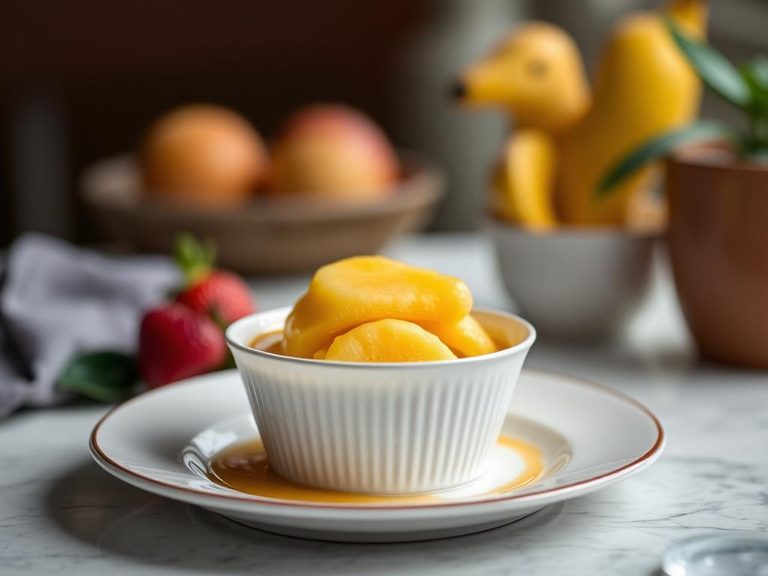
Baby Pudding is a creamy, custard-like dessert popular in various Asian cuisines, particularly in Southeast Asia and parts of China. It is typically made from eggs, milk or coconut milk, sugar, and sometimes flavored with pandan leaf or vanilla. The dish is known for its smooth, delicate texture and is often served chilled as a light, sweet treat.
🍳 View the full Baby Pudding recipe →
🍽️ Nutrition at a glance
Baby Pudding is primarily a source of carbohydrates from sugar and some protein from eggs and milk, with a moderate fat content depending on the use of coconut milk. A typical serving provides calcium and some B vitamins, with a calorie range of approximately 150-250 kcal.
Nutrition breakdown
| Calories | 200 kcal |
| Protein | 5 g |
| Carbs | 25 g |
| Fat | 10 g |
| Fiber | 0 g |
| Sugar | 20 g |
| Sodium | 80 mg |
| Calcium | 120 mg |
| Vitamin A | 150 IU |
| Vitamin D | 1.5 mcg |
| Riboflavin (B2) | 0.15 mg |
| Phosphorus | 100 mg |
| Selenium | 6 mcg |
| Potassium | 150 mg |
| Choline | 30 mg |
Per 1 cup (200 g) · estimated, varies by recipe
💡 What's interesting
What makes Baby Pudding culturally unique is its adaptation across regions—like 'Srikaya' in Indonesia or 'Thermal Egg Pudding' in Taiwan—often reflecting local ingredients like pandan or coconut. Nutritionally, it offers a balance of quick energy from sugars and sustained energy from fats, making it a comforting yet nourishing snack.
🍽️ Related dishes
AI estimate may be inaccurate · Terms