

Homemade Baby Food
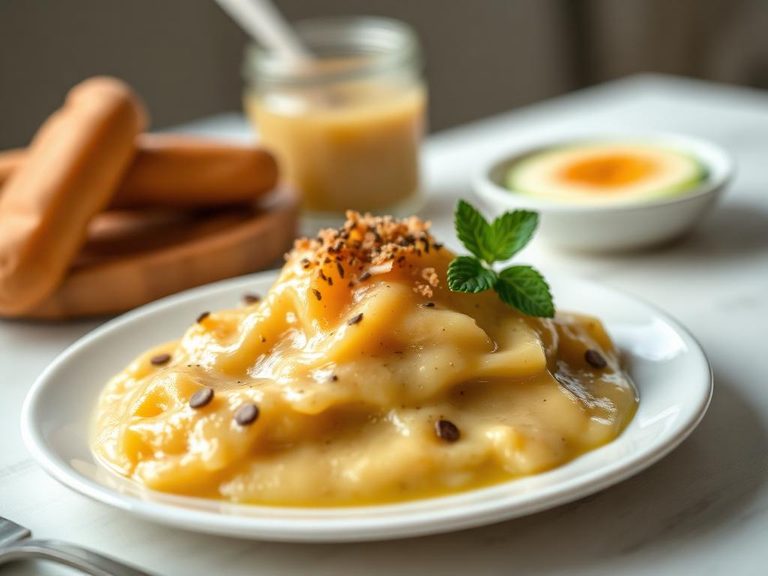
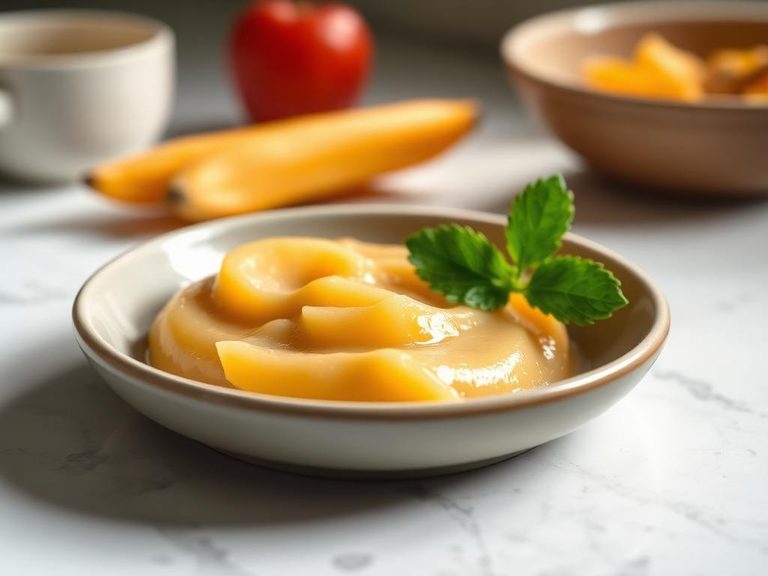
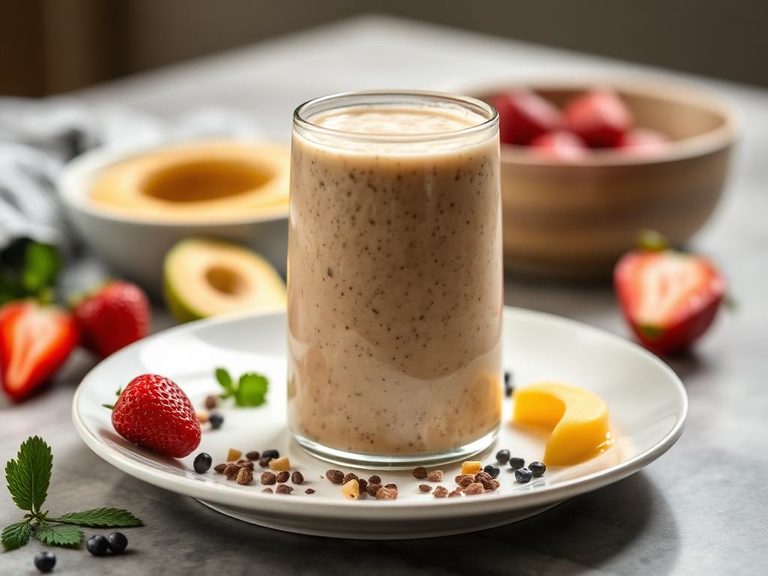
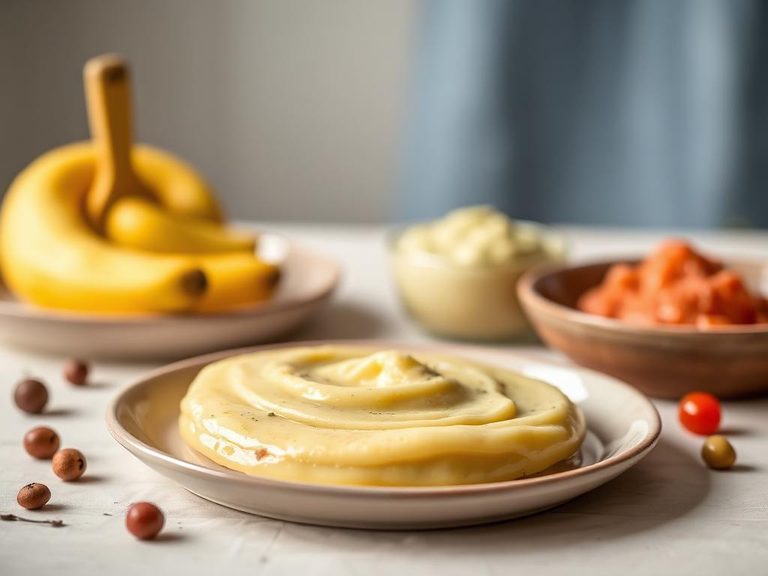
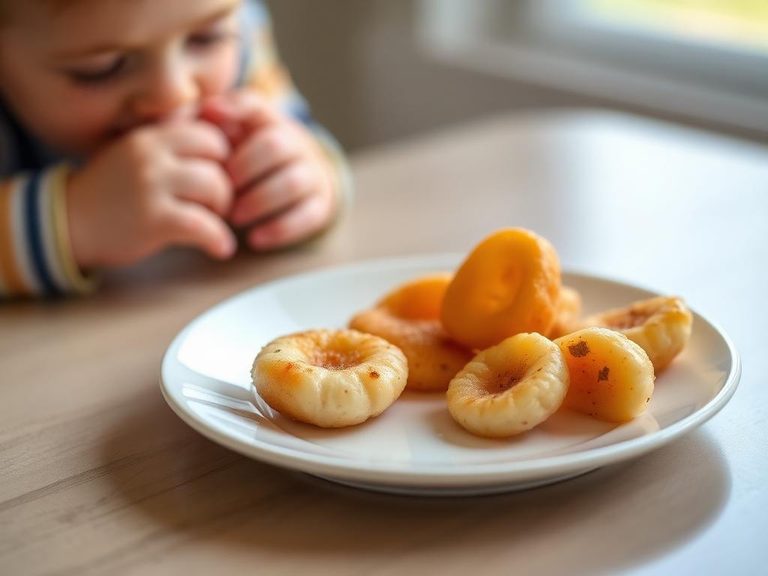
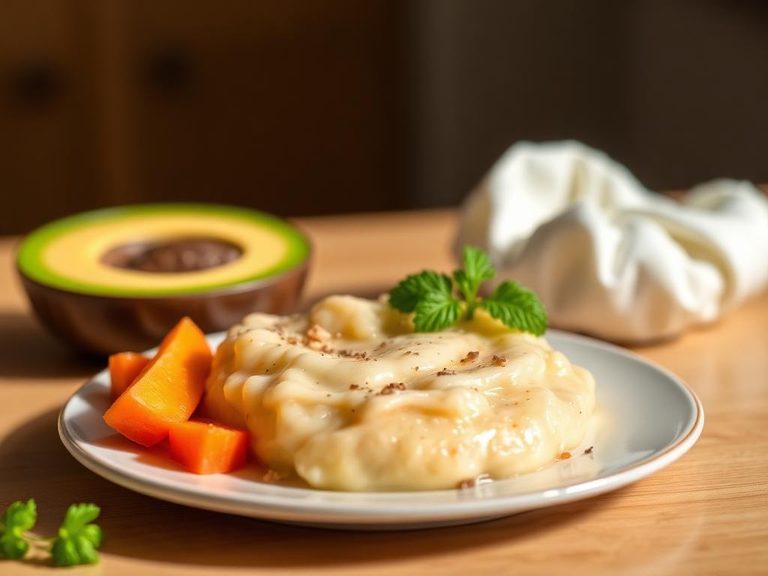
Homemade baby food is a broad category of soft, pureed, or mashed foods prepared at home for infants transitioning to solid foods, typically from 6 months of age. It usually consists of single-ingredient or simple combinations of fruits, vegetables, grains, and proteins, and is a global practice with variations based on local dietary staples.
🍽️ Nutrition at a glance
It is generally balanced, with a focus on easily digestible carbohydrates from fruits and grains, and can be adjusted for protein and healthy fats. Key nutrients include iron, zinc, and various vitamins, with a typical serving (e.g., a small jar) ranging from 60 to 120 kcal.
Nutrition breakdown
| Calories | 80 kcal |
| Protein | 1.5 g |
| Carbs | 15 g |
| Fat | 1 g |
| Fiber | 2 g |
| Sugar | 8 g |
| Sodium | 10 mg |
| Vitamin A | 90 mcg RAE |
| Vitamin C | 15 mg |
| Iron | 1.2 mg |
| Calcium | 20 mg |
| Potassium | 180 mg |
| Zinc | 0.5 mg |
| Vitamin B6 | 0.1 mg |
| Folate | 25 mcg DFE |
Per 1 small jar (113 g) · estimated, varies by recipe
💡 What's interesting
Culturally, it reflects the first foods of a region, such as rice porridge in Asia or avocado in the Americas. Nutritionally, it's unique as it's often the first exposure to flavors and textures, shaping lifelong eating habits.
🍽️ Related dishes
AI estimate may be inaccurate · Terms