

Hyacinth beans, mature seeds, raw
Whole food · Legumes and Legume Products

Photo: Wikipedia
Hyacinth beans, also known as lablab or val papdi, are large, flat, kidney-shaped seeds with a distinctive creamy-white color and a prominent dark hilum. When raw, they have a firm, starchy texture and a mildly earthy, slightly nutty flavor that transforms into a tender, meaty bite when cooked. Nutritionally, they are a powerhouse, delivering an exceptional 25.6g of fiber per 100g—over 90% of the daily value—alongside a solid 23.9g of plant-based protein.
Calorie split: 27% protein · 69% carbs · 4% fat
↓ Full nutrition💚 Why it's loved
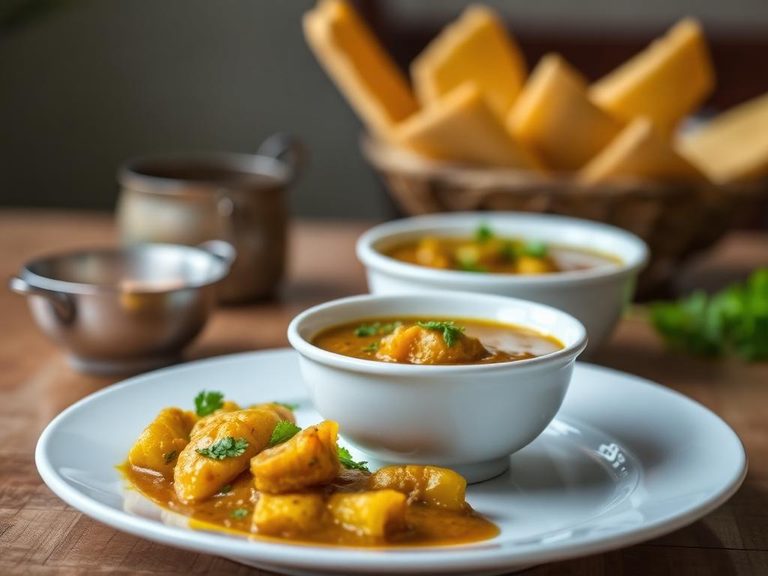
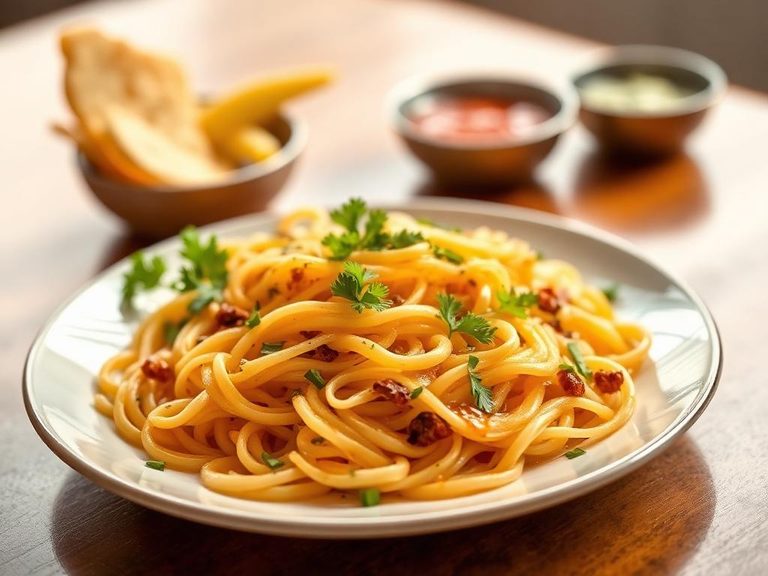
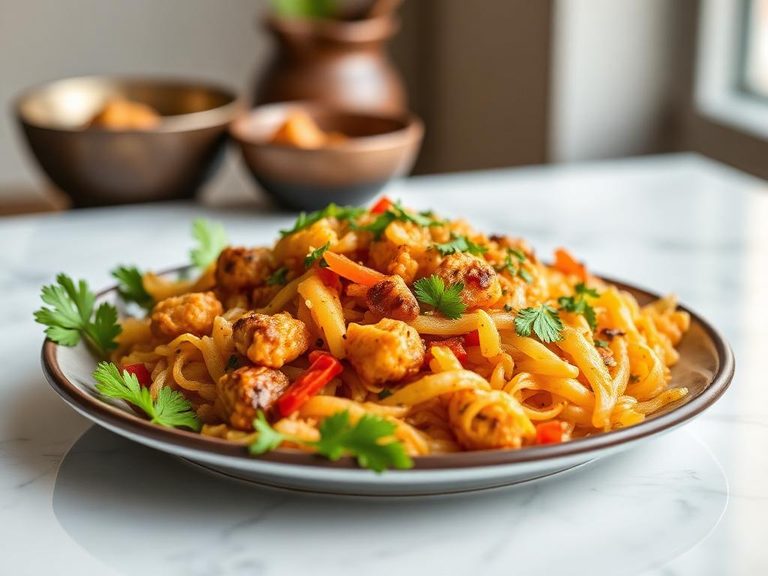
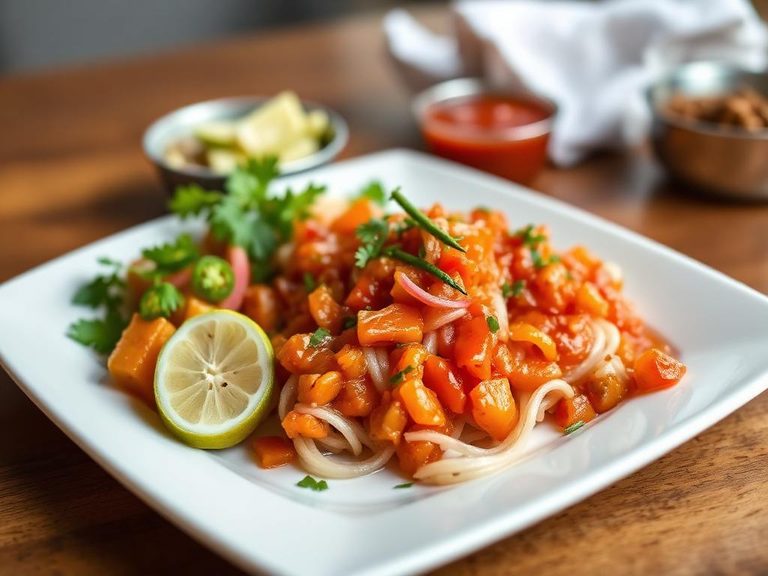
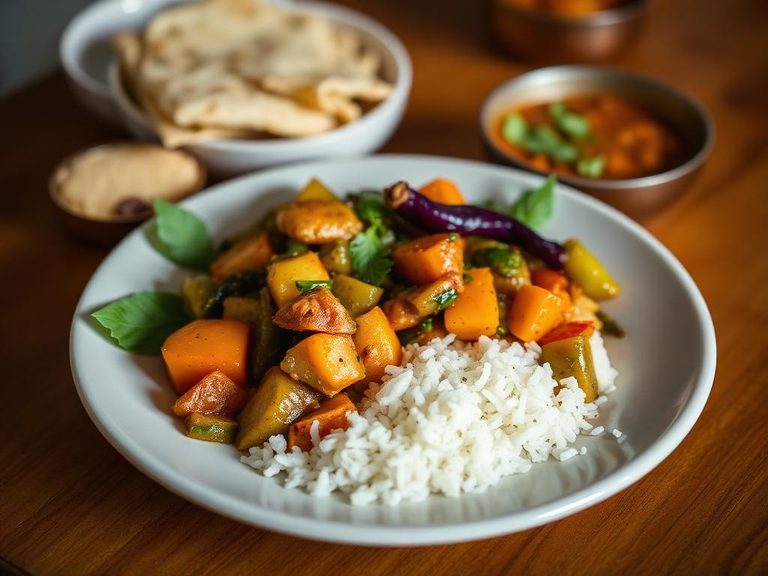
People love hyacinth beans for their hearty, satisfying texture that absorbs spices beautifully, making them a versatile canvas for bold curries, stews, and stir-fries. They are deeply embedded in South Asian culinary traditions, often celebrated in regional dishes and home-cooked comfort meals.
⚠️ Watch-outs & how to enjoy it better
Raw or undercooked hyacinth beans contain lectins (hemagglutinins), which can cause digestive upset; they must be thoroughly boiled or pressure-cooked. Their high fiber content can also cause bloating in sensitive individuals, so it's wise to increase intake gradually and ensure adequate water consumption.
Key benefits
- Exceptionally high in dietary fiber for digestive health
- Rich source of plant-based protein
- Very low in fat and contains no sugar
- Provides essential minerals like iron and folate
- A staple in vegetarian diets for complete nutrition
🍽️ Popular dishes
🌍 Where it's eaten
💡 Did you know?
Despite its common name, the hyacinth bean is not related to the hyacinth flower; its name comes from the Latin genus *Lablab*, which was derived from an Arabic word for a type of pulse.
Full nutrition (USDA data · scales with serving)
| Water | 9.4 g |
| Energy | 344 kcal |
| Energy | 1441 kj |
| Protein | 23.9 g |
| Total lipid (fat) | 1.7 g |
| Ash | 4.3 g |
| Carbohydrate, by difference | 60.7 g |
| Fiber, total dietary | 25.6 g |
| Calcium, Ca | 130 mg |
| Iron, Fe | 5.1 mg |
| Magnesium, Mg | 283 mg |
| Phosphorus, P | 372 mg |
| Potassium, K | 1235 mg |
| Sodium, Na | 21.0 mg |
| Zinc, Zn | 9.3 mg |
| Copper, Cu | 1.3 mg |
| Manganese, Mn | 1.6 mg |
| Selenium, Se | 8.2 ug |
| Vitamin C, total ascorbic acid | 0.00 mg |
| Thiamin | 1.1 mg |
| Riboflavin | 0.14 mg |
| Niacin | 1.6 mg |
| Pantothenic acid | 1.2 mg |
| Vitamin B-6 | 0.15 mg |
| Folate, total | 23.0 ug |
| Folic acid | 0.00 ug |
| Folate, food | 23.0 ug |
| Folate, DFE | 23.0 ug |
| Vitamin B-12 | 0.00 ug |
| Vitamin A, RAE | 0.00 ug |
| Retinol | 0.00 ug |
| Carotene, beta | 0.00 ug |
| Carotene, alpha | 0.00 ug |
| Cryptoxanthin, beta | 0.00 ug |
| Vitamin A, IU | 0.00 iu |
| Lycopene | 0.00 ug |
| Lutein + zeaxanthin | 0.00 ug |
| Vitamin D (D2 + D3), International Units | 0.00 iu |
| Vitamin D (D2 + D3) | 0.00 ug |
| Alcohol, ethyl | 0.00 g |
| Caffeine | 0.00 mg |
| Theobromine | 0.00 mg |
Fat & fatty acid profile (per 100g)
| Fatty acids, total saturated | 0.29 g |
| Fatty acids, total monounsaturated | 0.08 g |
| MUFA 18:1 | 0.08 g |
| Fatty acids, total polyunsaturated | 0.71 g |
| PUFA 18:2 | 0.71 g |
| Fatty acids, total trans | 0.00 g |
| Cholesterol | 0.00 mg |
Amino acid profile (per 100g)
| Tryptophan | 0.20 g |
| Threonine | 0.93 g |
| Isoleucine | 1.1 g |
| Leucine | 2.0 g |
| Lysine | 1.6 g |
| Methionine | 0.19 g |
| Cystine | 0.28 g |
| Phenylalanine | 1.2 g |
| Tyrosine | 0.85 g |
| Valine | 1.2 g |
| Arginine | 1.8 g |
| Histidine | 0.68 g |
| Alanine | 1.1 g |
| Aspartic acid | 2.8 g |
| Glutamic acid | 3.9 g |
| Glycine | 1.0 g |
| Proline | 1.2 g |
| Serine | 1.3 g |
FAQ
Are hyacinth beans the same as lima beans?
No, they are different. Hyacinth beans (Lablab purpureus) are flatter, larger, and have a more prominent seed eye than lima beans (Phaseolus lunatus). They belong to different plant genera.
Do I need to soak hyacinth beans before cooking?
Yes, for dried hyacinth beans, soaking overnight (8-12 hours) is recommended. It reduces cooking time, improves digestibility, and helps ensure any natural compounds are properly deactivated by thorough boiling.
Can I eat hyacinth beans raw?
No. Raw hyacinth beans, like many legumes, contain lectins that are toxic. They must be cooked thoroughly—boiled for at least 10-15 minutes or pressure-cooked—until they are completely tender to be safe for consumption.
Nutrient density (calculated · NRF9.3)
Nutrient Rich Foods index: beneficial nutrients (protein, fiber, vitamins, minerals) minus saturated fat, added sugar & sodium, per 100 kcal.
NRF9.3 index — Fulgoni, Keast & Drewnowski, 2009. Computed from USDA nutrients.
Weight-loss friendliness (composite index)
Energy density 3.44 kcal/g · 28% calories from protein · 25.6 g fiber · 0.0 g sugar per 100 g.
Composite of energy density (Rolls et al., 1999), protein & fiber satiety, minus sugar. A calculated heuristic — ranks satiety-per-calorie, not a clinical measure.
Dietary load (calculated from USDA values)
Potential renal acid load. Positive = acid-forming, negative = alkaline-forming.
Sodium-to-potassium ratio: 0.02 (lower is better — aim for ≤ 1)
Sodium:potassium per WHO potassium guidance. Computed from USDA nutrients.