

Clams, canned
Common food
Canned clams are tender, briny mollusks preserved in their own liquor, offering a convenient taste of the ocean. Their texture is pleasantly chewy yet soft, with a distinct savory-sweet, saline flavor. Nutritionally, they are a powerhouse of lean protein with minimal fat and carbohydrates.
Calorie split: 72% protein · 17% carbs · 11% fat
↓ Full nutrition💚 Why it's loved
People love canned clams for their intense, concentrated oceanic flavor that instantly elevates pasta sauces, chowders, and dips. Their incredible versatility and long shelf life make a luxurious ingredient accessible for quick weeknight meals.
⚠️ Watch-outs & how to enjoy it better
Canned clams can be high in sodium, which may be a concern for those monitoring blood pressure. They are also a common shellfish allergen. To manage sodium, rinse them briefly under cold water before use and pair with potassium-rich vegetables like spinach or tomatoes to help balance electrolytes.
Key benefits
- Excellent source of high-quality protein (18g per 100g).
- Very low in fat and calories, supporting weight management.
- Rich in essential minerals like iron, zinc, and selenium.
- Provides a good amount of vitamin B12 for nerve and blood health.
- Convenient, shelf-stable source of seafood with long storage life.
🍽️ Popular dishes
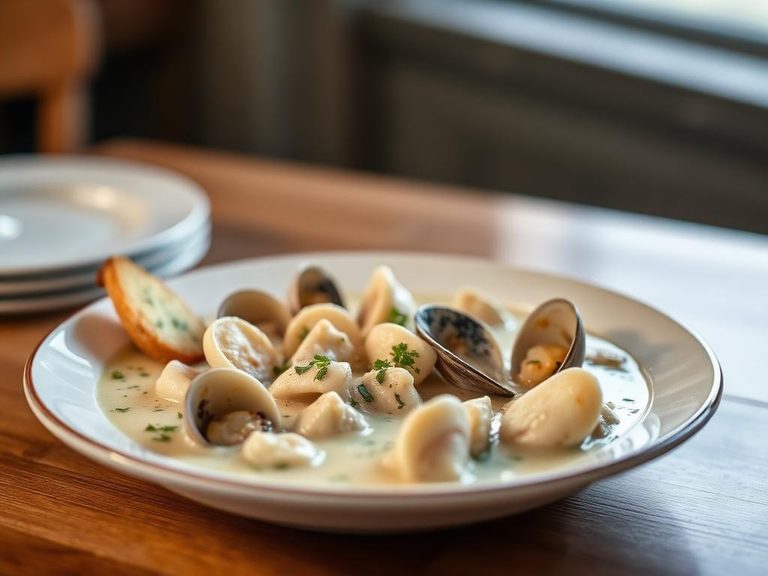
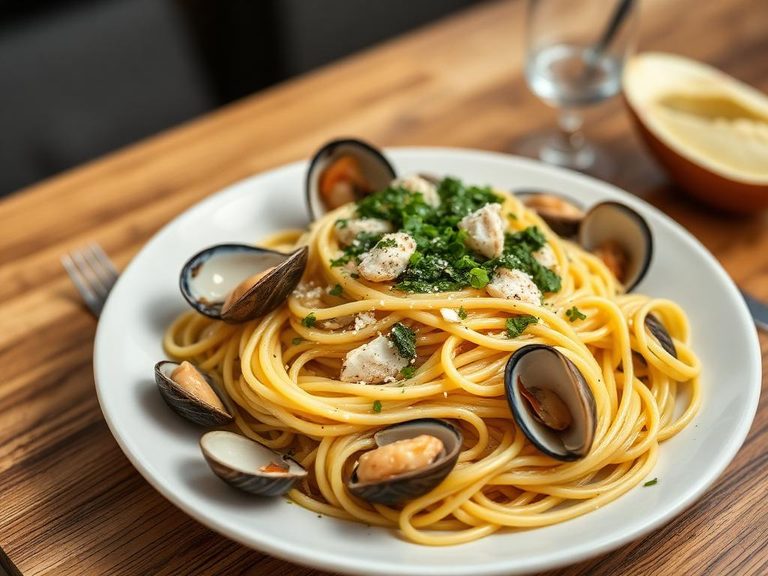
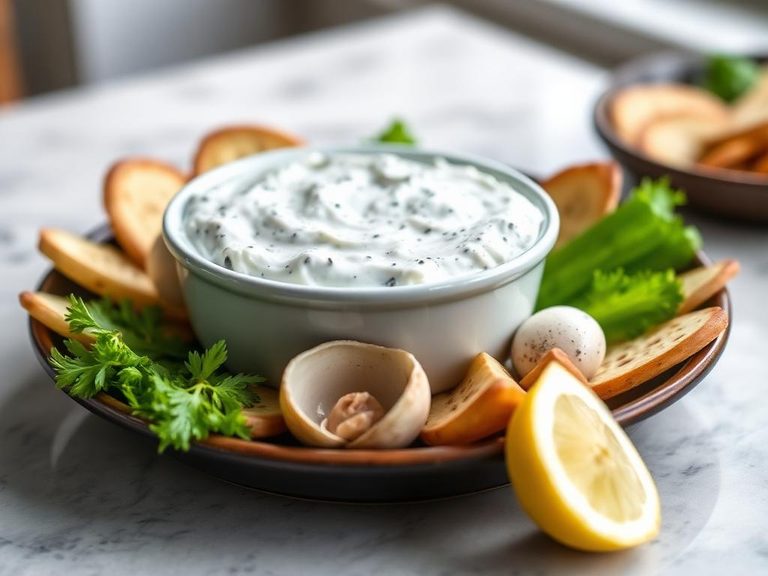
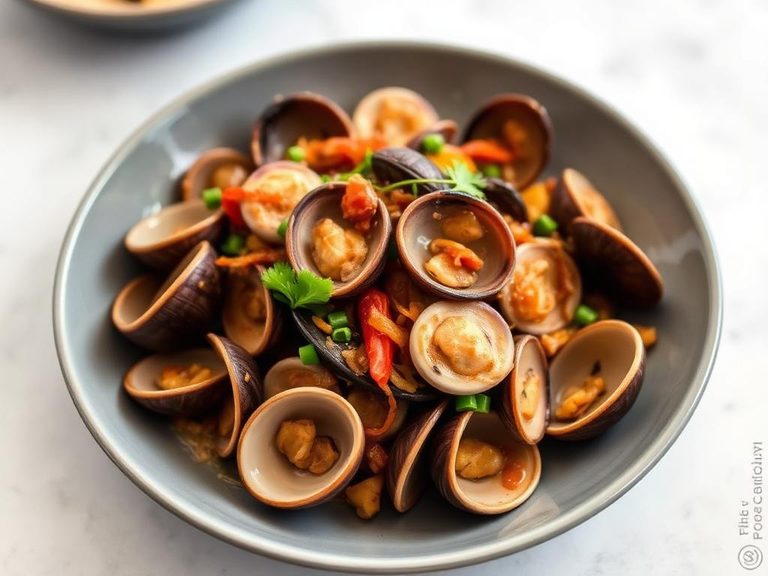
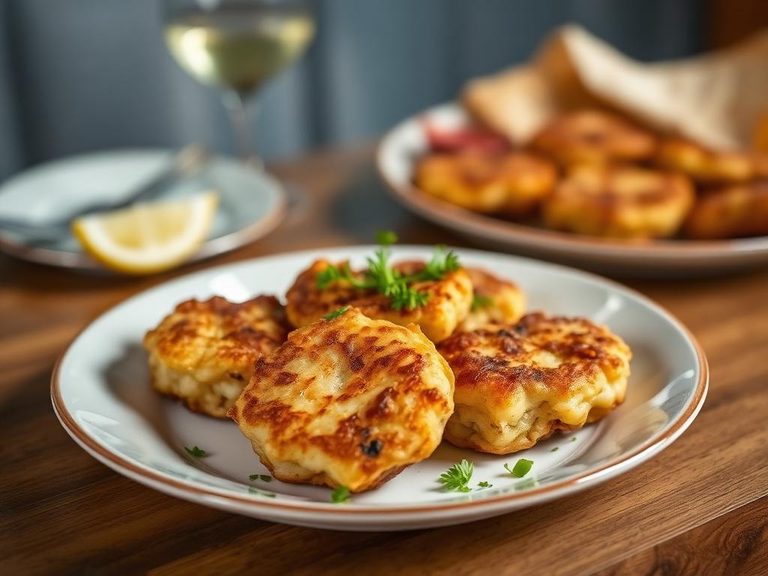
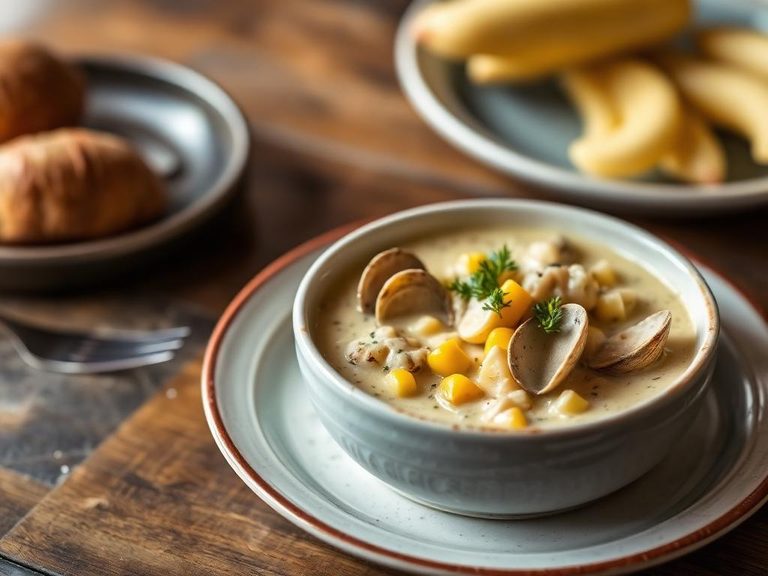
🌍 Where it's eaten
💡 Did you know?
The liquor (the canning liquid) is essentially a natural, potent clam stock and is often considered the most flavorful part of the can, used by chefs to deepen the taste of sauces and soups.
Full nutrition (USDA data · scales with serving)
| Water | 73.7 g |
| Energy | 108 kcal |
| Protein | 18.3 g |
| Total lipid (fat) | 1.2 g |
| Carbohydrate, by difference | 4.5 g |
| Fiber, total dietary | 0.00 g |
| Total Sugars | 0.00 g |
| Calcium, Ca | 49.0 mg |
| Iron, Fe | 1.8 mg |
| Magnesium, Mg | 24.0 mg |
| Phosphorus, P | 186 mg |
| Potassium, K | 52.0 mg |
| Sodium, Na | 70.0 mg |
| Zinc, Zn | 0.64 mg |
| Copper, Cu | 0.06 mg |
| Selenium, Se | 38.2 ug |
| Vitamin C, total ascorbic acid | 0.00 mg |
| Thiamin | 0.02 mg |
| Riboflavin | 0.05 mg |
| Niacin | 0.39 mg |
| Vitamin B-6 | 0.01 mg |
| Folate, total | 5.0 ug |
| Folic acid | 0.00 ug |
| Folate, food | 5.0 ug |
| Folate, DFE | 5.0 ug |
| Choline, total | 81.2 mg |
| Vitamin B-12 | 12.7 ug |
| Vitamin B-12, added | 0.00 ug |
| Vitamin A, RAE | 101 ug |
| Retinol | 101 ug |
| Carotene, beta | 0.00 ug |
| Carotene, alpha | 0.00 ug |
| Cryptoxanthin, beta | 0.00 ug |
| Lycopene | 0.00 ug |
| Lutein + zeaxanthin | 0.00 ug |
| Vitamin E (alpha-tocopherol) | 0.85 mg |
| Vitamin E, added | 0.00 mg |
| Vitamin D (D2 + D3) | 0.00 ug |
| Vitamin K (phylloquinone) | 0.20 ug |
| Alcohol, ethyl | 0.00 g |
| Caffeine | 0.00 mg |
| Theobromine | 0.00 mg |
Fat & fatty acid profile (per 100g)
| Fatty acids, total saturated | 0.23 g |
| SFA 4:0 | 0.00 g |
| SFA 6:0 | 0.00 g |
| SFA 8:0 | 0.00 g |
| SFA 10:0 | 0.00 g |
| SFA 12:0 | 0.01 g |
| SFA 14:0 | 0.01 g |
| SFA 16:0 | 0.14 g |
| SFA 18:0 | 0.06 g |
| Fatty acids, total monounsaturated | 0.15 g |
| MUFA 16:1 | 0.03 g |
| MUFA 18:1 | 0.07 g |
| MUFA 20:1 | 0.01 g |
| MUFA 22:1 | 0.00 g |
| Fatty acids, total polyunsaturated | 0.24 g |
| PUFA 18:2 | 0.05 g |
| PUFA 18:3 | 0.02 g |
| PUFA 18:4 | 0.00 g |
| PUFA 20:4 | 0.01 g |
| PUFA 20:5 n-3 (EPA) | 0.05 g |
| PUFA 22:5 n-3 (DPA) | 0.01 g |
| PUFA 22:6 n-3 (DHA) | 0.08 g |
| Cholesterol | 38.0 mg |
FAQ
Do I need to cook canned clams?
No, they are fully cooked during the canning process. They are ready to eat straight from the can and are typically added at the end of cooking just to heat through.
What's the difference between chopped, minced, and whole baby clams?
Chopped and minced refer to the size of the clam meat pieces, with minced being finer. Whole baby clams are small, intact clams. The choice is mainly about texture preference for your dish.
Can I use the clam juice from the can?
Absolutely. It's a concentrated, salty seafood broth perfect for enriching chowders, pasta sauces, and risottos. You can also drink it straight as a savory tonic.
Nutrient density (calculated · NRF9.3)
Nutrient Rich Foods index: beneficial nutrients (protein, fiber, vitamins, minerals) minus saturated fat, added sugar & sodium, per 100 kcal.
NRF9.3 index — Fulgoni, Keast & Drewnowski, 2009. Computed from USDA nutrients.
Weight-loss friendliness (composite index)
Energy density 1.08 kcal/g · 68% calories from protein · 0.0 g fiber · 0.0 g sugar per 100 g.
Composite of energy density (Rolls et al., 1999), protein & fiber satiety, minus sugar. A calculated heuristic — ranks satiety-per-calorie, not a clinical measure.
Dietary load (calculated from USDA values)
Potential renal acid load. Positive = acid-forming, negative = alkaline-forming.
Sodium-to-potassium ratio: 1.35 (lower is better — aim for ≤ 1)
Sodium:potassium per WHO potassium guidance. Computed from USDA nutrients.