

Beans, yellow, mature seeds, raw
Whole food · Legumes and Legume Products

Photo: Wikipedia
These are the dried, mature seeds of the yellow wax bean, a variety of common bean (Phaseolus vulgaris). They have a mild, nutty flavor and a firm, creamy texture when cooked. Nutritionally, they are a powerhouse, delivering an impressive 22 grams of protein and over 25 grams of fiber per 100g serving.
Calorie split: 25% protein · 69% carbs · 7% fat
↓ Full nutrition💚 Why it's loved
People love yellow beans for their satisfying, hearty texture and ability to absorb flavors in soups, stews, and salads. They are a cultural staple in many cuisines, valued for their affordability and nutritional density.
⚠️ Watch-outs & how to enjoy it better
They contain oligosaccharides that can cause gas and bloating in some individuals. To minimize this, soak dried beans for at least 8 hours, discard the soaking water, and cook them thoroughly. They also contain lectins, which are destroyed by proper boiling.
Key benefits
- Excellent source of plant-based protein for muscle maintenance.
- Extremely high in dietary fiber, promoting digestive health and satiety.
- Rich in complex carbohydrates for sustained energy release.
- Good source of essential minerals like iron, magnesium, and potassium.
- Naturally low in fat and contains no sugar.
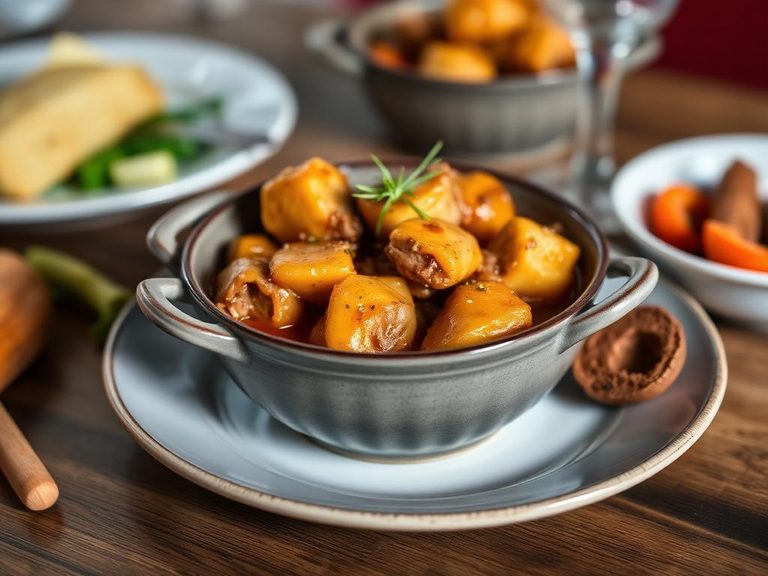
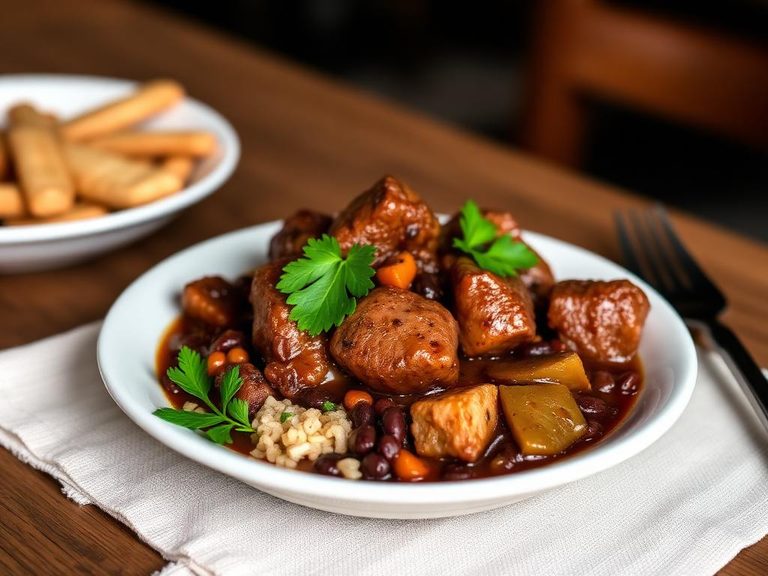
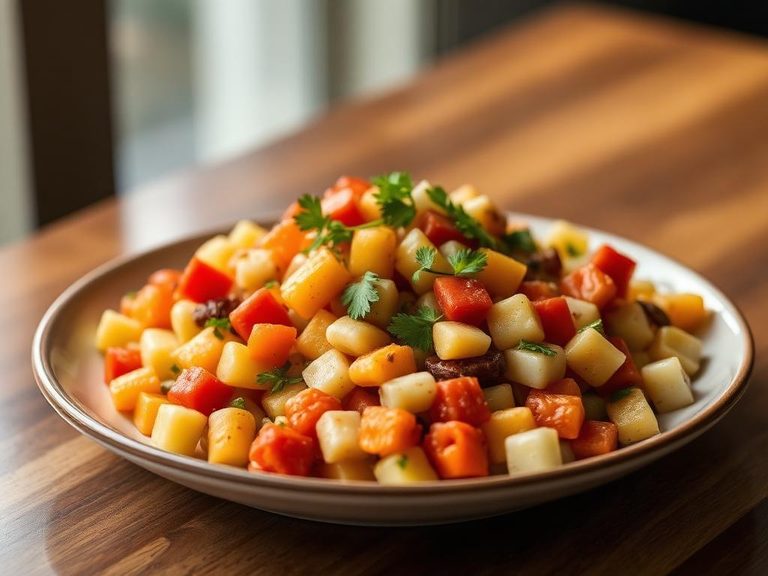
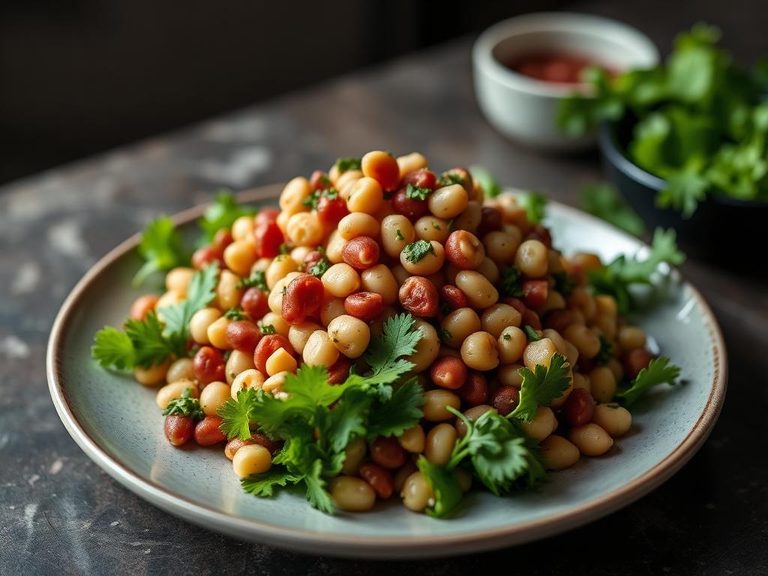
🍽️ Popular dishes
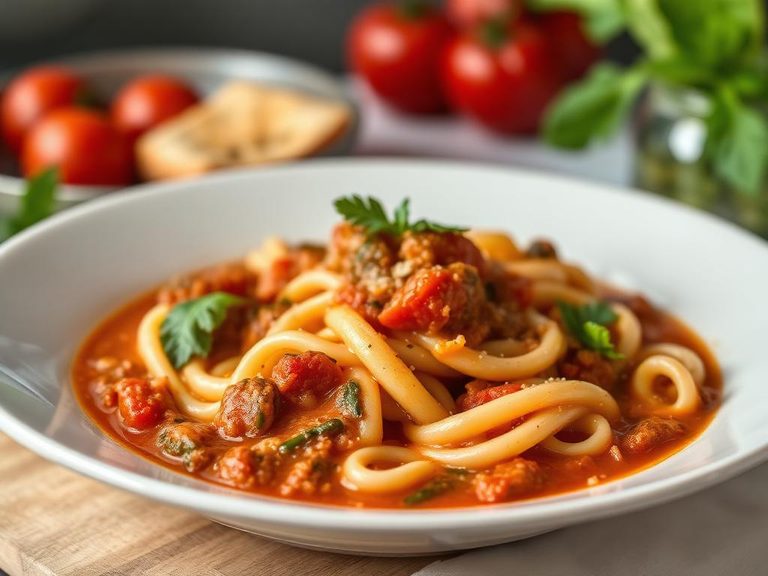
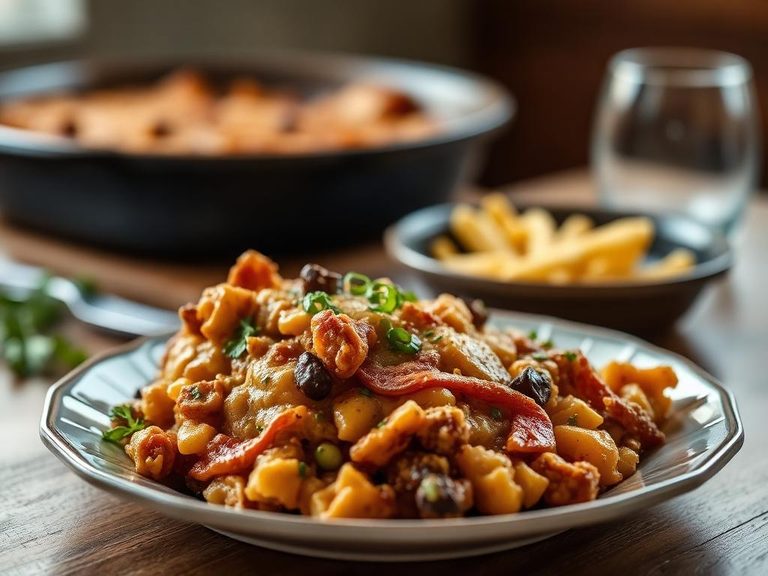
🌍 Where it's eaten
💡 Did you know?
The yellow color in wax beans comes from a recessive gene that inhibits the production of green chlorophyll, revealing the underlying carotenoid pigments.
Full nutrition (USDA data · scales with serving)
| Water | 11.1 g |
| Energy | 345 kcal |
| Energy | 1443 kj |
| Protein | 22.0 g |
| Total lipid (fat) | 2.6 g |
| Ash | 3.6 g |
| Carbohydrate, by difference | 60.7 g |
| Fiber, total dietary | 25.1 g |
| Calcium, Ca | 166 mg |
| Iron, Fe | 7.0 mg |
| Magnesium, Mg | 222 mg |
| Phosphorus, P | 488 mg |
| Potassium, K | 1042 mg |
| Sodium, Na | 12.0 mg |
| Zinc, Zn | 2.8 mg |
| Copper, Cu | 0.64 mg |
| Manganese, Mn | 1.3 mg |
| Selenium, Se | 12.8 ug |
| Vitamin C, total ascorbic acid | 0.00 mg |
| Thiamin | 0.69 mg |
| Riboflavin | 0.33 mg |
| Niacin | 2.4 mg |
| Pantothenic acid | 0.73 mg |
| Vitamin B-6 | 0.44 mg |
| Folate, total | 389 ug |
| Folic acid | 0.00 ug |
| Folate, food | 389 ug |
| Folate, DFE | 389 ug |
| Vitamin B-12 | 0.00 ug |
| Vitamin A, RAE | 0.00 ug |
| Retinol | 0.00 ug |
| Vitamin A, IU | 6.0 iu |
| Vitamin D (D2 + D3), International Units | 0.00 iu |
| Vitamin D (D2 + D3) | 0.00 ug |
Fat & fatty acid profile (per 100g)
| Fatty acids, total saturated | 0.67 g |
| SFA 14:0 | 0.00 g |
| SFA 16:0 | 0.63 g |
| SFA 18:0 | 0.04 g |
| Fatty acids, total monounsaturated | 0.23 g |
| MUFA 18:1 | 0.23 g |
| Fatty acids, total polyunsaturated | 1.1 g |
| PUFA 18:2 | 0.61 g |
| PUFA 18:3 | 0.51 g |
| Fatty acids, total trans | 0.00 g |
| Cholesterol | 0.00 mg |
Amino acid profile (per 100g)
| Tryptophan | 0.26 g |
| Threonine | 0.93 g |
| Isoleucine | 0.97 g |
| Leucine | 1.8 g |
| Lysine | 1.5 g |
| Methionine | 0.33 g |
| Cystine | 0.24 g |
| Phenylalanine | 1.2 g |
| Tyrosine | 0.62 g |
| Valine | 1.2 g |
| Arginine | 1.4 g |
| Histidine | 0.61 g |
| Alanine | 0.92 g |
| Aspartic acid | 2.7 g |
| Glutamic acid | 3.4 g |
| Glycine | 0.86 g |
| Proline | 0.93 g |
| Serine | 1.2 g |
FAQ
What's the difference between yellow beans and green beans?
They are the same species (Phaseolus vulgaris) but different cultivars. Yellow wax beans lack chlorophyll, giving them their color and a slightly milder, less 'grassy' flavor.
Do I need to soak dried yellow beans before cooking?
Yes, soaking for 8-12 hours is highly recommended. It reduces cooking time, improves digestibility by breaking down gas-causing compounds, and ensures even cooking.
How do I store cooked yellow beans?
Store cooked beans in an airtight container in the refrigerator for up to 5 days, or freeze them in portions for up to 6 months for convenient future use.
Nutrient density (calculated · NRF9.3)
Nutrient Rich Foods index: beneficial nutrients (protein, fiber, vitamins, minerals) minus saturated fat, added sugar & sodium, per 100 kcal.
NRF9.3 index — Fulgoni, Keast & Drewnowski, 2009. Computed from USDA nutrients.
Weight-loss friendliness (composite index)
Energy density 3.45 kcal/g · 26% calories from protein · 25.1 g fiber · 0.0 g sugar per 100 g.
Composite of energy density (Rolls et al., 1999), protein & fiber satiety, minus sugar. A calculated heuristic — ranks satiety-per-calorie, not a clinical measure.
Dietary load (calculated from USDA values)
Potential renal acid load. Positive = acid-forming, negative = alkaline-forming.
Sodium-to-potassium ratio: 0.01 (lower is better — aim for ≤ 1)
Sodium:potassium per WHO potassium guidance. Computed from USDA nutrients.