

Beans, small white, mature seeds, raw
Whole food · Legumes and Legume Products

Photo: Wikipedia
Small white beans are tiny, creamy legumes that cook into a tender, velvety texture with a mild, slightly nutty flavor. They are a nutritional powerhouse, packing over 21 grams of protein and a remarkable 25 grams of fiber per 100g dry weight, making them exceptionally filling and gut-friendly.
Calorie split: 25% protein · 72% carbs · 3% fat
↓ Full nutrition💚 Why it's loved
People love them for their ability to absorb flavors in soups and stews while maintaining a pleasant, creamy bite. They are a beloved, affordable staple in cuisines worldwide, from Italian minestrone to Mexican charro beans.
⚠️ Watch-outs & how to enjoy it better
Like all beans, they contain oligosaccharides that can cause gas and bloating. To counteract this, soak them overnight in plenty of water, discard the soak water, and cook them thoroughly. They are also high in fiber, so increase intake gradually and drink plenty of water.
Key benefits
- Excellent source of plant-based protein for muscle maintenance.
- High in soluble fiber, which supports heart health and digestion.
- Rich in minerals like iron, magnesium, and potassium.
- Low in fat and contains no sugar.
🍽️ Popular dishes
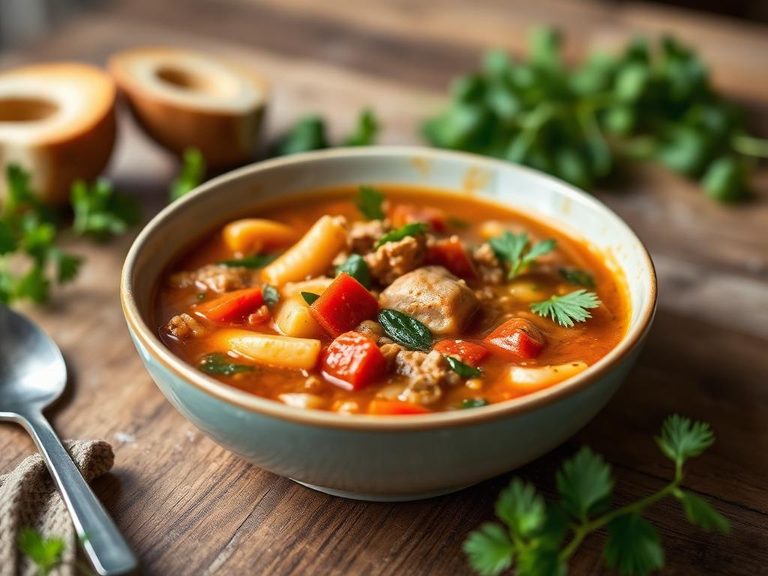
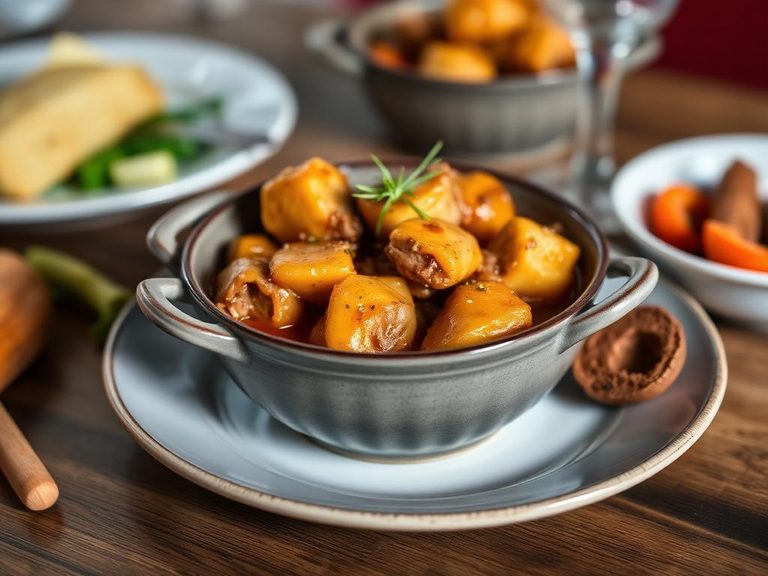
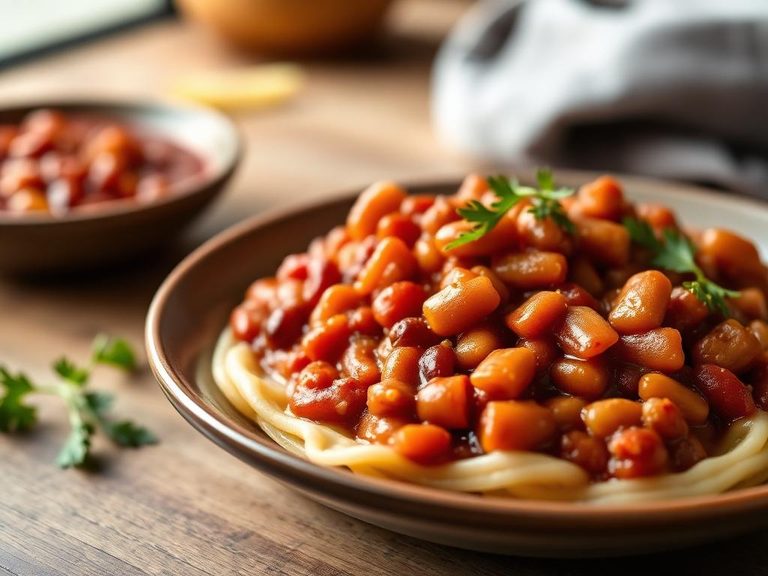
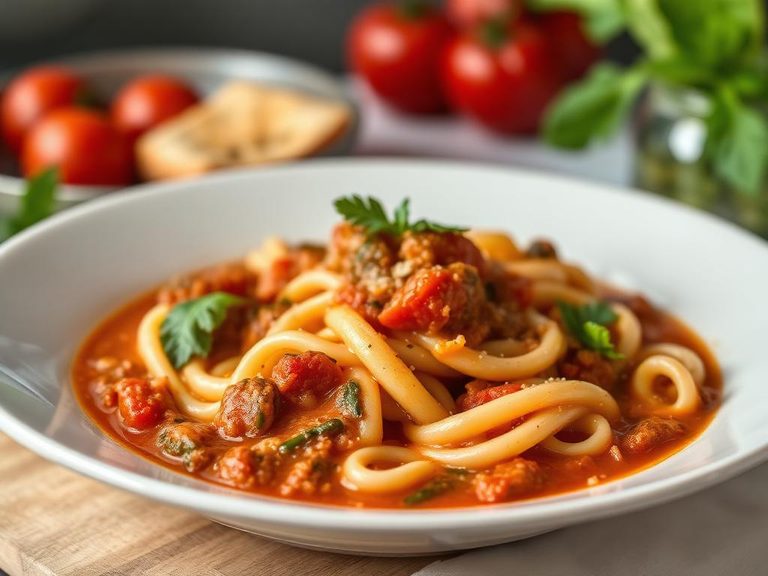
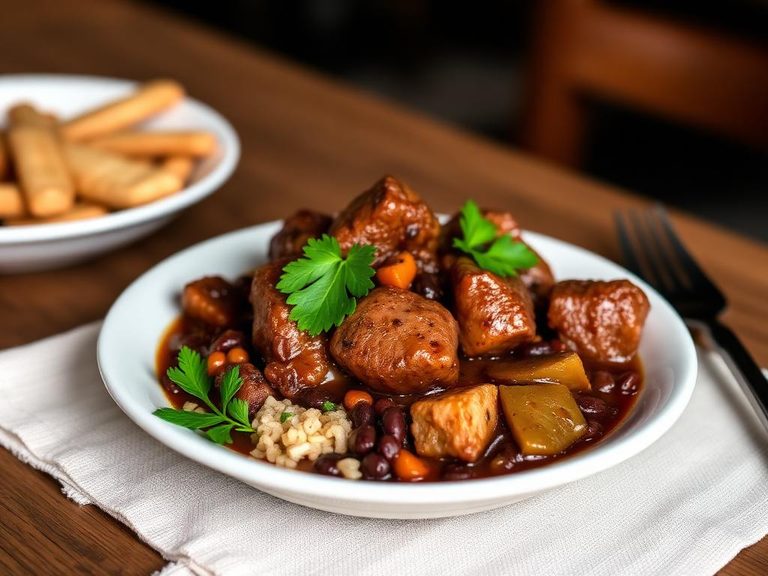
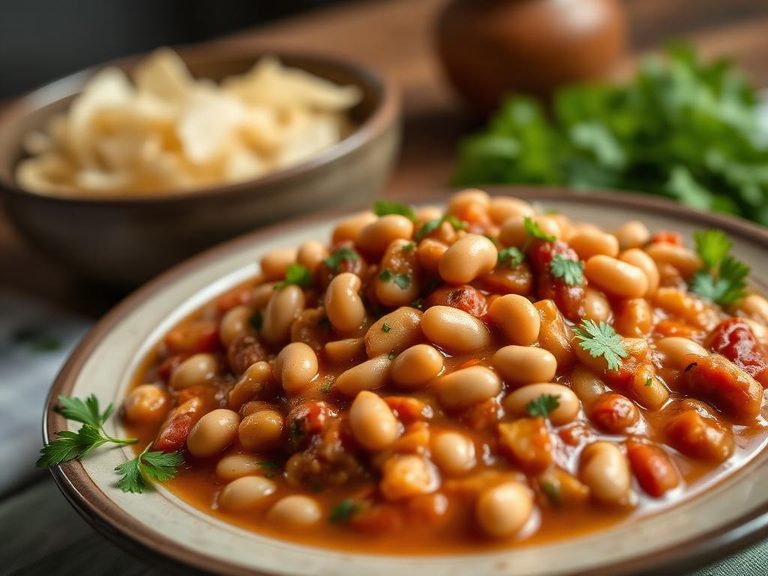
🌍 Where it's eaten
💡 Did you know?
The 'navy bean' is a type of small white bean, so named because it was a staple food for United States Navy sailors in the early 20th century.
Full nutrition (USDA data · scales with serving)
| Water | 11.7 g |
| Energy | 336 kcal |
| Energy | 1406 kj |
| Protein | 21.1 g |
| Total lipid (fat) | 1.2 g |
| Ash | 3.8 g |
| Carbohydrate, by difference | 62.3 g |
| Fiber, total dietary | 24.9 g |
| Calcium, Ca | 173 mg |
| Iron, Fe | 7.7 mg |
| Magnesium, Mg | 183 mg |
| Phosphorus, P | 445 mg |
| Potassium, K | 1542 mg |
| Sodium, Na | 12.0 mg |
| Zinc, Zn | 2.8 mg |
| Copper, Cu | 0.64 mg |
| Manganese, Mn | 1.3 mg |
| Selenium, Se | 12.8 ug |
| Vitamin C, total ascorbic acid | 0.00 mg |
| Thiamin | 0.74 mg |
| Riboflavin | 0.21 mg |
| Niacin | 1.3 mg |
| Pantothenic acid | 0.73 mg |
| Vitamin B-6 | 0.44 mg |
| Folate, total | 386 ug |
| Folic acid | 0.00 ug |
| Folate, food | 386 ug |
| Folate, DFE | 386 ug |
| Vitamin B-12 | 0.00 ug |
| Vitamin A, RAE | 0.00 ug |
| Retinol | 0.00 ug |
| Vitamin A, IU | 0.00 iu |
| Vitamin D (D2 + D3), International Units | 0.00 iu |
| Vitamin D (D2 + D3) | 0.00 ug |
Fat & fatty acid profile (per 100g)
| Fatty acids, total saturated | 0.30 g |
| SFA 14:0 | 0.00 g |
| SFA 16:0 | 0.28 g |
| SFA 18:0 | 0.02 g |
| Fatty acids, total monounsaturated | 0.10 g |
| MUFA 18:1 | 0.10 g |
| Fatty acids, total polyunsaturated | 0.51 g |
| PUFA 18:2 | 0.28 g |
| PUFA 18:3 | 0.23 g |
| Fatty acids, total trans | 0.00 g |
| Cholesterol | 0.00 mg |
Amino acid profile (per 100g)
| Tryptophan | 0.25 g |
| Threonine | 0.89 g |
| Isoleucine | 0.93 g |
| Leucine | 1.7 g |
| Lysine | 1.4 g |
| Methionine | 0.32 g |
| Cystine | 0.23 g |
| Phenylalanine | 1.1 g |
| Tyrosine | 0.59 g |
| Valine | 1.1 g |
| Arginine | 1.3 g |
| Histidine | 0.59 g |
| Alanine | 0.89 g |
| Aspartic acid | 2.6 g |
| Glutamic acid | 3.2 g |
| Glycine | 0.82 g |
| Proline | 0.90 g |
| Serine | 1.1 g |
FAQ
Do I need to soak small white beans before cooking?
Soaking is highly recommended to reduce cooking time and help break down the compounds that cause gas. Soak in cold water for at least 8 hours or overnight, then drain and rinse before cooking.
How long does it take to cook them from dry?
After soaking, they typically simmer for 45 to 60 minutes until tender. Cooking time can vary based on the age of the beans.
What's the difference between small white beans and cannellini beans?
They are very similar. Cannellini beans are a specific, larger variety of white kidney bean with a slightly more robust texture. Small white beans (like navy beans) are smaller and tend to become creamier when cooked.
Nutrient density (calculated · NRF9.3)
Nutrient Rich Foods index: beneficial nutrients (protein, fiber, vitamins, minerals) minus saturated fat, added sugar & sodium, per 100 kcal.
NRF9.3 index — Fulgoni, Keast & Drewnowski, 2009. Computed from USDA nutrients.
Weight-loss friendliness (composite index)
Energy density 3.36 kcal/g · 25% calories from protein · 24.9 g fiber · 0.0 g sugar per 100 g.
Composite of energy density (Rolls et al., 1999), protein & fiber satiety, minus sugar. A calculated heuristic — ranks satiety-per-calorie, not a clinical measure.
Dietary load (calculated from USDA values)
Potential renal acid load. Positive = acid-forming, negative = alkaline-forming.
Sodium-to-potassium ratio: 0.01 (lower is better — aim for ≤ 1)
Sodium:potassium per WHO potassium guidance. Computed from USDA nutrients.