

Beans, pinto, immature seeds, frozen, unprepared
Whole food · Vegetables and Vegetable Products

Photo: Wikipedia
These are the tender, immature seeds of the pinto bean, harvested early and flash-frozen to preserve their fresh, slightly starchy bite and mild, earthy flavor. They offer a solid plant-based protein punch with minimal fat and a good dose of dietary fiber. Their texture is firmer than cooked mature beans, holding up well in dishes without turning mushy.
Calorie split: 23% protein · 75% carbs · 3% fat
↓ Full nutrition💚 Why it's loved
People love them for their satisfying, hearty texture and ability to absorb flavors from spices and broths, making them a versatile staple in soups, stews, and salads. They are a beloved, convenient ingredient in many home kitchens for quick, nutritious meals.
⚠️ Watch-outs & how to enjoy it better
As a legume, they contain oligosaccharides which can cause gas and bloating in some individuals. To counteract this, start with smaller portions, ensure they are thoroughly cooked, and consider soaking dried versions (if not using frozen) or using digestive spices like cumin or ginger in the dish. Their high fiber content can also affect blood sugar absorption; pairing them with a healthy fat or protein source can help moderate this.
Key benefits
- Excellent source of plant-based protein (9.8g per 100g)
- High in dietary fiber (5.7g per 100g) for digestive health
- Very low in fat (0.5g per 100g)
- Naturally sugar-free
- Good source of complex carbohydrates for sustained energy
🍽️ Popular dishes
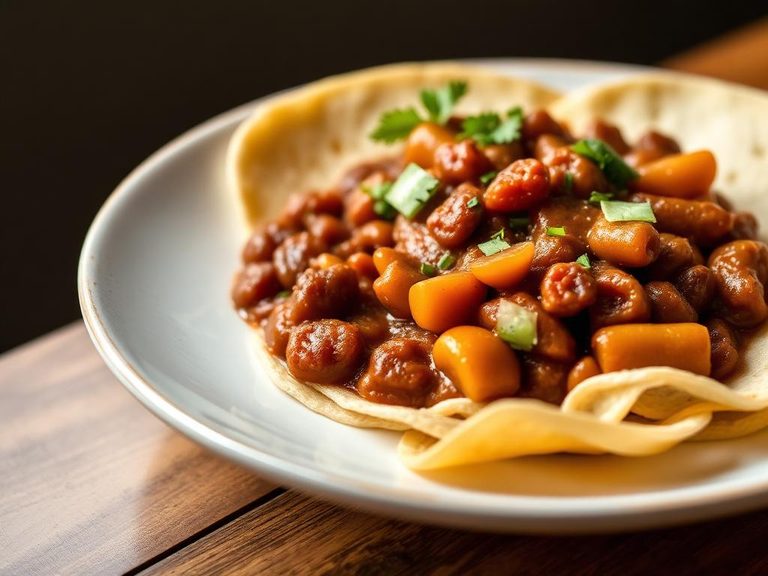
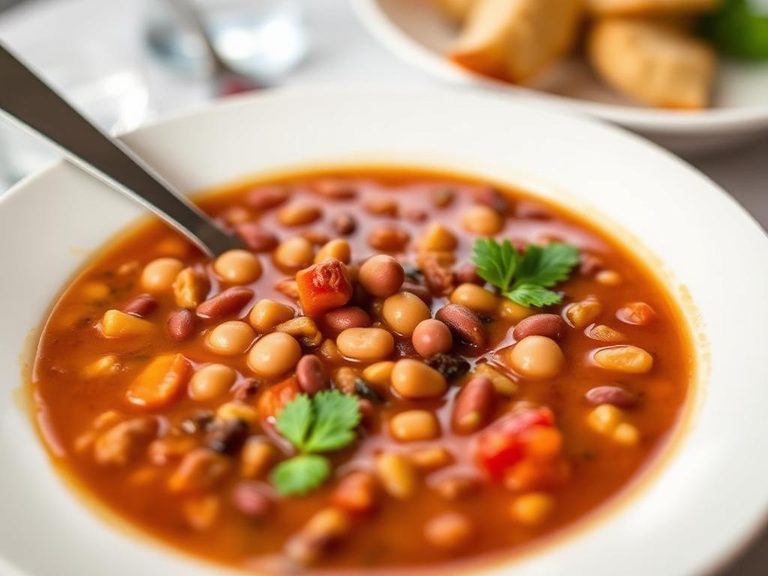
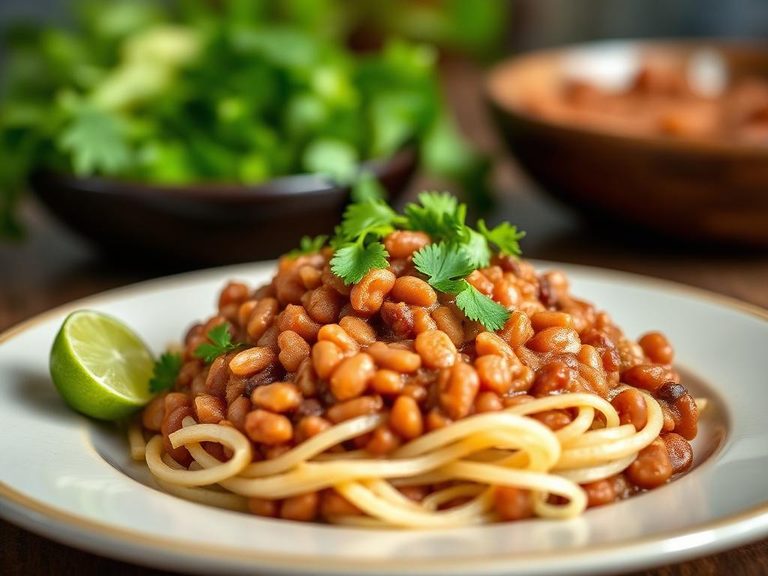
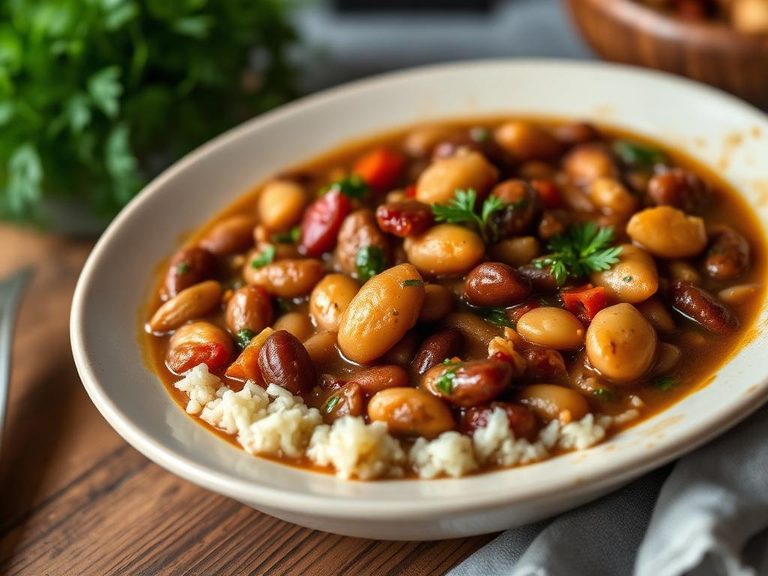
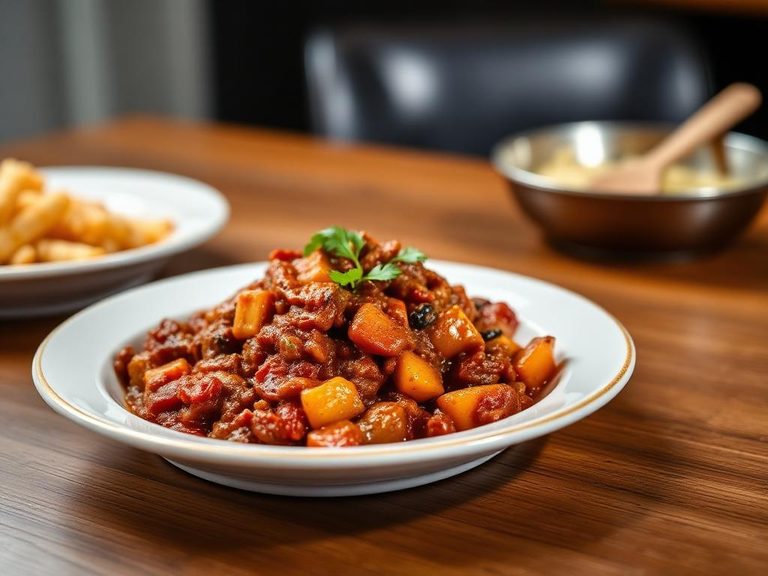
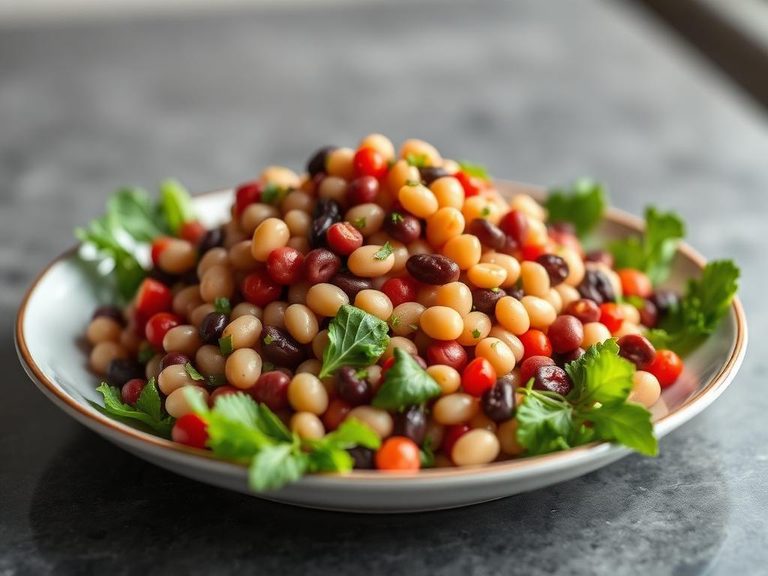
🌍 Where it's eaten
💡 Did you know?
The name 'pinto' means 'painted' in Spanish, referring to the mottled, speckled appearance of the mature, dried bean seed.
Full nutrition (USDA data · scales with serving)
| Water | 55.8 g |
| Energy | 170 kcal |
| Energy | 711 kj |
| Protein | 9.8 g |
| Total lipid (fat) | 0.50 g |
| Ash | 1.4 g |
| Carbohydrate, by difference | 32.5 g |
| Fiber, total dietary | 5.7 g |
| Calcium, Ca | 58.0 mg |
| Iron, Fe | 3.0 mg |
| Magnesium, Mg | 60.0 mg |
| Phosphorus, P | 117 mg |
| Potassium, K | 756 mg |
| Sodium, Na | 92.0 mg |
| Zinc, Zn | 0.77 mg |
| Copper, Cu | 0.10 mg |
| Manganese, Mn | 0.55 mg |
| Selenium, Se | 1.5 ug |
| Vitamin C, total ascorbic acid | 1.0 mg |
| Thiamin | 0.34 mg |
| Riboflavin | 0.12 mg |
| Niacin | 0.70 mg |
| Pantothenic acid | 0.30 mg |
| Vitamin B-6 | 0.21 mg |
| Folate, total | 50.0 ug |
| Folic acid | 0.00 ug |
| Folate, food | 50.0 ug |
| Folate, DFE | 50.0 ug |
| Vitamin B-12 | 0.00 ug |
| Vitamin A, RAE | 0.00 ug |
| Retinol | 0.00 ug |
| Vitamin A, IU | 0.00 iu |
| Vitamin D (D2 + D3), International Units | 0.00 iu |
| Vitamin D (D2 + D3) | 0.00 ug |
Fat & fatty acid profile (per 100g)
| Fatty acids, total saturated | 0.06 g |
| SFA 16:0 | 0.05 g |
| SFA 18:0 | 0.01 g |
| Fatty acids, total monounsaturated | 0.04 g |
| MUFA 18:1 | 0.04 g |
| Fatty acids, total polyunsaturated | 0.29 g |
| PUFA 18:2 | 0.10 g |
| PUFA 18:3 | 0.19 g |
| Fatty acids, total trans | 0.00 g |
| Cholesterol | 0.00 mg |
Amino acid profile (per 100g)
Estimated from Beans, kidney, mature seeds, sprouted, cooked, boiled, drained, without salt — USDA does not publish this profile for Beans.
| Tryptophan | 0.05 g |
| Threonine | 0.20 g |
| Isoleucine | 0.21 g |
| Leucine | 0.35 g |
| Lysine | 0.28 g |
| Methionine | 0.05 g |
| Cystine | 0.06 g |
| Phenylalanine | 0.24 g |
| Tyrosine | 0.17 g |
| Valine | 0.25 g |
| Arginine | 0.26 g |
| Histidine | 0.14 g |
| Alanine | 0.20 g |
| Aspartic acid | 0.63 g |
| Glutamic acid | 0.59 g |
| Glycine | 0.17 g |
| Proline | 0.20 g |
| Serine | 0.26 g |
FAQ
How do frozen immature pinto beans differ from mature, dried pinto beans?
Immature seeds are harvested earlier, resulting in a smaller, firmer bean with a milder, less 'beany' flavor and shorter cooking time. Frozen ones are pre-blanched, so they cook much faster than dried beans which require soaking and long simmering.
Do I need to thaw them before cooking?
No, you can add them directly from frozen to soups, stews, or sautés. They will release some water as they heat through, so you may need to adjust your recipe's liquid content slightly.
Are they a common allergen?
Pinto beans are not among the top food allergens. However, like all legumes, they can cause digestive discomfort in some people due to their fiber and oligosaccharide content. Introducing them gradually and cooking them well can help.
Nutrient density (calculated · NRF9.3)
Nutrient Rich Foods index: beneficial nutrients (protein, fiber, vitamins, minerals) minus saturated fat, added sugar & sodium, per 100 kcal.
NRF9.3 index — Fulgoni, Keast & Drewnowski, 2009. Computed from USDA nutrients.
Weight-loss friendliness (composite index)
Energy density 1.70 kcal/g · 23% calories from protein · 5.7 g fiber · 0.0 g sugar per 100 g.
Composite of energy density (Rolls et al., 1999), protein & fiber satiety, minus sugar. A calculated heuristic — ranks satiety-per-calorie, not a clinical measure.
Dietary load (calculated from USDA values)
Potential renal acid load. Positive = acid-forming, negative = alkaline-forming.
Sodium-to-potassium ratio: 0.12 (lower is better — aim for ≤ 1)
Sodium:potassium per WHO potassium guidance. Computed from USDA nutrients.