

Beans, pinto, immature seeds, frozen, cooked, boiled, drained, with salt
Whole food · Vegetables and Vegetable Products

Photo: Wikipedia
These are the tender, young seeds of the pinto bean plant, harvested before maturity and frozen at peak freshness. After boiling, they offer a creamy, slightly starchy texture with a mild, earthy sweetness. Nutritionally, they are a standout source of plant-based protein and complex carbohydrates, providing sustained energy with minimal fat.
Calorie split: 23% protein · 75% carbs · 3% fat
↓ Full nutrition💚 Why it's loved
People love them for their incredibly versatile, mild flavor that readily absorbs spices and sauces, making them a perfect canvas for countless dishes. They are a beloved staple in comfort foods, offering a satisfying, hearty texture that feels both nourishing and familiar.
⚠️ Watch-outs & how to enjoy it better
The added salt can be a concern for those monitoring sodium intake, and like all beans, they contain oligosaccharides that may cause gas in some individuals. To manage sodium, rinse the cooked beans thoroughly under cold water. To reduce digestive discomfort, start with smaller portions and ensure they are cooked until very tender.
Key benefits
- Excellent source of plant-based protein for muscle maintenance
- High in dietary fiber, promoting digestive health and satiety
- Rich in complex carbohydrates for steady, long-lasting energy
- Low in fat, making it a heart-healthy protein choice
- Contains essential minerals like iron and folate
🍽️ Popular dishes
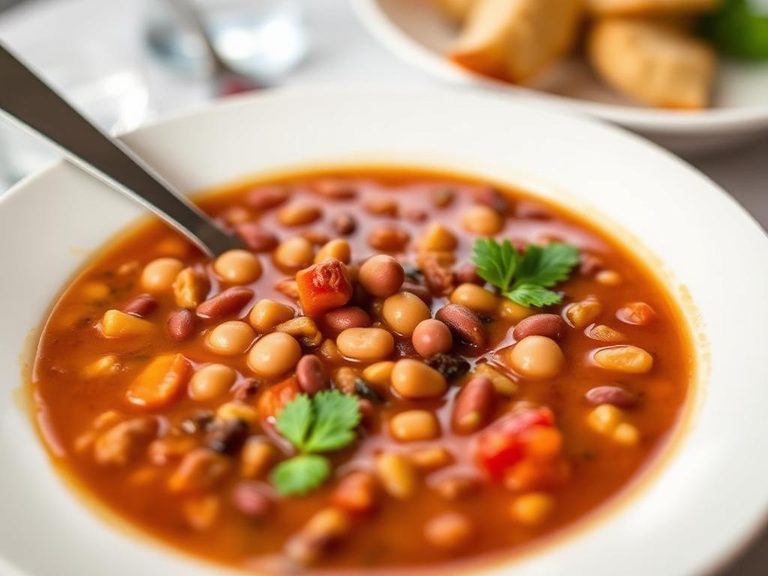
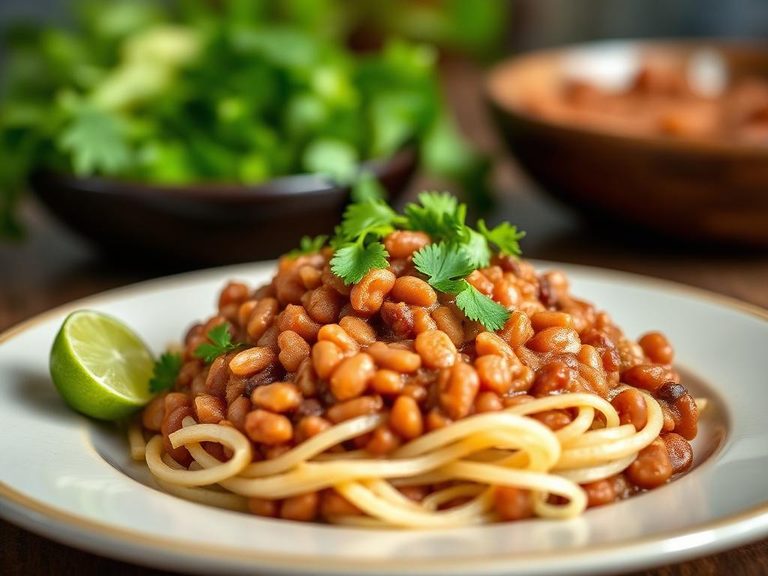
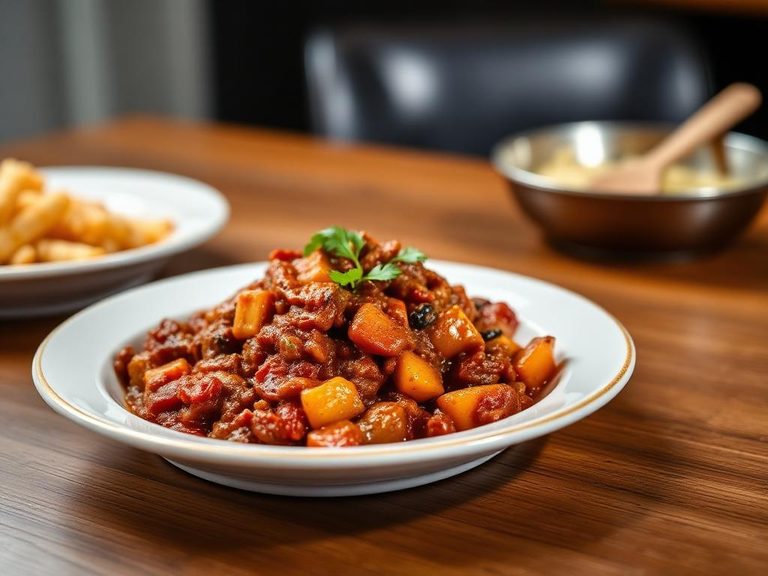

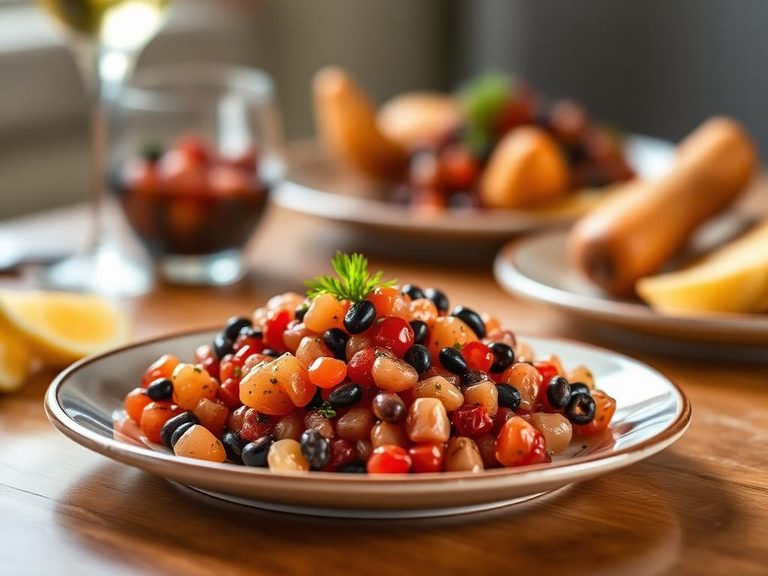
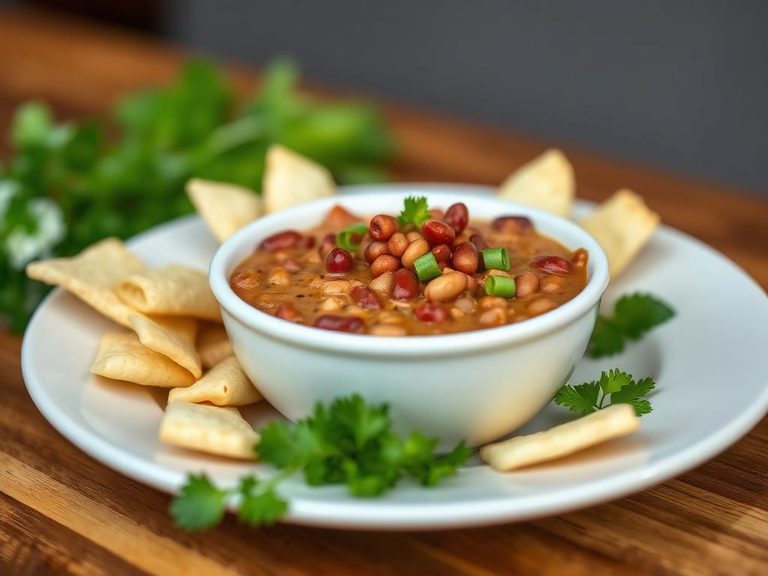
🌍 Where it's eaten
💡 Did you know?
The name 'pinto' means 'painted' in Spanish, referring to the bean's distinctive mottled, speckled appearance when dried.
Full nutrition (USDA data · scales with serving)
| Water | 58.0 g |
| Energy | 162 kcal |
| Energy | 678 kj |
| Protein | 9.3 g |
| Total lipid (fat) | 0.48 g |
| Ash | 1.3 g |
| Carbohydrate, by difference | 30.9 g |
| Fiber, total dietary | 5.4 g |
| Calcium, Ca | 52.0 mg |
| Iron, Fe | 2.7 mg |
| Magnesium, Mg | 54.0 mg |
| Phosphorus, P | 100 mg |
| Potassium, K | 646 mg |
| Sodium, Na | 319 mg |
| Zinc, Zn | 0.69 mg |
| Copper, Cu | 0.09 mg |
| Manganese, Mn | 0.49 mg |
| Selenium, Se | 1.4 ug |
| Vitamin C, total ascorbic acid | 0.70 mg |
| Thiamin | 0.27 mg |
| Riboflavin | 0.11 mg |
| Niacin | 0.63 mg |
| Pantothenic acid | 0.26 mg |
| Vitamin B-6 | 0.19 mg |
| Folate, total | 34.0 ug |
| Folic acid | 0.00 ug |
| Folate, food | 34.0 ug |
| Folate, DFE | 34.0 ug |
| Vitamin B-12 | 0.00 ug |
| Retinol | 0.00 ug |
| Vitamin A, IU | 0.00 iu |
| Vitamin D (D2 + D3), International Units | 0.00 iu |
| Vitamin D (D2 + D3) | 0.00 ug |
Fat & fatty acid profile (per 100g)
| Fatty acids, total saturated | 0.06 g |
| SFA 16:0 | 0.05 g |
| SFA 18:0 | 0.01 g |
| Fatty acids, total monounsaturated | 0.04 g |
| MUFA 18:1 | 0.04 g |
| Fatty acids, total polyunsaturated | 0.28 g |
| PUFA 18:2 | 0.10 g |
| PUFA 18:3 | 0.18 g |
| Fatty acids, total trans | 0.00 g |
| Cholesterol | 0.00 mg |
Amino acid profile (per 100g)
Estimated from Beans, kidney, mature seeds, sprouted, cooked, boiled, drained, without salt — USDA does not publish this profile for Beans.
| Tryptophan | 0.05 g |
| Threonine | 0.20 g |
| Isoleucine | 0.21 g |
| Leucine | 0.35 g |
| Lysine | 0.28 g |
| Methionine | 0.05 g |
| Cystine | 0.06 g |
| Phenylalanine | 0.24 g |
| Tyrosine | 0.17 g |
| Valine | 0.25 g |
| Arginine | 0.26 g |
| Histidine | 0.14 g |
| Alanine | 0.20 g |
| Aspartic acid | 0.63 g |
| Glutamic acid | 0.59 g |
| Glycine | 0.17 g |
| Proline | 0.20 g |
| Serine | 0.26 g |
FAQ
How do frozen immature pinto beans differ from dried mature ones?
Immature seeds are harvested young, resulting in a softer, creamier texture and milder flavor. They cook much faster than dried beans and don't require soaking, but have a shorter shelf life, hence freezing.
Are these a good option for people with diabetes?
Yes, their high fiber and complex carbohydrate content helps moderate blood sugar response. However, portion control is still key, and pairing them with a source of protein or healthy fat can further stabilize blood sugar levels.
Can I use them directly from frozen in recipes?
It's best to boil them first until tender as directed on the package. Using them frozen directly in a slow-cook recipe may result in uneven cooking and a tougher texture.
Nutrient density (calculated · NRF9.3)
Nutrient Rich Foods index: beneficial nutrients (protein, fiber, vitamins, minerals) minus saturated fat, added sugar & sodium, per 100 kcal.
NRF9.3 index — Fulgoni, Keast & Drewnowski, 2009. Computed from USDA nutrients.
Weight-loss friendliness (composite index)
Energy density 1.62 kcal/g · 23% calories from protein · 5.4 g fiber · 0.0 g sugar per 100 g.
Composite of energy density (Rolls et al., 1999), protein & fiber satiety, minus sugar. A calculated heuristic — ranks satiety-per-calorie, not a clinical measure.
Dietary load (calculated from USDA values)
Potential renal acid load. Positive = acid-forming, negative = alkaline-forming.
Sodium-to-potassium ratio: 0.49 (lower is better — aim for ≤ 1)
Sodium:potassium per WHO potassium guidance. Computed from USDA nutrients.