

Beans, kidney, mature seeds, sprouted, cooked, boiled, drained, without salt
Whole food · Vegetables and Vegetable Products

Photo: Wikipedia
These are mature red kidney beans that have been sprouted and then boiled, resulting in a tender, slightly chewy texture with a mild, earthy flavor. They are a low-calorie, protein-rich ingredient that loses some of its characteristic firmness compared to unsprouted beans. Nutritionally, they provide a solid plant-based protein boost with minimal fat.
Calorie split: 44% protein · 43% carbs · 12% fat
↓ Full nutrition💚 Why it's loved
People love them for their mild, versatile flavor that absorbs seasonings well, making them a convenient protein addition to salads, soups, and stir-fries. They are also cherished in many cultures as a quick-cooking, nutritious staple.
⚠️ Watch-outs & how to enjoy it better
Sprouting and boiling can reduce some of the bean's natural fiber content. They are a common allergen, and like all beans, contain lectins that are neutralized by proper boiling. To counteract any potential digestive discomfort, ensure they are cooked thoroughly and consider pairing with a source of healthy fat or whole grains.
Key benefits
- Excellent source of plant-based protein
- Very low in calories and fat
- Contains essential amino acids
- Good source of folate and iron
- Provides a quick-cooking bean option
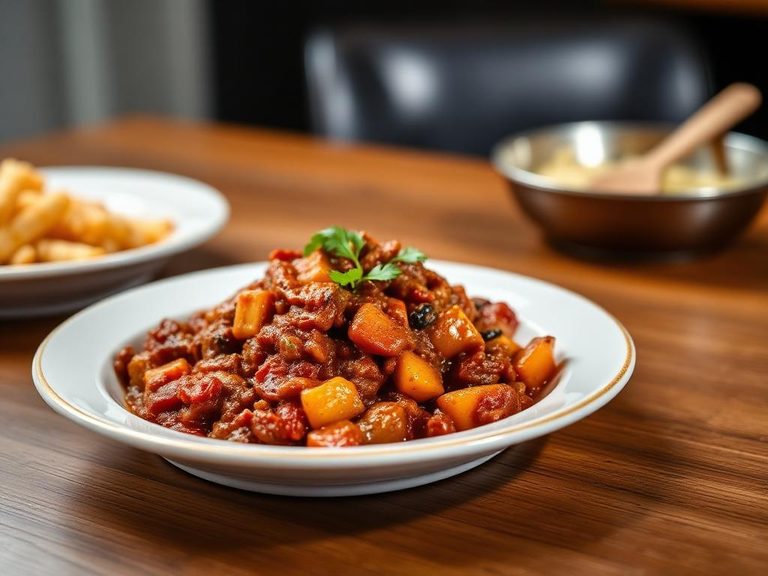
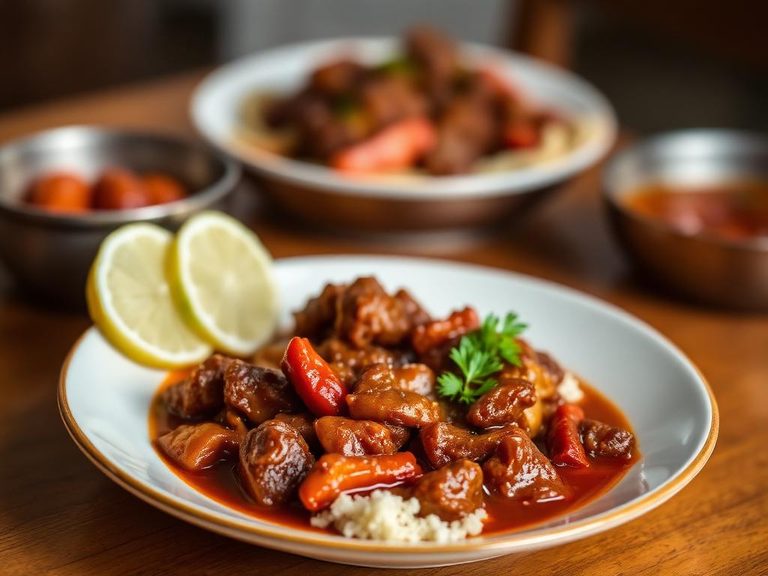
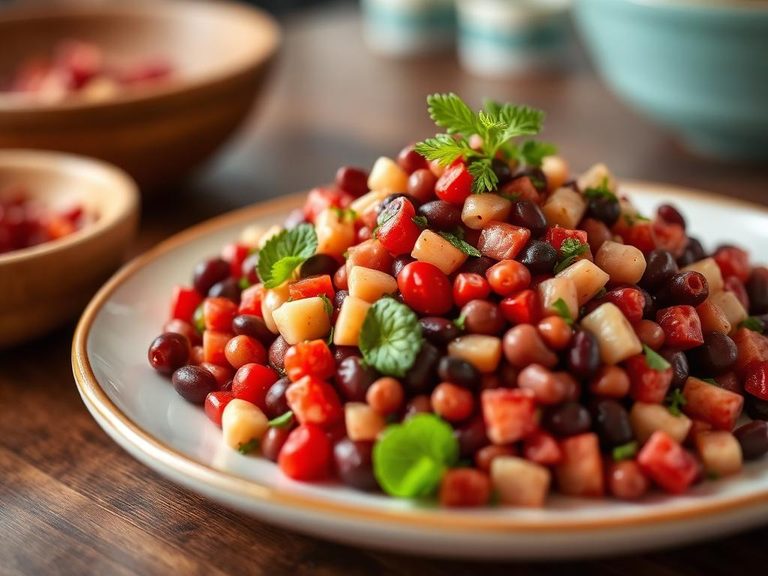
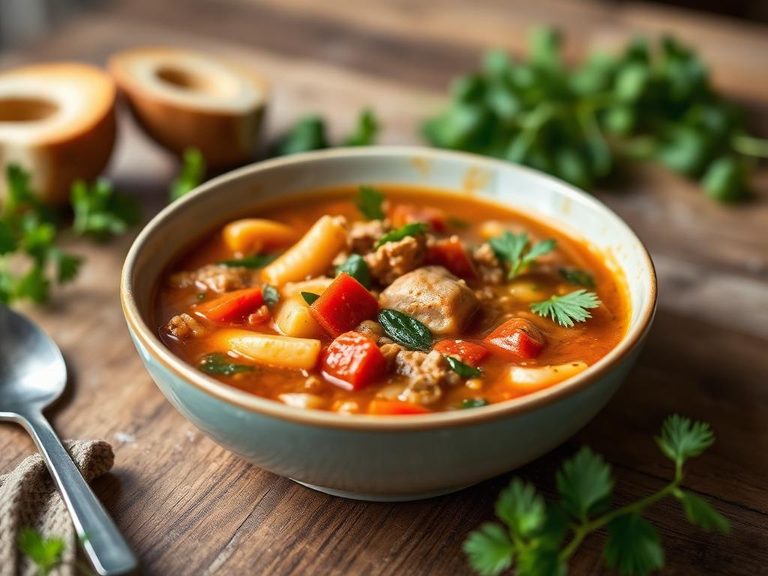
🍽️ Popular dishes
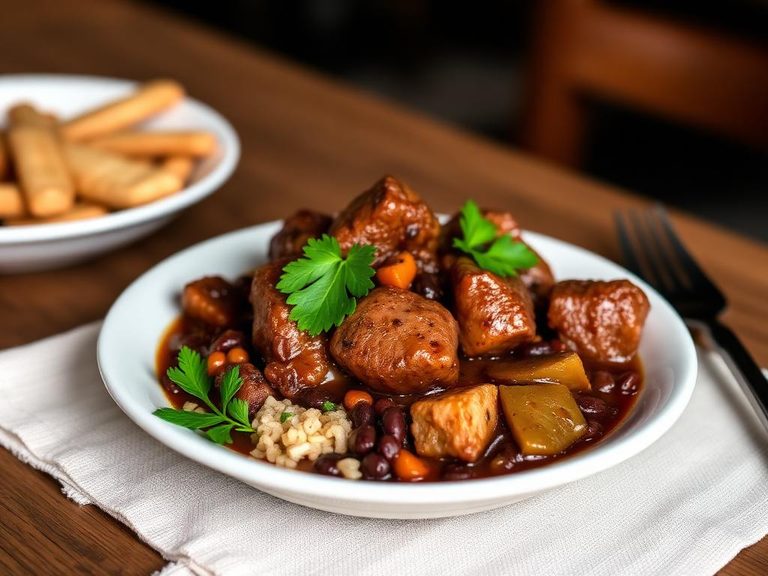
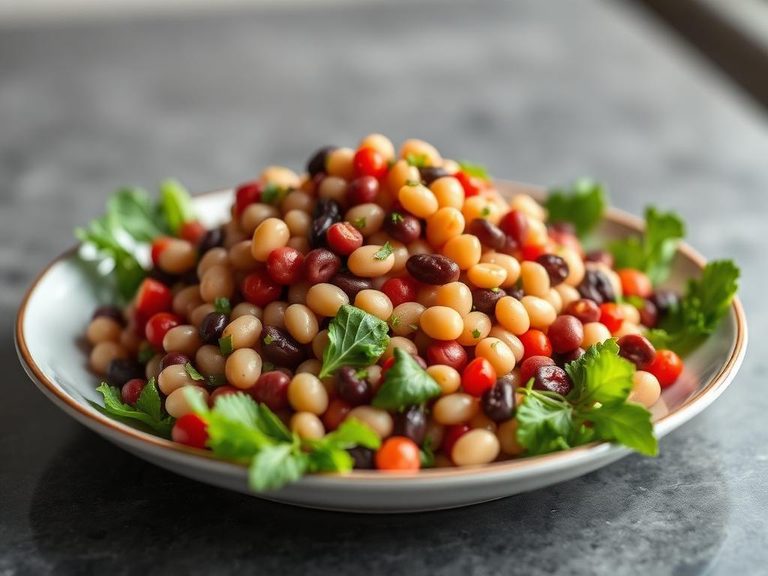
🌍 Where it's eaten
💡 Did you know?
Sprouting kidney beans before cooking can reduce their cooking time by up to 30% and may slightly increase the bioavailability of certain nutrients.
Full nutrition (USDA data · scales with serving)
| Water | 89.3 g |
| Energy | 33.0 kcal |
| Energy | 138 kj |
| Protein | 4.8 g |
| Total lipid (fat) | 0.58 g |
| Ash | 0.58 g |
| Carbohydrate, by difference | 4.7 g |
| Calcium, Ca | 19.0 mg |
| Iron, Fe | 0.89 mg |
| Magnesium, Mg | 23.0 mg |
| Phosphorus, P | 38.0 mg |
| Potassium, K | 194 mg |
| Sodium, Na | 7.0 mg |
| Zinc, Zn | 0.44 mg |
| Copper, Cu | 0.17 mg |
| Manganese, Mn | 0.20 mg |
| Selenium, Se | 0.60 ug |
| Vitamin C, total ascorbic acid | 35.6 mg |
| Thiamin | 0.36 mg |
| Riboflavin | 0.27 mg |
| Niacin | 3.0 mg |
| Pantothenic acid | 0.38 mg |
| Vitamin B-6 | 0.09 mg |
| Folate, total | 47.0 ug |
| Folic acid | 0.00 ug |
| Folate, food | 47.0 ug |
| Folate, DFE | 47.0 ug |
| Vitamin B-12 | 0.00 ug |
| Vitamin A, RAE | 0.00 ug |
| Retinol | 0.00 ug |
| Vitamin A, IU | 2.0 iu |
| Vitamin D (D2 + D3), International Units | 0.00 iu |
| Vitamin D (D2 + D3) | 0.00 ug |
Fat & fatty acid profile (per 100g)
| Fatty acids, total saturated | 0.08 g |
| SFA 16:0 | 0.07 g |
| SFA 18:0 | 0.01 g |
| Fatty acids, total monounsaturated | 0.04 g |
| MUFA 18:1 | 0.04 g |
| Fatty acids, total polyunsaturated | 0.32 g |
| PUFA 18:2 | 0.12 g |
| PUFA 18:3 | 0.19 g |
| Fatty acids, total trans | 0.00 g |
| Cholesterol | 0.00 mg |
Amino acid profile (per 100g)
| Tryptophan | 0.05 g |
| Threonine | 0.20 g |
| Isoleucine | 0.21 g |
| Leucine | 0.35 g |
| Lysine | 0.28 g |
| Methionine | 0.05 g |
| Cystine | 0.06 g |
| Phenylalanine | 0.24 g |
| Tyrosine | 0.17 g |
| Valine | 0.25 g |
| Arginine | 0.26 g |
| Histidine | 0.14 g |
| Alanine | 0.20 g |
| Aspartic acid | 0.63 g |
| Glutamic acid | 0.59 g |
| Glycine | 0.17 g |
| Proline | 0.20 g |
| Serine | 0.26 g |
FAQ
How do sprouted kidney beans differ from regular cooked kidney beans?
Sprouted kidney beans have a slightly milder flavor and a more tender, less starchy texture. The sprouting process also begins to break down some complex sugars, which can make them easier to digest for some people.
Are they safe to eat raw after sprouting?
No. Kidney beans, including sprouted ones, contain lectins (specifically phytohaemagglutinin) that are toxic if not destroyed by thorough boiling. Always cook them until they are soft.
What is the best way to store cooked sprouted kidney beans?
Store them in an airtight container in the refrigerator for up to 5 days, or freeze them for up to 3 months. Ensure they are cooled completely before refrigerating.
Nutrient density (calculated · NRF9.3)
Nutrient Rich Foods index: beneficial nutrients (protein, fiber, vitamins, minerals) minus saturated fat, added sugar & sodium, per 100 kcal.
NRF9.3 index — Fulgoni, Keast & Drewnowski, 2009. Computed from USDA nutrients.
Weight-loss friendliness (composite index)
Energy density 0.33 kcal/g · 59% calories from protein · 0.0 g fiber · 0.0 g sugar per 100 g.
Composite of energy density (Rolls et al., 1999), protein & fiber satiety, minus sugar. A calculated heuristic — ranks satiety-per-calorie, not a clinical measure.
Dietary load (calculated from USDA values)
Potential renal acid load. Positive = acid-forming, negative = alkaline-forming.
Sodium-to-potassium ratio: 0.04 (lower is better — aim for ≤ 1)
Sodium:potassium per WHO potassium guidance. Computed from USDA nutrients.