

Wine, white
Common food

Photo: Wikipedia
White wine is a crisp, aromatic alcoholic beverage fermented from light-skinned grapes, offering a refreshing palate with notes ranging from citrus and green apple to tropical fruit and honey. Nutritionally, it is a low-calorie, fat-free drink, with its energy primarily derived from residual sugars and alcohol, making it a lighter choice compared to many cocktails or red wines.
Calorie split: 3% protein · 97% carbs · 0% fat
↓ Full nutrition💚 Why it's loved
People love white wine for its vibrant acidity and versatility, which can brighten a meal or stand alone as a refreshing sipper. Its wide spectrum of flavors—from dry and zesty to sweet and floral—makes it a cultural staple for celebrations, relaxation, and culinary pairing.
⚠️ Watch-outs & how to enjoy it better
Those watching blood sugar should be cautious, as residual sugars can cause spikes, and alcohol may impair judgment and sleep. To counteract, opt for drier varieties like Sauvignon Blanc, pair with protein or fat-rich foods to slow absorption, and practice strict portion control.
Key benefits
- May contain antioxidants like resveratrol in small amounts
- Often lower in calories than sweet cocktails or beer
- Can enhance meal enjoyment and social bonding
- Certain varieties may support heart health in moderation
🍽️ Popular dishes
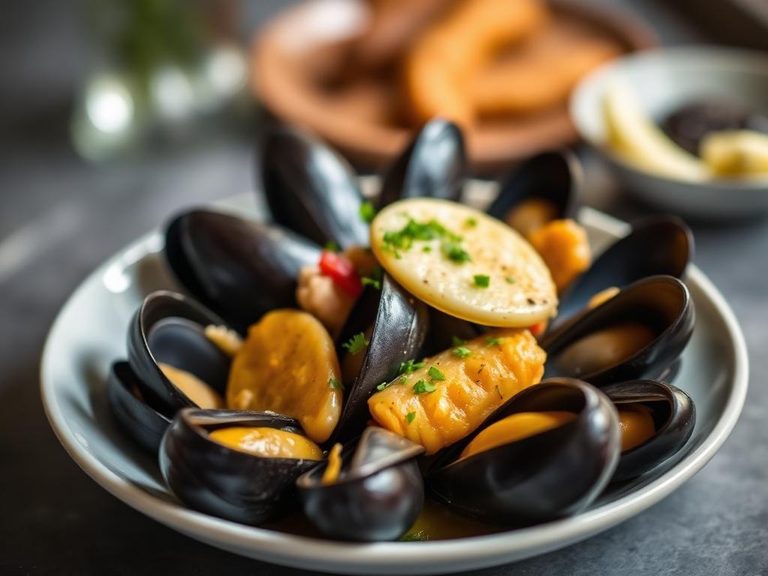
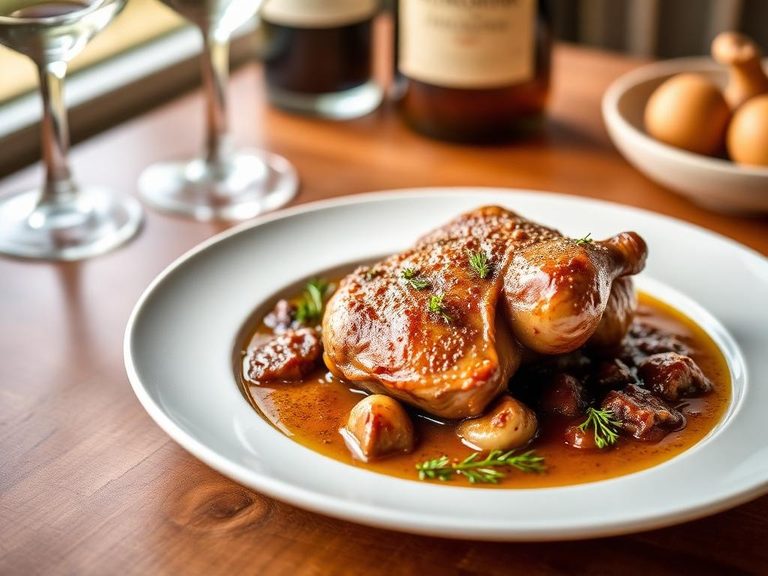
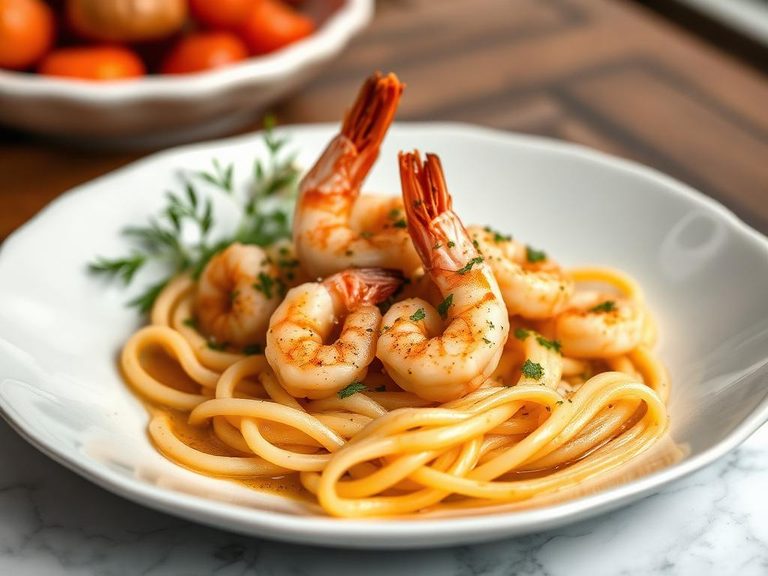
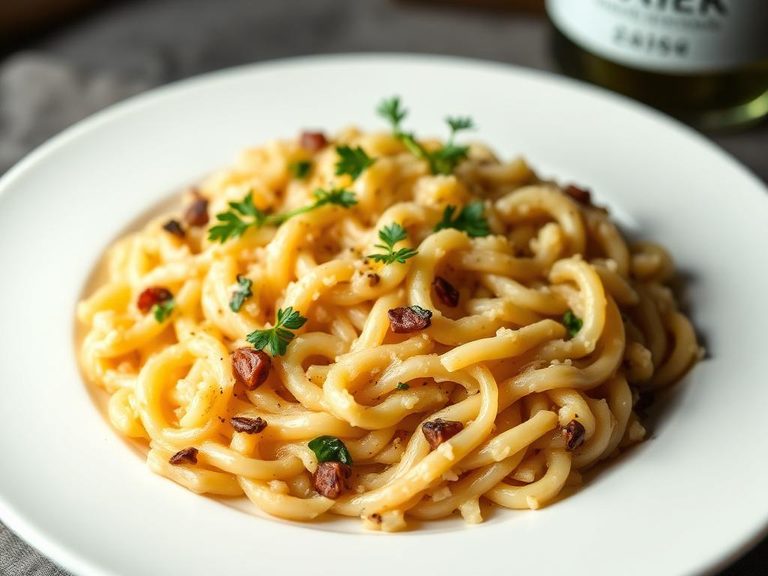
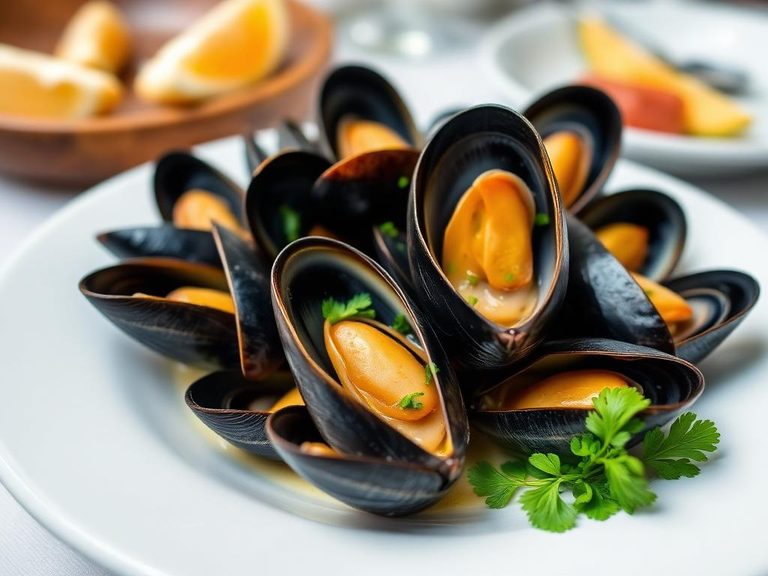
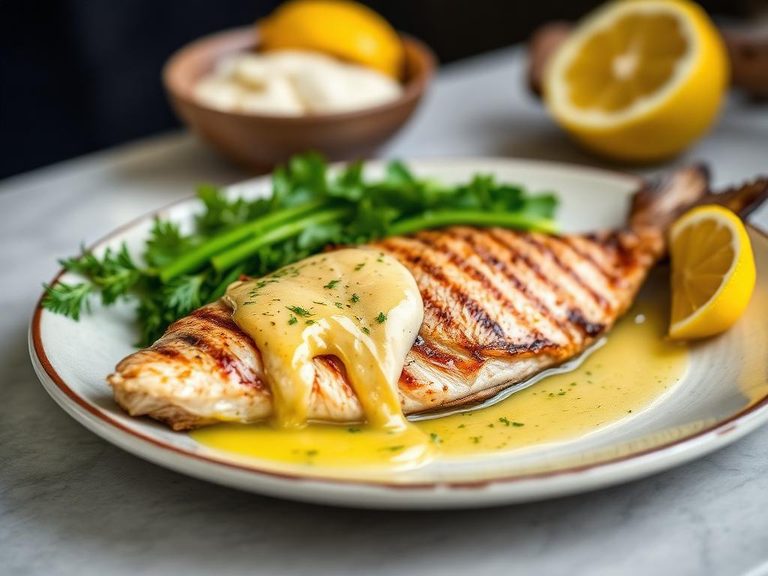
🌍 Where it's eaten
💡 Did you know?
The world's oldest known winery, dating back about 6,000 years, was discovered in Armenia and produced white wine.
Full nutrition (USDA data · scales with serving)
| Water | 86.9 g |
| Energy | 82.0 kcal |
| Protein | 0.07 g |
| Total lipid (fat) | 0.00 g |
| Carbohydrate, by difference | 2.6 g |
| Fiber, total dietary | 0.00 g |
| Total Sugars | 0.96 g |
| Calcium, Ca | 9.0 mg |
| Iron, Fe | 0.27 mg |
| Magnesium, Mg | 10.0 mg |
| Phosphorus, P | 18.0 mg |
| Potassium, K | 71.0 mg |
| Sodium, Na | 5.0 mg |
| Zinc, Zn | 0.12 mg |
| Copper, Cu | 0.00 mg |
| Selenium, Se | 0.10 ug |
| Vitamin C, total ascorbic acid | 0.00 mg |
| Thiamin | 0.01 mg |
| Riboflavin | 0.01 mg |
| Niacin | 0.11 mg |
| Vitamin B-6 | 0.05 mg |
| Folate, total | 1.0 ug |
| Folic acid | 0.00 ug |
| Folate, food | 1.0 ug |
| Folate, DFE | 1.0 ug |
| Choline, total | 4.3 mg |
| Vitamin B-12 | 0.00 ug |
| Vitamin B-12, added | 0.00 ug |
| Vitamin A, RAE | 0.00 ug |
| Retinol | 0.00 ug |
| Carotene, beta | 0.00 ug |
| Carotene, alpha | 0.00 ug |
| Cryptoxanthin, beta | 0.00 ug |
| Lycopene | 0.00 ug |
| Lutein + zeaxanthin | 0.00 ug |
| Vitamin E (alpha-tocopherol) | 0.00 mg |
| Vitamin E, added | 0.00 mg |
| Vitamin D (D2 + D3) | 0.00 ug |
| Vitamin K (phylloquinone) | 0.40 ug |
| Alcohol, ethyl | 10.3 g |
| Caffeine | 0.00 mg |
| Theobromine | 0.00 mg |
Fat & fatty acid profile (per 100g)
| Fatty acids, total saturated | 0.00 g |
| SFA 4:0 | 0.00 g |
| SFA 6:0 | 0.00 g |
| SFA 8:0 | 0.00 g |
| SFA 10:0 | 0.00 g |
| SFA 12:0 | 0.00 g |
| SFA 14:0 | 0.00 g |
| SFA 16:0 | 0.00 g |
| SFA 18:0 | 0.00 g |
| Fatty acids, total monounsaturated | 0.00 g |
| MUFA 16:1 | 0.00 g |
| MUFA 18:1 | 0.00 g |
| MUFA 20:1 | 0.00 g |
| MUFA 22:1 | 0.00 g |
| Fatty acids, total polyunsaturated | 0.00 g |
| PUFA 18:2 | 0.00 g |
| PUFA 18:3 | 0.00 g |
| PUFA 18:4 | 0.00 g |
| PUFA 20:4 | 0.00 g |
| PUFA 20:5 n-3 (EPA) | 0.00 g |
| PUFA 22:5 n-3 (DPA) | 0.00 g |
| PUFA 22:6 n-3 (DHA) | 0.00 g |
| Cholesterol | 0.00 mg |
FAQ
How does white wine differ nutritionally from red wine?
White wine generally has slightly fewer calories and less resveratrol than red wine, as it is fermented without grape skins, which are a key source of antioxidants.
Can white wine be part of a low-sugar diet?
Dry white wines like Pinot Grigio or Sauvignon Blanc have minimal residual sugar (under 1g per serving), making them suitable for low-sugar diets when consumed in moderation.
What is the best way to store opened white wine?
Re-cork it tightly and refrigerate it; most white wines will stay fresh for 3-5 days when chilled, slowing oxidation and preserving flavor.
Nutrient density (calculated · NRF9.3)
Nutrient Rich Foods index: beneficial nutrients (protein, fiber, vitamins, minerals) minus saturated fat, added sugar & sodium, per 100 kcal.
NRF9.3 index — Fulgoni, Keast & Drewnowski, 2009. Computed from USDA nutrients.
Weight-loss friendliness (composite index)
Energy density 0.82 kcal/g · 0% calories from protein · 0.0 g fiber · 1.0 g sugar per 100 g.
Composite of energy density (Rolls et al., 1999), protein & fiber satiety, minus sugar. A calculated heuristic — ranks satiety-per-calorie, not a clinical measure.
Dietary load (calculated from USDA values)
Potential renal acid load. Positive = acid-forming, negative = alkaline-forming.
Sodium-to-potassium ratio: 0.07 (lower is better — aim for ≤ 1)
Sodium:potassium per WHO potassium guidance. Computed from USDA nutrients.