

Vegetable oil-butter spread, reduced calorie
Whole food · Fats and Oils

Photo: Wikipedia
A soft, creamy blend of vegetable oil and butter designed to mimic the rich flavor of butter with significantly fewer calories and zero cholesterol. It spreads easily from the fridge, offering a mild, slightly salty, and buttery taste with a smooth, melt-in-the-mouth texture. Nutritionally, it's almost entirely fat, providing a dense source of energy without any protein, carbohydrates, or fiber.
Calorie split: 0% protein · 0% carbs · 100% fat
↓ Full nutrition💚 Why it's loved
People love it for its buttery flavor and creamy texture without the full guilt of butter, making it a staple for toast, baking, and cooking. Its versatility in both sweet and savory dishes and its easy spreadability make it a convenient kitchen staple.
⚠️ Watch-outs & how to enjoy it better
As it is almost pure fat (53g per 100g), it is very calorie-dense and can contribute to weight gain if used excessively. It often contains added sodium and may include emulsifiers or artificial flavors that some prefer to avoid. To counteract this, practice strict portion control (e.g., 1 teaspoon per serving) and pair it with fiber-rich foods like whole-grain toast or vegetables to promote satiety.
Key benefits
- Lower in calories and saturated fat than full-fat butter
- Contains no cholesterol
- Provides a source of essential fatty acids from vegetable oil
- Spreads easily even when cold, offering convenience
- Can be used in baking as a butter substitute for lighter results
🍽️ Popular dishes
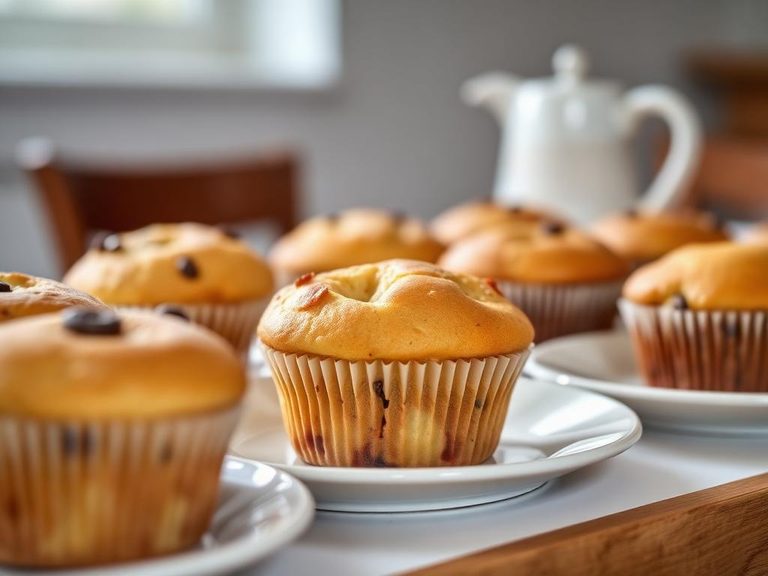
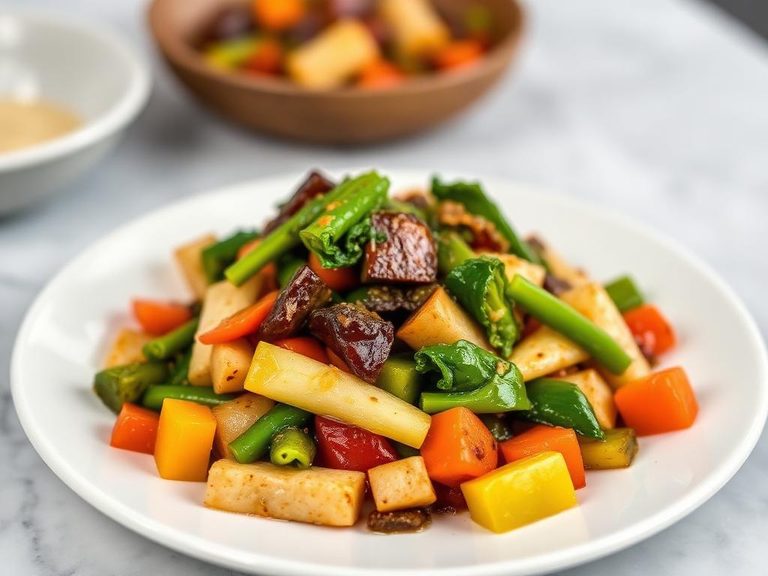
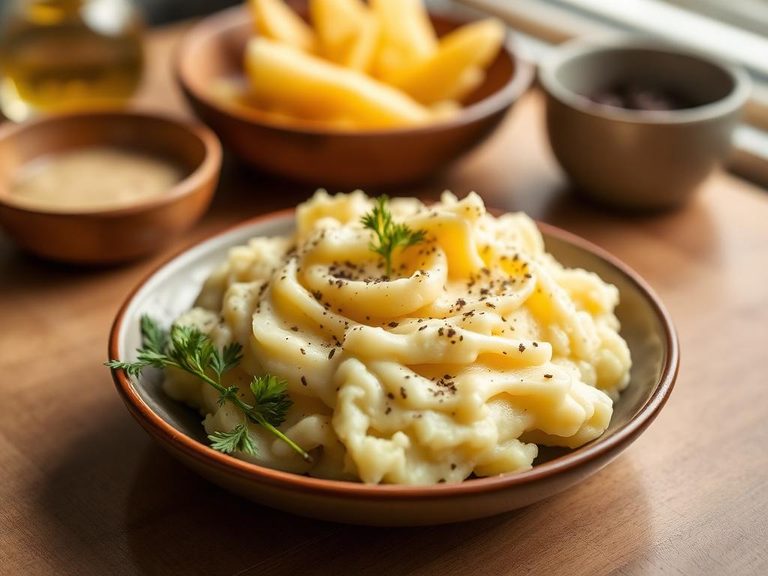
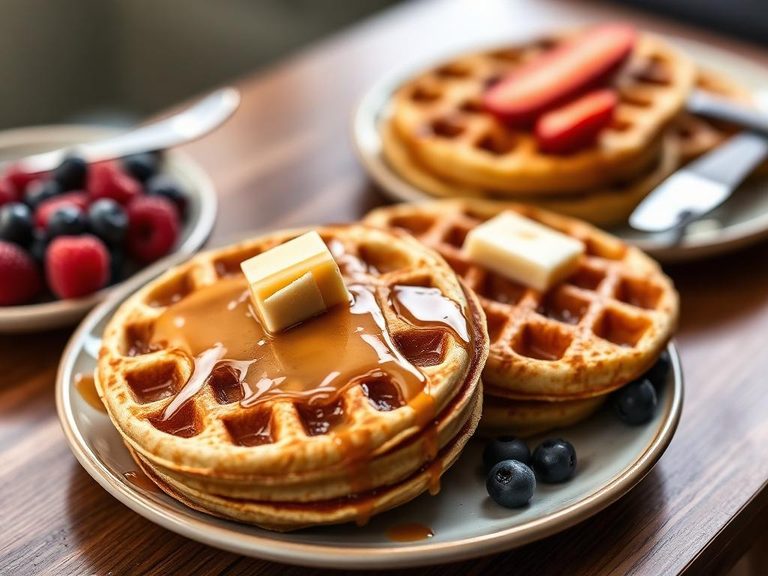
🌍 Where it's eaten
💡 Did you know?
The invention of the first vegetable-oil-based butter substitute, margarine, was spurred by a competition from Napoleon III in the 1860s to create a cheap butter alternative for his army and the lower classes.
Full nutrition (USDA data · scales with serving)
| Water | 44.7 g |
| Energy | 465 kcal |
| Energy | 1946 kj |
| Protein | 0.00 g |
| Total lipid (fat) | 53.0 g |
| Ash | 2.3 g |
| Carbohydrate, by difference | 0.00 g |
| Fiber, total dietary | 0.00 g |
| Total Sugars | 0.00 g |
| Calcium, Ca | 6.0 mg |
| Iron, Fe | 0.04 mg |
| Magnesium, Mg | 0.00 mg |
| Phosphorus, P | 10.0 mg |
| Potassium, K | 6.0 mg |
| Sodium, Na | 581 mg |
| Zinc, Zn | 0.01 mg |
| Copper, Cu | 0.00 mg |
| Selenium, Se | 0.50 ug |
| Vitamin C, total ascorbic acid | 0.00 mg |
| Thiamin | 0.00 mg |
| Riboflavin | 0.01 mg |
| Niacin | 0.01 mg |
| Vitamin B-6 | 0.00 mg |
| Folate, total | 1.0 ug |
| Folic acid | 0.00 ug |
| Folate, food | 1.0 ug |
| Folate, DFE | 1.0 ug |
| Choline, total | 6.5 mg |
| Vitamin B-12 | 0.00 ug |
| Vitamin B-12, added | 0.00 ug |
| Vitamin A, RAE | 819 ug |
| Retinol | 768 ug |
| Carotene, beta | 610 ug |
| Carotene, alpha | 0.00 ug |
| Cryptoxanthin, beta | 0.00 ug |
| Vitamin A, IU | 3577 iu |
| Lycopene | 0.00 ug |
| Lutein + zeaxanthin | 0.00 ug |
| Vitamin E (alpha-tocopherol) | 9.2 mg |
| Vitamin E, added | 0.00 mg |
| Vitamin D (D2 + D3), International Units | 0.00 iu |
| Vitamin D (D2 + D3) | 0.00 ug |
| Vitamin K (phylloquinone) | 61.1 ug |
| Alcohol, ethyl | 0.00 g |
| Caffeine | 0.00 mg |
| Theobromine | 0.00 mg |
Fat & fatty acid profile (per 100g)
| Fatty acids, total saturated | 17.9 g |
| SFA 4:0 | 0.71 g |
| SFA 6:0 | 0.46 g |
| SFA 8:0 | 0.30 g |
| SFA 10:0 | 0.66 g |
| SFA 12:0 | 0.76 g |
| SFA 14:0 | 2.1 g |
| SFA 16:0 | 9.0 g |
| SFA 18:0 | 4.0 g |
| Fatty acids, total monounsaturated | 20.8 g |
| MUFA 16:1 | 0.41 g |
| MUFA 18:1 | 20.2 g |
| MUFA 20:1 | 0.00 g |
| MUFA 22:1 | 0.00 g |
| Fatty acids, total polyunsaturated | 11.2 g |
| PUFA 18:2 | 10.7 g |
| PUFA 18:3 | 0.46 g |
| PUFA 18:4 | 0.00 g |
| PUFA 20:4 | 0.00 g |
| PUFA 20:5 n-3 (EPA) | 0.00 g |
| PUFA 22:5 n-3 (DPA) | 0.00 g |
| PUFA 22:6 n-3 (DHA) | 0.00 g |
| Cholesterol | 54.0 mg |
FAQ
Is vegetable oil-butter spread the same as margarine?
While similar, they are not identical. Margarine is typically made from hydrogenated vegetable oils, while a 'vegetable oil-butter spread' often contains a blend of vegetable oil and some actual butter or butter flavoring, and may have different emulsifiers and additives.
Can I use it for baking instead of butter?
Yes, it can be used as a 1:1 substitute for butter in many recipes, especially for cookies and cakes. However, it has a higher water content, which can affect the texture, making baked goods slightly lighter or less flaky.
Is it healthier than butter?
It is lower in calories, saturated fat, and cholesterol than butter, but it is still a high-fat food. The healthiness depends on the overall diet and portion sizes. It's often considered a better choice for heart health when used in moderation.
Nutrient density (calculated · NRF9.3)
Nutrient Rich Foods index: beneficial nutrients (protein, fiber, vitamins, minerals) minus saturated fat, added sugar & sodium, per 100 kcal.
NRF9.3 index — Fulgoni, Keast & Drewnowski, 2009. Computed from USDA nutrients.
Weight-loss friendliness (composite index)
Energy density 4.65 kcal/g · 0% calories from protein · 0.0 g fiber · 0.0 g sugar per 100 g.
Composite of energy density (Rolls et al., 1999), protein & fiber satiety, minus sugar. A calculated heuristic — ranks satiety-per-calorie, not a clinical measure.
Dietary load (calculated from USDA values)
Potential renal acid load. Positive = acid-forming, negative = alkaline-forming.
Sodium-to-potassium ratio: 96.83 (lower is better — aim for ≤ 1)
Sodium:potassium per WHO potassium guidance. Computed from USDA nutrients.