

Veal, breast, separable fat, cooked
Whole food · Lamb, Veal, and Game Products

Photo: Wikipedia
This is the rendered, separable fat from a veal breast, a culinary fat prized for its clean, mild flavor and high smoke point. When cooked, it yields a smooth, silky texture with a subtle, sweet richness that doesn't overpower other ingredients. Nutritionally, it is a concentrated source of energy, providing over 500 calories and 53 grams of fat per 100g, with negligible protein or carbohydrates.
Calorie split: 7% protein · 0% carbs · 93% fat
↓ Full nutrition💚 Why it's loved
Chefs and home cooks cherish it for its ability to impart a deep, savory richness and luxurious texture to dishes without the strong flavor of some other animal fats. It's a cornerstone of traditional European charcuterie and slow-cooked meat preparations, valued for its versatility in both savory and pastry applications.
⚠️ Watch-outs & how to enjoy it better
As a pure fat, it is extremely calorie-dense and should be used sparingly by those monitoring energy intake. It is high in saturated fat, so individuals managing cholesterol levels should consider it an occasional ingredient. To counteract this, use it as a flavoring agent rather than a primary cooking fat, and pair dishes containing it with large portions of fiber-rich vegetables to promote satiety.
Key benefits
- Excellent source of high-energy fuel for cooking.
- Provides a high smoke point for searing and frying.
- Adds a rich, silky mouthfeel to sauces and braises.
- Source of fat-soluble vitamins like Vitamin A and K2.
- Traditional ingredient for authentic flavor in certain cuisines.
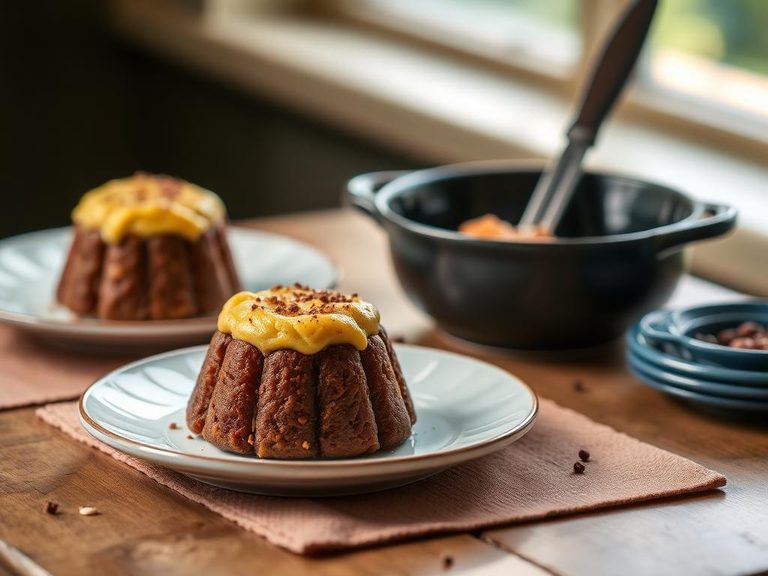
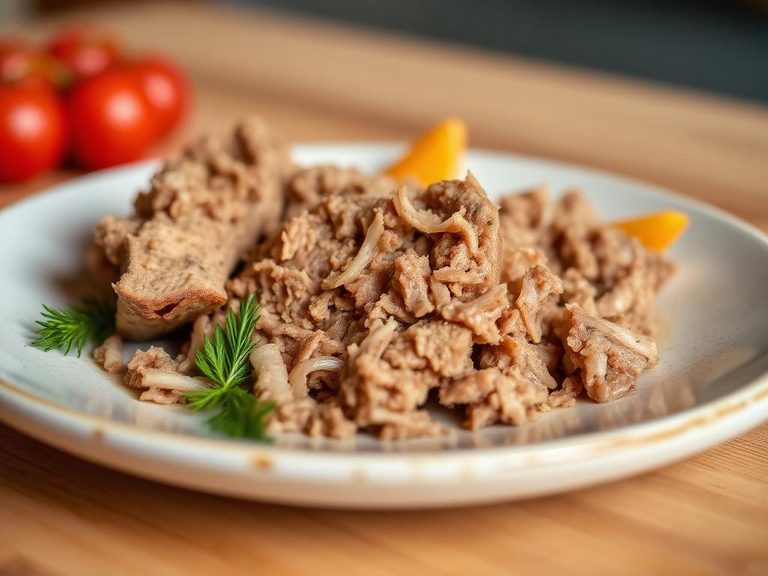
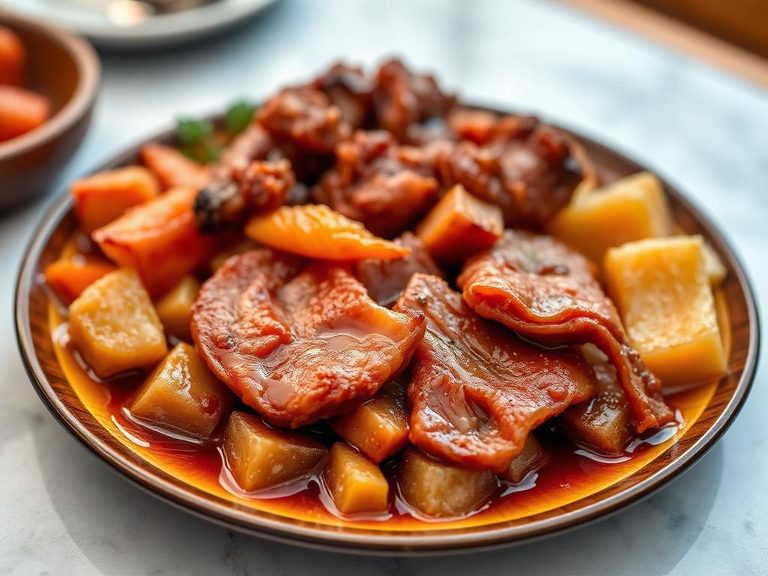
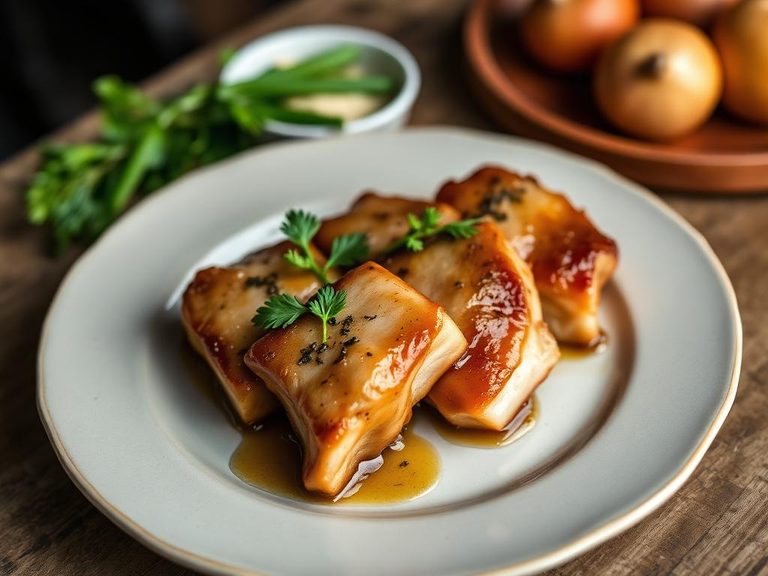
🍽️ Popular dishes
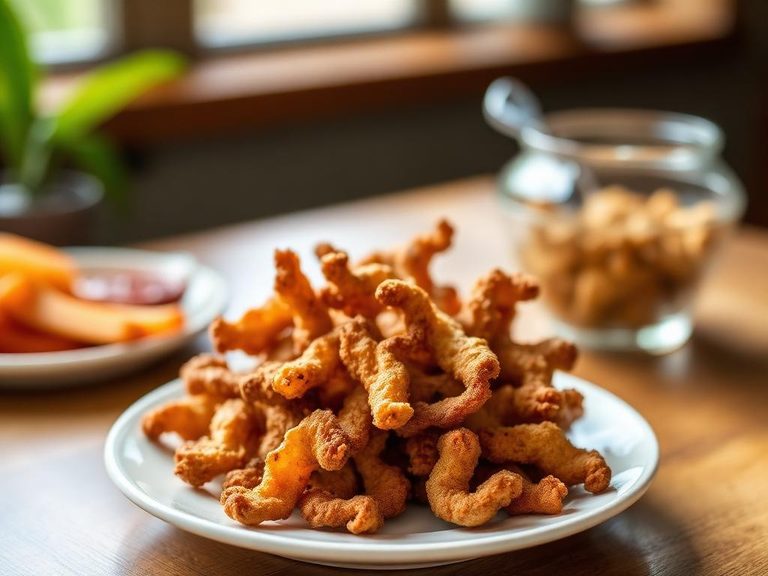
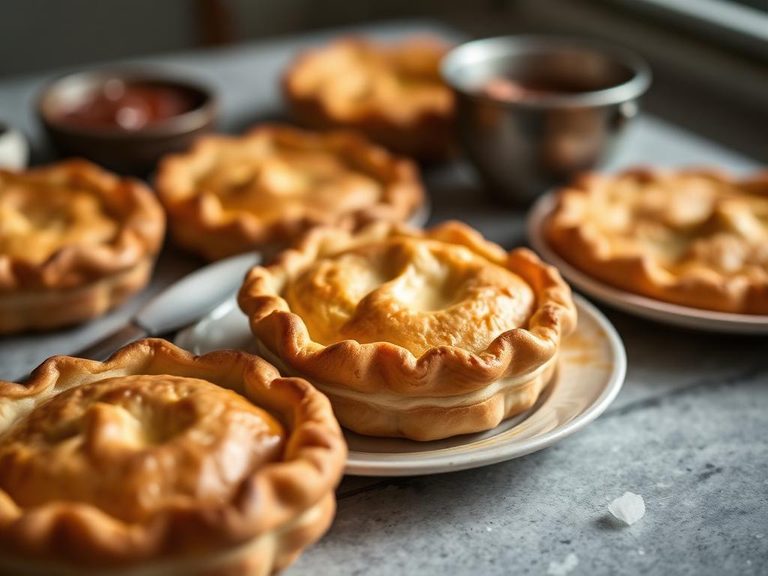
🌍 Where it's eaten
💡 Did you know?
Rendered veal fat, like other suets, has a unique crystalline structure that makes it ideal for creating exceptionally flaky and tender pastry crusts, a technique prized in traditional British baking.
Full nutrition (USDA data · scales with serving)
| Water | 36.1 g |
| Energy | 521 kcal |
| Energy | 2180 kj |
| Protein | 9.4 g |
| Total lipid (fat) | 53.4 g |
| Ash | 0.45 g |
| Carbohydrate, by difference | 0.00 g |
| Fiber, total dietary | 0.00 g |
| Calcium, Ca | 6.0 mg |
| Iron, Fe | 0.45 mg |
| Magnesium, Mg | 10.0 mg |
| Phosphorus, P | 102 mg |
| Potassium, K | 181 mg |
| Sodium, Na | 49.0 mg |
| Zinc, Zn | 0.76 mg |
| Copper, Cu | 0.04 mg |
| Manganese, Mn | 0.01 mg |
| Selenium, Se | 5.5 ug |
| Thiamin | 0.02 mg |
| Riboflavin | 0.12 mg |
| Niacin | 2.8 mg |
| Pantothenic acid | 0.45 mg |
| Vitamin B-6 | 0.11 mg |
| Folate, total | 5.0 ug |
| Folic acid | 0.00 ug |
| Folate, food | 5.0 ug |
| Folate, DFE | 5.0 ug |
| Vitamin B-12 | 0.55 ug |
Fat & fatty acid profile (per 100g)
| Fatty acids, total saturated | 21.4 g |
| SFA 12:0 | 0.35 g |
| SFA 14:0 | 3.3 g |
| SFA 16:0 | 12.5 g |
| SFA 18:0 | 4.9 g |
| Fatty acids, total monounsaturated | 26.4 g |
| MUFA 16:1 | 2.4 g |
| MUFA 18:1 | 22.8 g |
| MUFA 20:1 | 0.22 g |
| Fatty acids, total polyunsaturated | 2.9 g |
| PUFA 18:2 | 2.6 g |
| PUFA 18:3 | 0.17 g |
| PUFA 20:4 | 0.00 g |
| Cholesterol | 95.0 mg |
Amino acid profile (per 100g)
| Tryptophan | 0.10 g |
| Threonine | 0.41 g |
| Isoleucine | 0.46 g |
| Leucine | 0.75 g |
| Lysine | 0.78 g |
| Methionine | 0.22 g |
| Cystine | 0.11 g |
| Phenylalanine | 0.38 g |
| Tyrosine | 0.30 g |
| Valine | 0.52 g |
| Arginine | 0.55 g |
| Histidine | 0.34 g |
| Alanine | 0.56 g |
| Aspartic acid | 0.81 g |
| Glutamic acid | 1.5 g |
| Glycine | 0.48 g |
| Proline | 0.39 g |
| Serine | 0.35 g |
FAQ
How is veal breast fat different from beef suet?
Veal breast fat comes from a younger animal, so it has a milder, sweeter flavor and a slightly softer texture when rendered compared to the firmer, more robust-flavored suet from adult beef.
Can I use it for deep-frying?
Yes, its high smoke point makes it suitable for deep-frying, imparting a subtle richness. However, due to its cost and calorie density, it's more commonly used for sautéing, basting, or as a flavor base.
Is it the same as lard?
No. Lard is rendered pork fat, typically from the belly or back. Veal breast fat is specifically from the breast area of a young cow and has a distinct, albeit subtle, flavor profile.
Nutrient density (calculated · NRF9.3)
Nutrient Rich Foods index: beneficial nutrients (protein, fiber, vitamins, minerals) minus saturated fat, added sugar & sodium, per 100 kcal.
NRF9.3 index — Fulgoni, Keast & Drewnowski, 2009. Computed from USDA nutrients.
Weight-loss friendliness (composite index)
Energy density 5.21 kcal/g · 7% calories from protein · 0.0 g fiber · 0.0 g sugar per 100 g.
Composite of energy density (Rolls et al., 1999), protein & fiber satiety, minus sugar. A calculated heuristic — ranks satiety-per-calorie, not a clinical measure.
Dietary load (calculated from USDA values)
Potential renal acid load. Positive = acid-forming, negative = alkaline-forming.
Sodium-to-potassium ratio: 0.27 (lower is better — aim for ≤ 1)
Sodium:potassium per WHO potassium guidance. Computed from USDA nutrients.