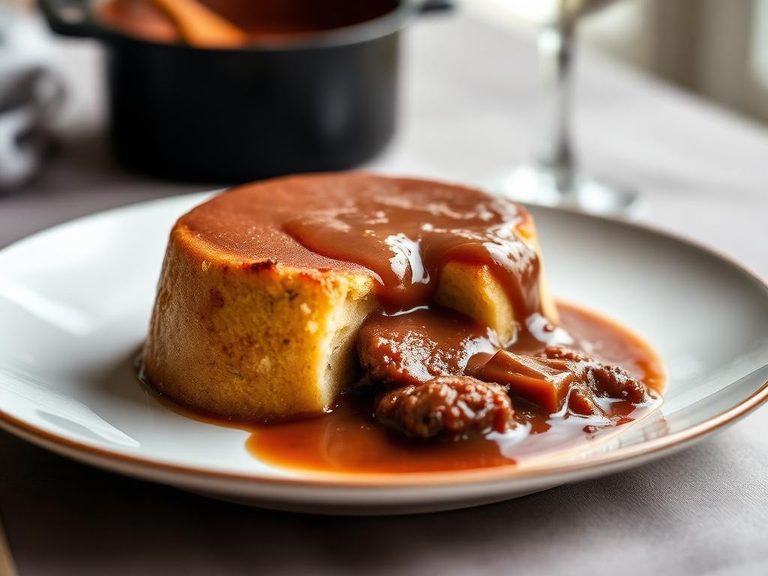
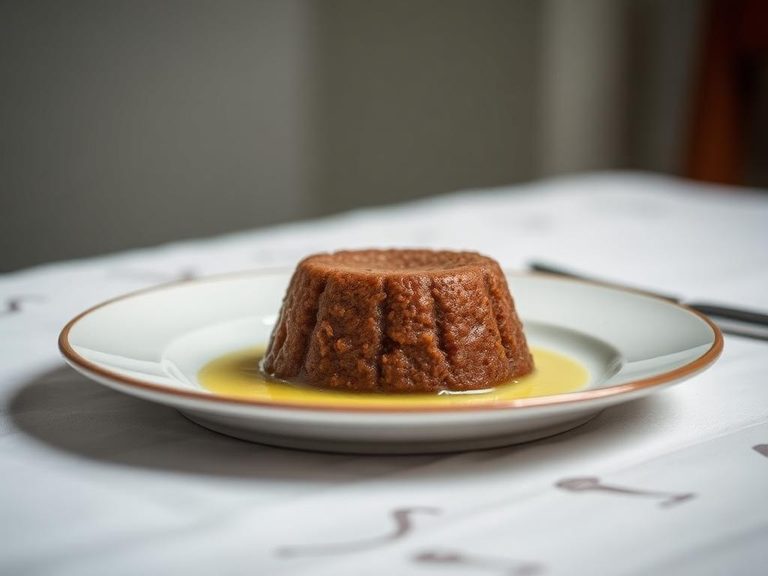
Suet Puddings

Suet Puddings are a classic British steamed dessert, traditionally made with a filling of fruit, jam, or treacle encased in a suet pastry crust. The pastry is distinctively light and fluffy, thanks to the use of beef or mutton suet, which melts during steaming to create a tender texture. They are a staple of traditional British comfort food, often served hot with custard or cream.
🍽️ Nutrition at a glance
Suet puddings are high in calories and fat, primarily from the suet in the pastry, with a significant carbohydrate content from flour and any sweet fillings. A typical serving can range from 400 to 600 calories, providing energy but limited in essential vitamins and minerals beyond some iron and B vitamins from the suet.
Nutrition breakdown
| Calories | 420 kcal |
| Protein | 8 g |
| Carbs | 55 g |
| Fat | 20 g |
| Fiber | 2 g |
| Sugar | 18 g |
| Sodium | 380 mg |
| Iron | 4.2 mg |
| Calcium | 120 mg |
| Potassium | 250 mg |
| Phosphorus | 150 mg |
| Vitamin B1 (Thiamin) | 0.3 mg |
| Vitamin B2 (Riboflavin) | 0.2 mg |
| Niacin (B3) | 2.5 mg |
| Folate | 45 mcg |
Per 1 pudding (150 g) · estimated, varies by recipe
💡 What's interesting
Historically, suet puddings were a practical and filling meal for working-class families in Britain, evolving from savory dishes to the sweet versions popular today. The use of suet is a unique culinary technique that gives these puddings their characteristic richness and has been a part of British cuisine for centuries.