Instant dessert puddings
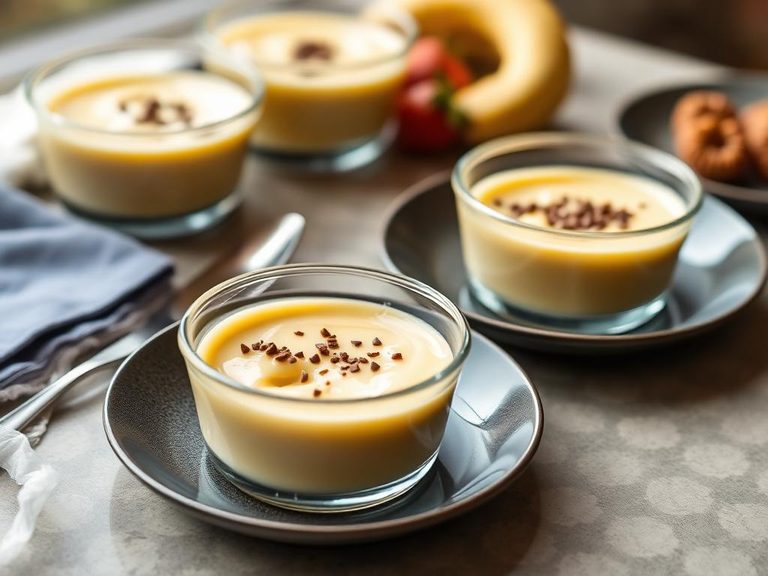
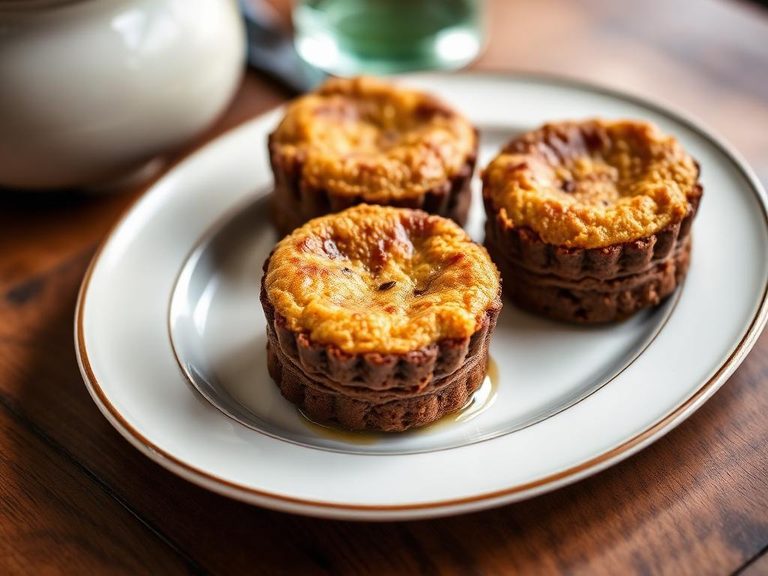
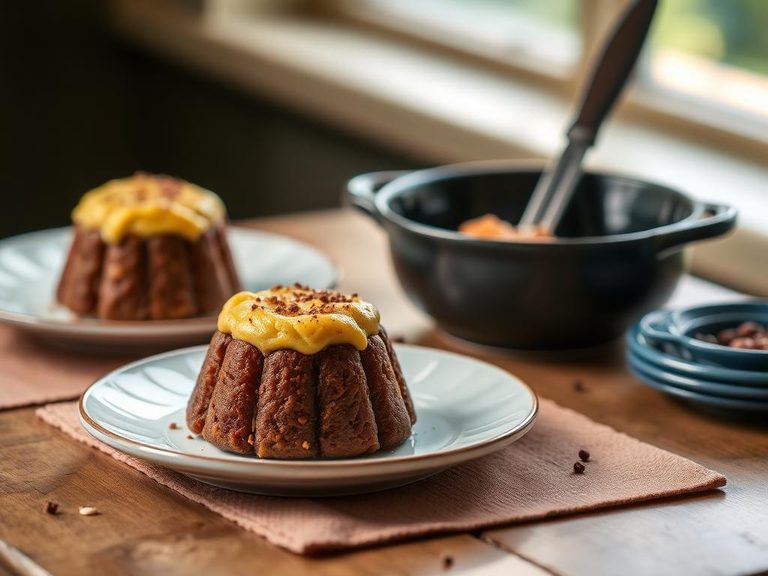
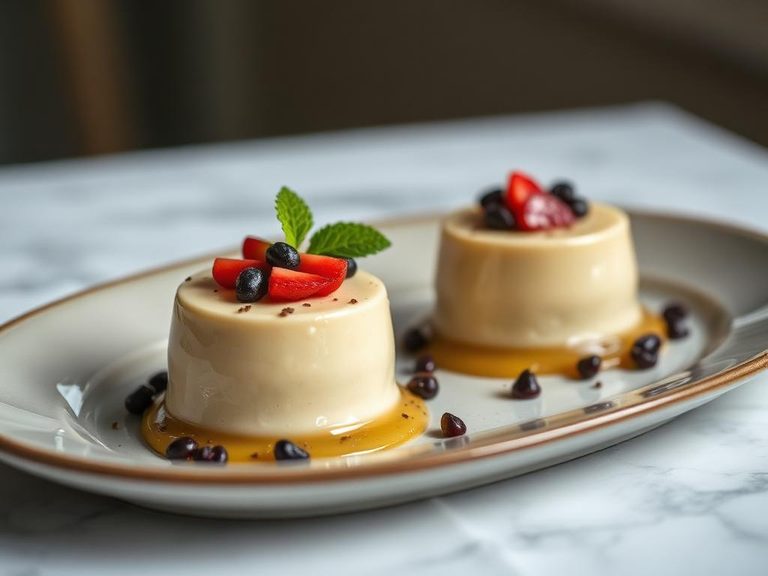
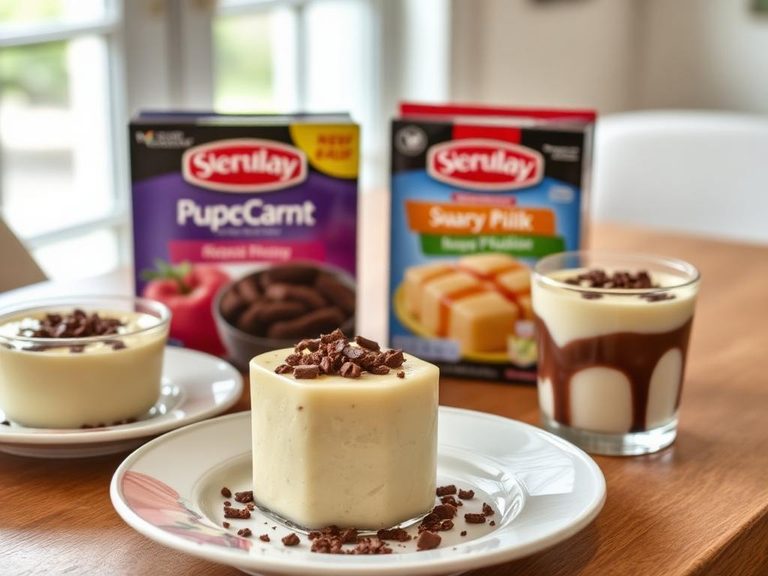
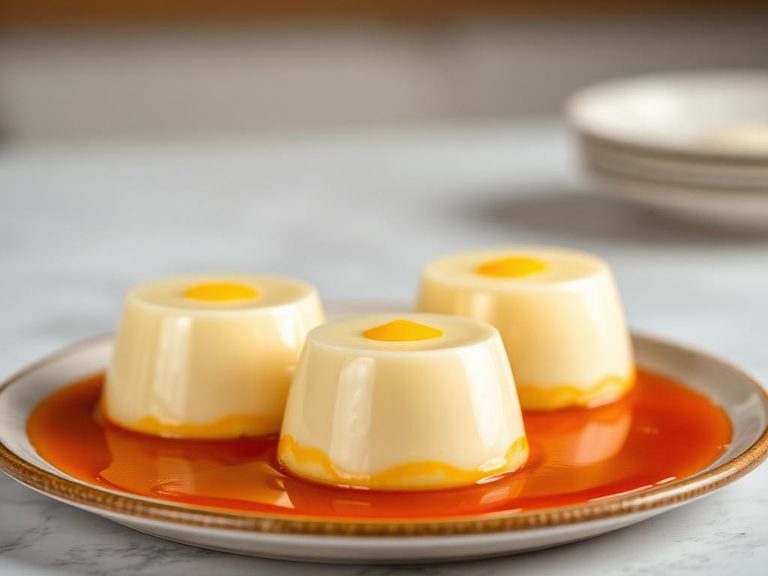
Instant dessert puddings are a convenient, ready-to-eat or quick-prep sweet treat, typically made from a powdered mix of sugar, thickeners like cornstarch, and flavorings such as vanilla or chocolate. Originating as a popular convenience food in the 20th century, they are a staple in many households for their ease and comforting, creamy texture.
🍽️ Nutrition at a glance
This dish is primarily a source of carbohydrates, especially from added sugars, with a moderate amount of fat and very little protein. A standard serving provides a quick energy boost and can offer small amounts of calcium and iron, but is generally considered an indulgent treat rather than a nutrient-dense food.
Nutrition breakdown
| Calories | 150 kcal |
| Protein | 2 g |
| Carbs | 28 g |
| Fat | 3 g |
| Fiber | 0 g |
| Sugar | 20 g |
| Sodium | 190 mg |
| Calcium | 100 mg |
| Iron | 1 mg |
| Potassium | 120 mg |
| Phosphorus | 80 mg |
| Vitamin D | 0.5 mcg |
| Thiamin (B1) | 0.1 mg |
| Niacin (B3) | 1 mg |
| Vitamin B12 | 0.3 mcg |
Per 1 package prepared (113 g) · estimated, varies by recipe
💡 What's interesting
Culturally, instant puddings represent the rise of processed convenience foods in post-war America, symbolizing a shift towards quick, no-cook desserts. Nutritionally, they are a classic example of a 'discretionary calorie' food, where the enjoyment comes largely from taste and texture rather than significant nutritional benefit.