

Textured vegetable protein, dry
Common food

Photo: Wikipedia
Textured vegetable protein (TVP) is a dehydrated, soy-based meat substitute with a chewy, fibrous texture that mimics ground meat when rehydrated. It has a neutral, slightly nutty flavor that readily absorbs marinades and seasonings. Nutritionally, it's a powerhouse, packing over 50g of protein per 100g with minimal fat.
Calorie split: 56% protein · 36% carbs · 8% fat
↓ Full nutrition💚 Why it's loved
People love TVT for its incredible ability to mimic the texture of ground meat in dishes like chili, tacos, and bolognese, making it a staple for vegetarians and budget-conscious cooks alike. Its neutral taste acts as a blank canvas, perfectly soaking up rich sauces and spices.
⚠️ Watch-outs & how to enjoy it better
Some find its texture spongy or overly processed if not prepared well, and its high fiber content can cause digestive discomfort if introduced too quickly. It is a common allergen (soy) and can be high in sodium depending on the brand. To counteract, start with small portions, rinse after rehydrating to reduce sodium, and always pair it with a fat source like avocado or olive oil to aid nutrient absorption and improve mouthfeel.
Key benefits
- Extremely high in protein for muscle maintenance and satiety.
- Very low in fat and a good source of dietary fiber.
- Long shelf life and cost-effective compared to meat.
- Highly versatile, absorbing flavors of any dish it's added to.
- A complete protein when paired with a grain like rice or corn.
🍽️ Popular dishes

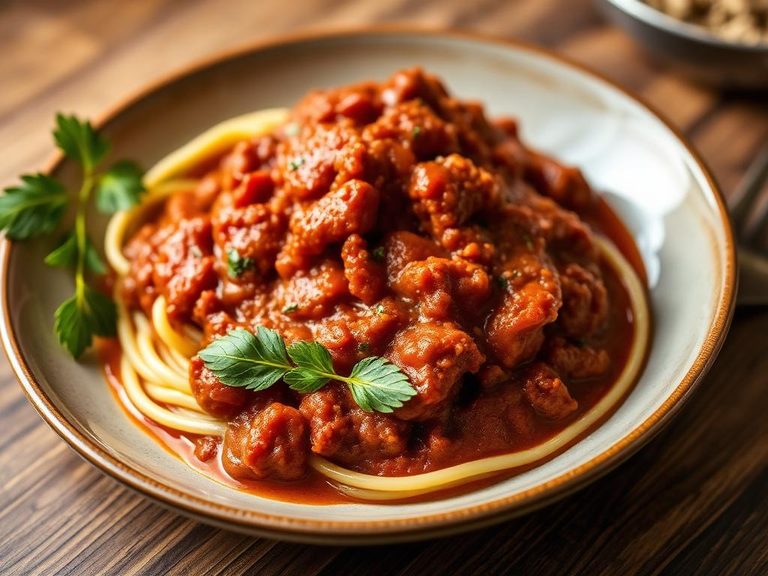
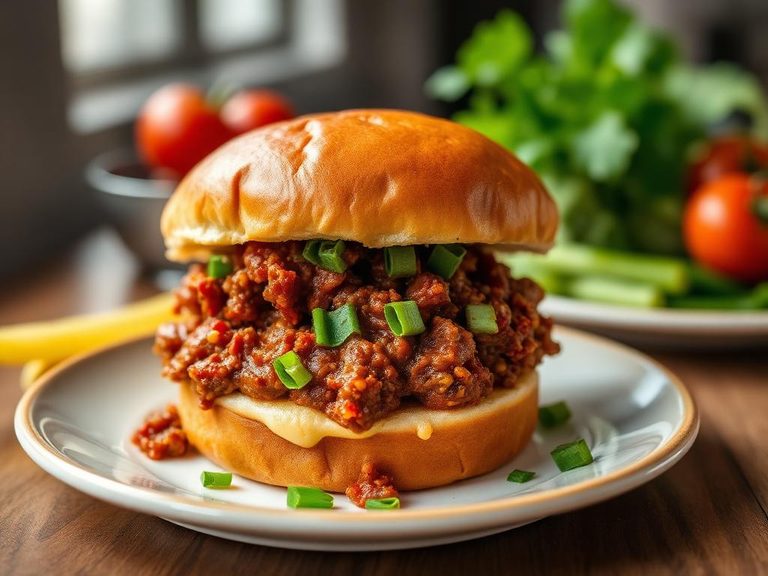
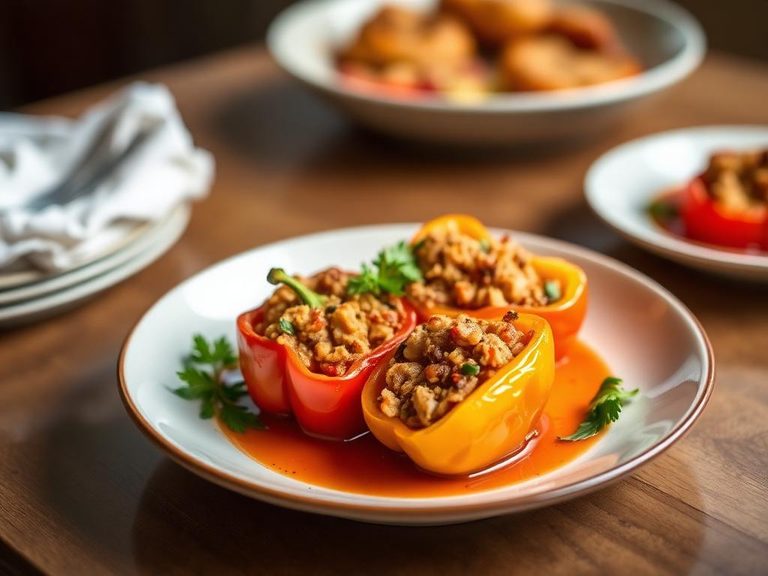
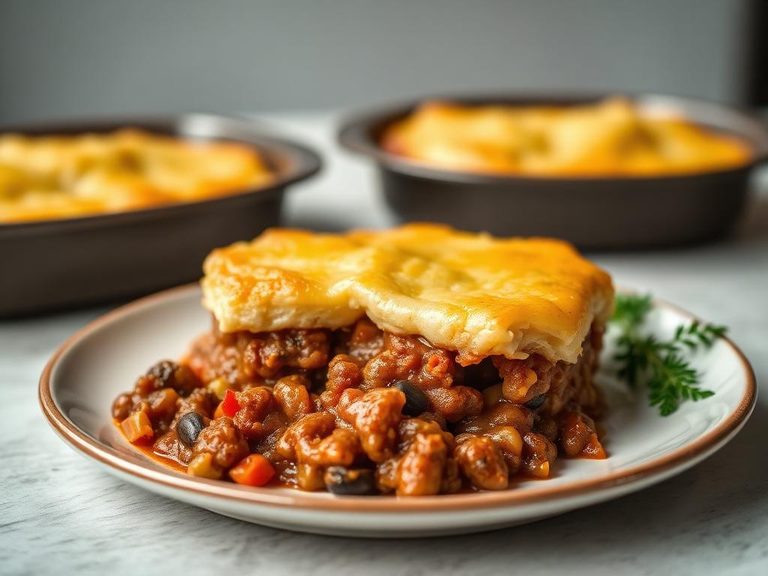
🌍 Where it's eaten
💡 Did you know?
TVP was invented in the 1960s by food scientist Robert Boyer at Archer Daniels Midland, originally as a way to use up soy flour leftovers from oil extraction.
Full nutrition (USDA data · scales with serving)
| Water | 6.2 g |
| Energy | 366 kcal |
| Protein | 51.1 g |
| Total lipid (fat) | 3.3 g |
| Carbohydrate, by difference | 32.9 g |
| Fiber, total dietary | 17.5 g |
| Total Sugars | 16.4 g |
| Calcium, Ca | 338 mg |
| Iron, Fe | 7.3 mg |
| Magnesium, Mg | 313 mg |
| Phosphorus, P | 726 mg |
| Potassium, K | 2480 mg |
| Sodium, Na | 2.0 mg |
| Zinc, Zn | 4.4 mg |
| Copper, Cu | 1.5 mg |
| Selenium, Se | 45.8 ug |
| Vitamin C, total ascorbic acid | 0.00 mg |
| Thiamin | 0.54 mg |
| Riboflavin | 0.30 mg |
| Niacin | 3.4 mg |
| Vitamin B-6 | 0.62 mg |
| Folate, total | 305 ug |
| Folic acid | 0.00 ug |
| Folate, food | 305 ug |
| Folate, DFE | 305 ug |
| Choline, total | 11.3 mg |
| Vitamin B-12 | 0.00 ug |
| Vitamin B-12, added | 0.00 ug |
| Vitamin A, RAE | 2.0 ug |
| Retinol | 0.00 ug |
| Carotene, beta | 24.0 ug |
| Carotene, alpha | 0.00 ug |
| Cryptoxanthin, beta | 0.00 ug |
| Lycopene | 0.00 ug |
| Lutein + zeaxanthin | 0.00 ug |
| Vitamin E (alpha-tocopherol) | 0.12 mg |
| Vitamin E, added | 0.00 mg |
| Vitamin D (D2 + D3) | 0.00 ug |
| Vitamin K (phylloquinone) | 4.1 ug |
| Alcohol, ethyl | 0.00 g |
| Caffeine | 0.00 mg |
| Theobromine | 0.00 mg |
Fat & fatty acid profile (per 100g)
| Fatty acids, total saturated | 0.14 g |
| SFA 4:0 | 0.00 g |
| SFA 6:0 | 0.00 g |
| SFA 8:0 | 0.00 g |
| SFA 10:0 | 0.00 g |
| SFA 12:0 | 0.00 g |
| SFA 14:0 | 0.00 g |
| SFA 16:0 | 0.10 g |
| SFA 18:0 | 0.03 g |
| Fatty acids, total monounsaturated | 0.21 g |
| MUFA 16:1 | 0.00 g |
| MUFA 18:1 | 0.21 g |
| MUFA 20:1 | 0.00 g |
| MUFA 22:1 | 0.00 g |
| Fatty acids, total polyunsaturated | 0.53 g |
| PUFA 18:2 | 0.47 g |
| PUFA 18:3 | 0.06 g |
| PUFA 18:4 | 0.00 g |
| PUFA 20:4 | 0.00 g |
| PUFA 20:5 n-3 (EPA) | 0.00 g |
| PUFA 22:5 n-3 (DPA) | 0.00 g |
| PUFA 22:6 n-3 (DHA) | 0.00 g |
| Cholesterol | 0.00 mg |
FAQ
How do I prepare dry TVP?
Rehydrate it by soaking in an equal volume of hot water or broth for 5-10 minutes until tender. Squeeze out excess liquid before using in recipes.
Is TVP gluten-free?
Pure TVP is gluten-free, but always check the label as some brands may process it in facilities that handle wheat or add flavorings containing gluten.
Can I eat TVP raw?
No, it must be rehydrated and cooked. Eating it dry can be a choking hazard and is difficult to digest.
Nutrient density (calculated · NRF9.3)
Nutrient Rich Foods index: beneficial nutrients (protein, fiber, vitamins, minerals) minus saturated fat, added sugar & sodium, per 100 kcal.
NRF9.3 index — Fulgoni, Keast & Drewnowski, 2009. Computed from USDA nutrients.
Weight-loss friendliness (composite index)
Energy density 3.66 kcal/g · 56% calories from protein · 17.5 g fiber · 16.4 g sugar per 100 g.
Composite of energy density (Rolls et al., 1999), protein & fiber satiety, minus sugar. A calculated heuristic — ranks satiety-per-calorie, not a clinical measure.
Dietary load (calculated from USDA values)
Potential renal acid load. Positive = acid-forming, negative = alkaline-forming.
Sodium-to-potassium ratio: 0.00 (lower is better — aim for ≤ 1)
Sodium:potassium per WHO potassium guidance. Computed from USDA nutrients.