

Spaghetti, protein-fortified, dry, enriched (n x 6.25)
Whole food · Cereal Grains and Pasta

Photo: Wikipedia
This is a specialized dry pasta engineered for athletes and health-conscious cooks, packing a significant protein punch into every strand. When cooked al dente, it maintains a firm, satisfying bite similar to traditional durum wheat pasta, but with a subtly denser, more substantial mouthfeel due to its protein fortification. Its standout feature is the impressive protein-to-carb ratio, making it a functional staple for muscle repair and sustained energy.
Calorie split: 24% protein · 71% carbs · 5% fat
↓ Full nutrition💚 Why it's loved
People love it for its ability to transform a simple pasta dish into a more nutritionally complete meal without a drastic change in flavor or texture. It's a favorite among fitness enthusiasts and busy families for its practicality, offering a familiar comfort food with a significant functional upgrade.
⚠️ Watch-outs & how to enjoy it better
Its dense texture can be less appealing to those who prefer a lighter, more delicate pasta, and the protein fortification sometimes imparts a faint, beany aftertaste to sensitive palates. For individuals managing blood sugar, the high carbohydrate content still requires mindful portioning; pairing it with non-starchy vegetables, lean protein, and healthy fats (like olive oil or avocado) can help moderate the glycemic response.
Key benefits
- Excellent source of high-quality protein for muscle maintenance and satiety.
- Provides complex carbohydrates for sustained energy release.
- Low in fat and a good source of dietary fiber.
- Enriched with essential vitamins and minerals like iron and B vitamins.
- A versatile base for creating balanced, nutrient-dense meals.
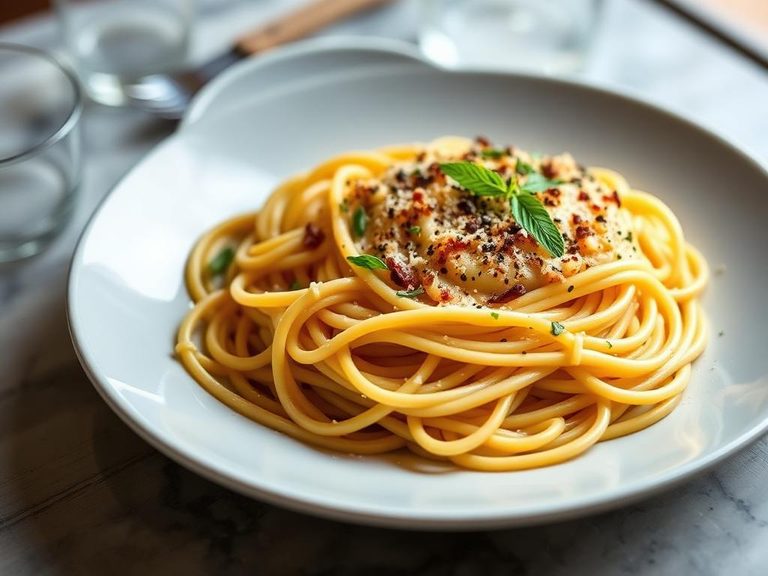
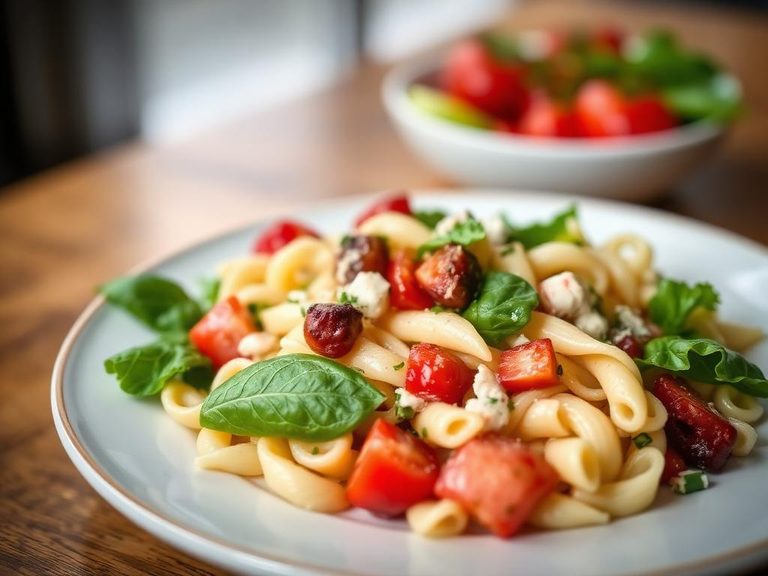
🍽️ Popular dishes
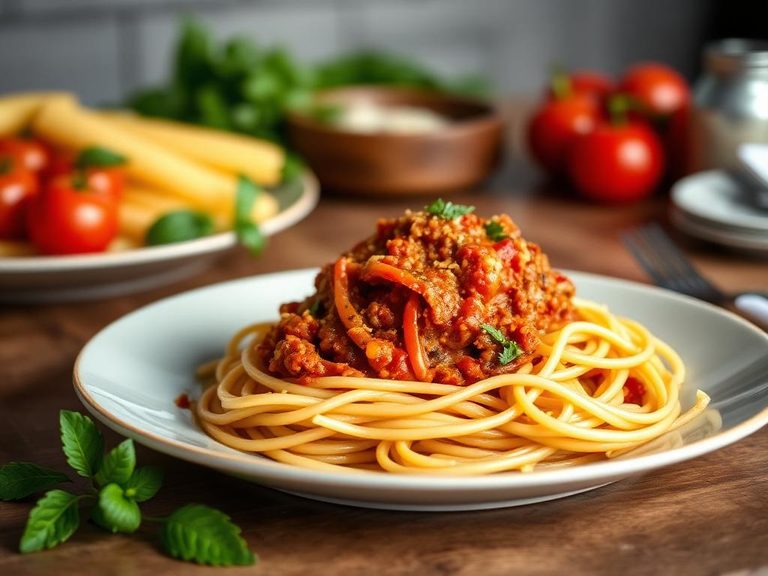
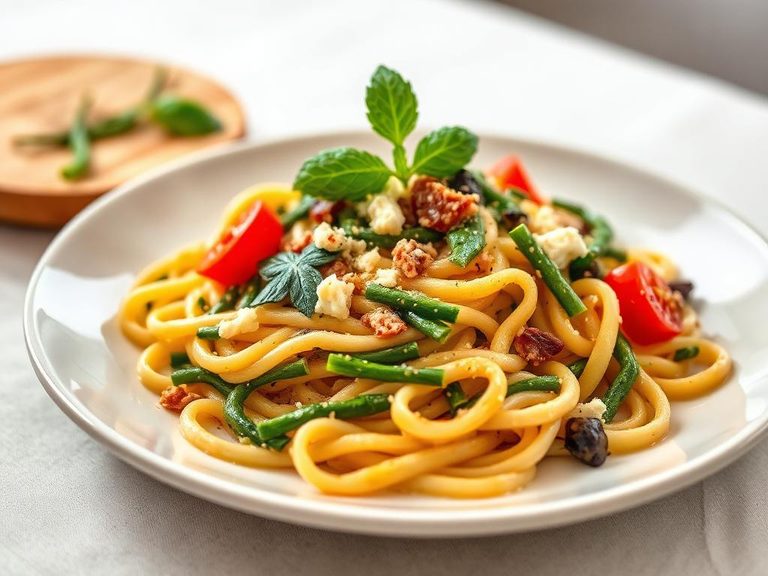
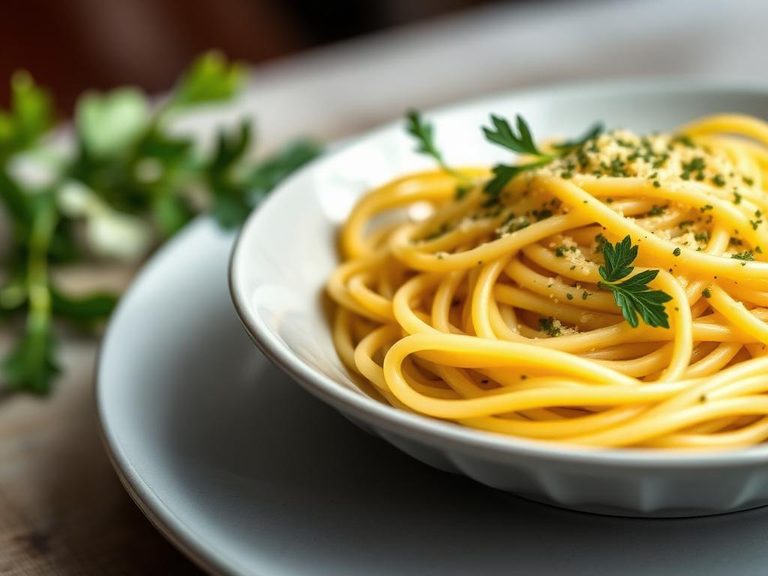
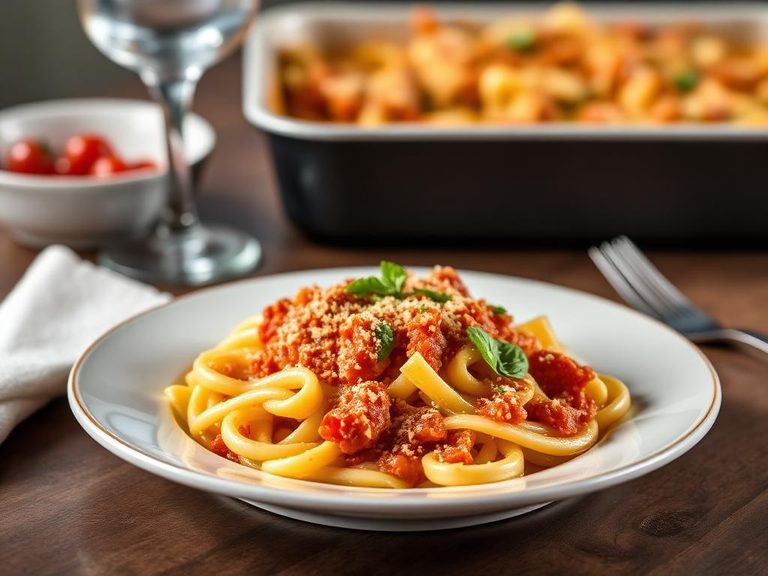
🌍 Where it's eaten
💡 Did you know?
The 'n x 6.25' in its technical name refers to the Kjeldahl method for determining protein content, where the measured nitrogen content is multiplied by 6.25 to estimate the total protein in the sample.
Full nutrition (USDA data · scales with serving)
| Water | 9.2 g |
| Energy | 374 kcal |
| Energy | 1565 kj |
| Protein | 21.8 g |
| Total lipid (fat) | 2.2 g |
| Ash | 1.1 g |
| Carbohydrate, by difference | 65.7 g |
| Fiber, total dietary | 2.4 g |
| Calcium, Ca | 39.0 mg |
| Iron, Fe | 4.2 mg |
| Magnesium, Mg | 65.0 mg |
| Phosphorus, P | 163 mg |
| Potassium, K | 201 mg |
| Sodium, Na | 8.0 mg |
| Zinc, Zn | 1.8 mg |
| Copper, Cu | 0.28 mg |
| Manganese, Mn | 0.91 mg |
| Vitamin C, total ascorbic acid | 0.00 mg |
| Thiamin | 1.2 mg |
| Riboflavin | 0.47 mg |
| Niacin | 7.7 mg |
| Pantothenic acid | 0.68 mg |
| Vitamin B-6 | 0.18 mg |
| Folate, total | 278 ug |
| Folic acid | 258 ug |
| Folate, food | 20.0 ug |
| Folate, DFE | 458 ug |
| Vitamin B-12 | 0.00 ug |
| Vitamin A, RAE | 0.00 ug |
| Retinol | 0.00 ug |
| Vitamin A, IU | 0.00 iu |
| Vitamin D (D2 + D3), International Units | 0.00 iu |
| Vitamin D (D2 + D3) | 0.00 ug |
Fat & fatty acid profile (per 100g)
| Fatty acids, total saturated | 0.33 g |
| SFA 14:0 | 0.00 g |
| SFA 16:0 | 0.29 g |
| SFA 18:0 | 0.03 g |
| Fatty acids, total monounsaturated | 0.27 g |
| MUFA 16:1 | 0.00 g |
| MUFA 18:1 | 0.27 g |
| Fatty acids, total polyunsaturated | 0.99 g |
| PUFA 18:2 | 0.89 g |
| PUFA 18:3 | 0.09 g |
| Cholesterol | 0.00 mg |
Amino acid profile (per 100g)
| Tryptophan | 0.25 g |
| Threonine | 0.56 g |
| Isoleucine | 0.78 g |
| Leucine | 1.4 g |
| Lysine | 0.47 g |
| Methionine | 0.32 g |
| Cystine | 0.54 g |
| Phenylalanine | 0.96 g |
| Tyrosine | 0.54 g |
| Valine | 0.87 g |
| Arginine | 0.77 g |
| Histidine | 0.41 g |
| Alanine | 0.64 g |
| Aspartic acid | 0.90 g |
| Glutamic acid | 6.8 g |
| Glycine | 0.66 g |
| Proline | 2.1 g |
| Serine | 0.94 g |
FAQ
How does its protein content compare to regular pasta?
It typically contains about twice the protein of standard enriched pasta, which usually has around 5-7g of protein per 100g dry.
Does it taste different from regular spaghetti?
The difference is subtle. Most people notice a slightly chewier, denser texture and a very mild, earthy undertone from the added protein sources, but it absorbs sauces well and fits seamlessly into classic recipes.
Is it suitable for vegetarians or vegans?
It depends on the protein source. Many brands use pea, soy, or lentil protein, making them vegan-friendly. Always check the ingredients list to confirm it doesn't contain egg or dairy derivatives.
Nutrient density (calculated · NRF9.3)
Nutrient Rich Foods index: beneficial nutrients (protein, fiber, vitamins, minerals) minus saturated fat, added sugar & sodium, per 100 kcal.
NRF9.3 index — Fulgoni, Keast & Drewnowski, 2009. Computed from USDA nutrients.
Weight-loss friendliness (composite index)
Energy density 3.74 kcal/g · 23% calories from protein · 2.4 g fiber · 0.0 g sugar per 100 g.
Composite of energy density (Rolls et al., 1999), protein & fiber satiety, minus sugar. A calculated heuristic — ranks satiety-per-calorie, not a clinical measure.
Dietary load (calculated from USDA values)
Potential renal acid load. Positive = acid-forming, negative = alkaline-forming.
Sodium-to-potassium ratio: 0.04 (lower is better — aim for ≤ 1)
Sodium:potassium per WHO potassium guidance. Computed from USDA nutrients.