

Fruit and vegetable smoothie, added protein
Common food

Photo: Wikipedia
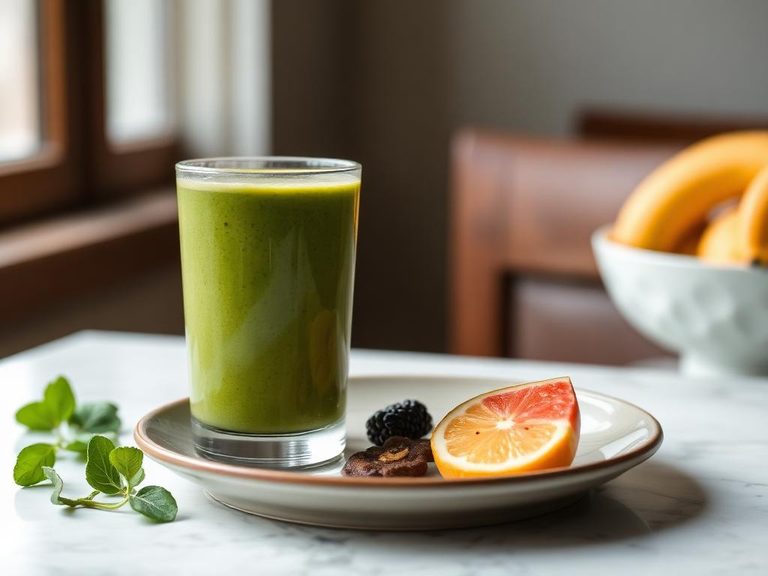
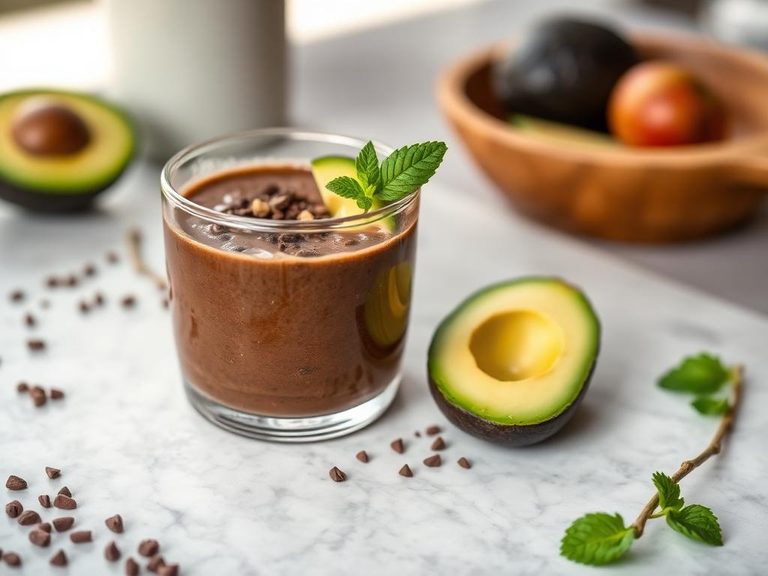
This is a vibrant, blended beverage that combines the natural sweetness of fruits and vegetables with a protein boost for a satisfying, nutrient-dense drink. Its texture is typically smooth and creamy, with a flavor profile that balances the bright, tart notes of fruits with the earthy undertones of vegetables. Nutritionally, it stands out as a low-calorie, high-protein option, making it a popular choice for a quick meal or post-workout recovery.
Calorie split: 35% protein · 57% carbs · 8% fat
↓ Full nutrition💚 Why it's loved
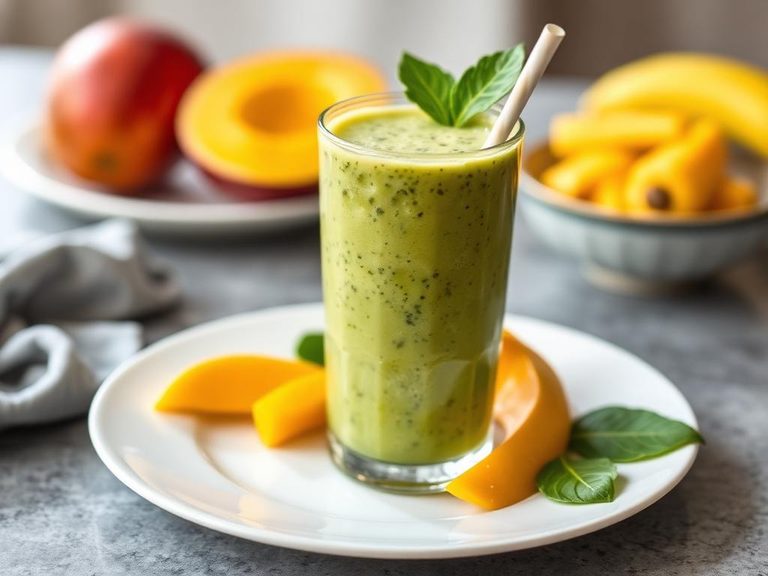
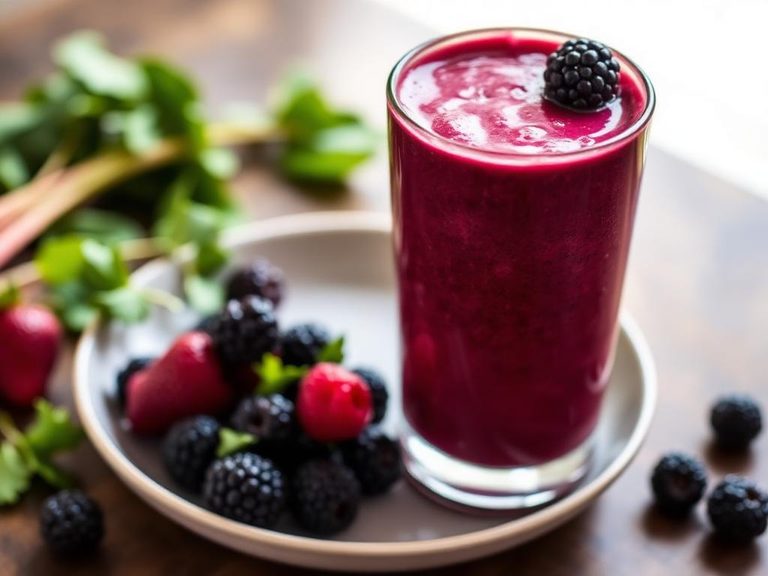
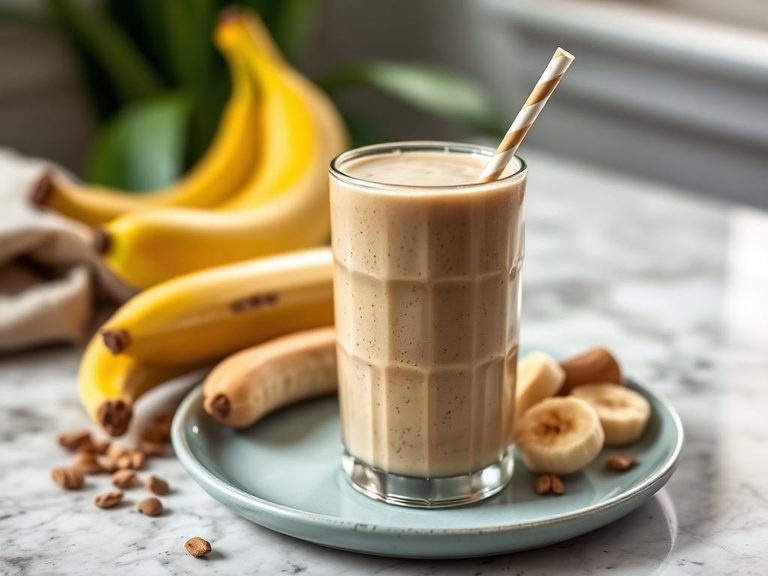
People love it for its refreshing taste and the ability to customize it with endless flavor combinations, from tropical mango-spinach to earthy beet-berry blends. It's a cultural staple in modern health-conscious diets, often seen as a symbol of wellness and convenience.
⚠️ Watch-outs & how to enjoy it better
The high natural sugar content from fruits can cause blood-sugar spikes if consumed in large quantities, especially for individuals with insulin sensitivity. To counteract this, pair it with a source of healthy fat (like a handful of nuts or a spoonful of chia seeds) or ensure it's consumed as part of a balanced meal to slow sugar absorption.
Key benefits
- High in protein for muscle repair and satiety
- Low in fat and calories, supporting weight management
- Provides quick-digesting carbohydrates for energy
- Contains dietary fiber for digestive health
- Offers a convenient way to consume multiple servings of produce
🍽️ Popular dishes
🌍 Where it's eaten
💡 Did you know?
The concept of blending fruits and vegetables into a drinkable meal was popularized in the 1960s by health food pioneers, but the modern 'smoothie' as we know it—with protein powders and superfoods—largely emerged from the fitness and bodybuilding communities of the 1980s and 90s.
Full nutrition (USDA data · scales with serving)
| Water | 78.0 g |
| Energy | 86.0 kcal |
| Protein | 7.5 g |
| Total lipid (fat) | 0.78 g |
| Carbohydrate, by difference | 12.2 g |
| Fiber, total dietary | 1.1 g |
| Total Sugars | 8.5 g |
| Calcium, Ca | 84.0 mg |
| Iron, Fe | 0.29 mg |
| Magnesium, Mg | 43.0 mg |
| Phosphorus, P | 138 mg |
| Potassium, K | 311 mg |
| Sodium, Na | 36.0 mg |
| Zinc, Zn | 0.68 mg |
| Copper, Cu | 0.06 mg |
| Selenium, Se | 2.4 ug |
| Vitamin C, total ascorbic acid | 15.3 mg |
| Thiamin | 0.11 mg |
| Riboflavin | 0.22 mg |
| Niacin | 0.43 mg |
| Vitamin B-6 | 0.17 mg |
| Folate, total | 32.0 ug |
| Folic acid | 0.00 ug |
| Folate, food | 32.0 ug |
| Folate, DFE | 32.0 ug |
| Choline, total | 28.3 mg |
| Vitamin B-12 | 0.29 ug |
| Vitamin B-12, added | 0.00 ug |
| Vitamin A, RAE | 53.0 ug |
| Retinol | 10.0 ug |
| Carotene, beta | 509 ug |
| Carotene, alpha | 4.0 ug |
| Cryptoxanthin, beta | 7.0 ug |
| Lycopene | 0.00 ug |
| Lutein + zeaxanthin | 906 ug |
| Vitamin E (alpha-tocopherol) | 0.39 mg |
| Vitamin E, added | 0.00 mg |
| Vitamin D (D2 + D3) | 0.30 ug |
| Vitamin K (phylloquinone) | 71.6 ug |
| Alcohol, ethyl | 0.00 g |
| Caffeine | 0.00 mg |
| Theobromine | 0.00 mg |
Fat & fatty acid profile (per 100g)
| Fatty acids, total saturated | 0.34 g |
| SFA 4:0 | 0.01 g |
| SFA 6:0 | 0.01 g |
| SFA 8:0 | 0.01 g |
| SFA 10:0 | 0.01 g |
| SFA 12:0 | 0.01 g |
| SFA 14:0 | 0.04 g |
| SFA 16:0 | 0.18 g |
| SFA 18:0 | 0.05 g |
| Fatty acids, total monounsaturated | 0.11 g |
| MUFA 16:1 | 0.01 g |
| MUFA 18:1 | 0.11 g |
| MUFA 20:1 | 0.00 g |
| MUFA 22:1 | 0.00 g |
| Fatty acids, total polyunsaturated | 0.09 g |
| PUFA 18:2 | 0.06 g |
| PUFA 18:3 | 0.04 g |
| PUFA 18:4 | 0.00 g |
| PUFA 20:4 | 0.00 g |
| PUFA 20:5 n-3 (EPA) | 0.00 g |
| PUFA 22:5 n-3 (DPA) | 0.00 g |
| PUFA 22:6 n-3 (DHA) | 0.00 g |
| Cholesterol | 3.0 mg |
FAQ
Is this smoothie a complete meal replacement?
It can serve as a light meal or snack, but for a full meal replacement, it's best to ensure it contains a balanced mix of protein, healthy fats, and complex carbs. Adding ingredients like oats, nut butter, or seeds can make it more sustaining.
Can I make this ahead of time?
Yes, but it's best consumed fresh for optimal texture and nutrient retention. If prepping ahead, store it in an airtight container in the refrigerator for up to 24 hours, and give it a good shake before drinking.
What's the best way to increase the protein content further?
You can add a scoop of your preferred protein powder (whey, plant-based, etc.), a tablespoon of hemp seeds, or a dollop of Greek yogurt to significantly boost the protein content without altering the flavor too much.
Nutrient density (calculated · NRF9.3)
Nutrient Rich Foods index: beneficial nutrients (protein, fiber, vitamins, minerals) minus saturated fat, added sugar & sodium, per 100 kcal.
NRF9.3 index — Fulgoni, Keast & Drewnowski, 2009. Computed from USDA nutrients.
Weight-loss friendliness (composite index)
Energy density 0.86 kcal/g · 35% calories from protein · 1.1 g fiber · 8.5 g sugar per 100 g.
Composite of energy density (Rolls et al., 1999), protein & fiber satiety, minus sugar. A calculated heuristic — ranks satiety-per-calorie, not a clinical measure.
Dietary load (calculated from USDA values)
Potential renal acid load. Positive = acid-forming, negative = alkaline-forming.
Sodium-to-potassium ratio: 0.12 (lower is better — aim for ≤ 1)
Sodium:potassium per WHO potassium guidance. Computed from USDA nutrients.