

Taro, tahitian, cooked, with salt
Whole food · Vegetables and Vegetable Products

Photo: Wikipedia
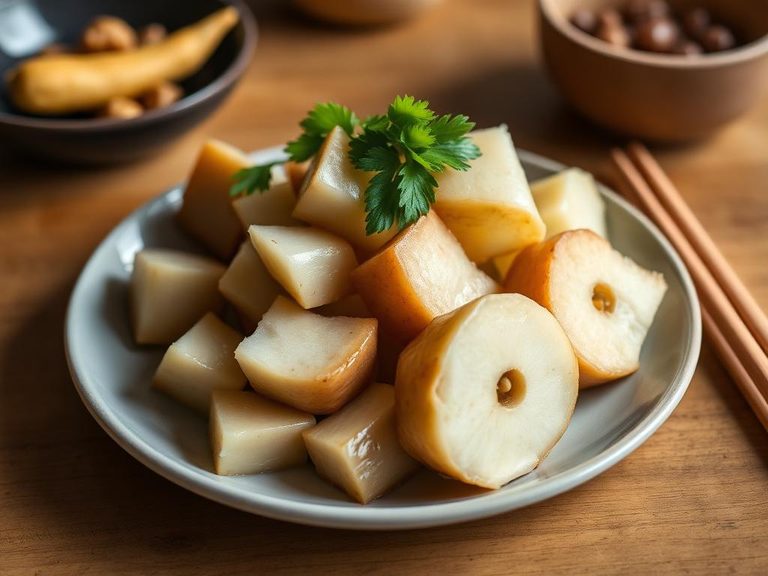
Tahitian taro is a starchy, mildly sweet root with a dense, creamy texture when cooked, often compared to a potato but with a more subtle, nutty flavor. Nutritionally, it's a low-fat, moderate-protein carbohydrate source, providing a steady energy release thanks to its complex starches.
Calorie split: 33% protein · 55% carbs · 12% fat
↓ Full nutrition💚 Why it's loved
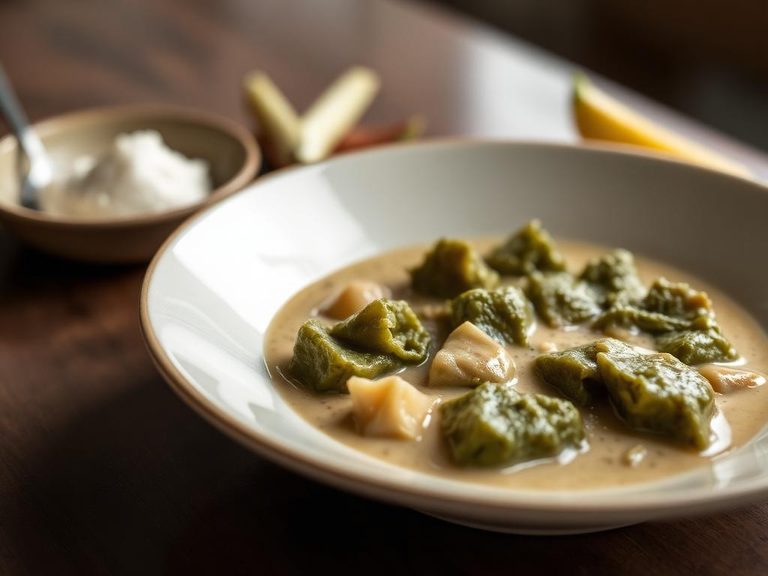
People love its versatile, comforting texture that absorbs flavors beautifully in both savory stews and sweet desserts. It's a cherished staple in Polynesian cultures, often at the heart of communal feasts and traditional cooking methods like the underground 'umu' oven.
⚠️ Watch-outs & how to enjoy it better
Its high starch content can cause a quicker blood sugar rise compared to non-starchy vegetables. To counteract this, pair it with protein (like fish or tofu) and healthy fats (like coconut milk) to slow digestion. The provided nutrition is for cooked taro with salt, so watch sodium intake if managing blood pressure.
Key benefits
- Good source of plant-based protein for a root vegetable.
- Low in fat and contains no added sugars.
- Provides a steady energy release from complex carbohydrates.
- Naturally gluten-free and suitable for various dietary needs.
🍽️ Popular dishes
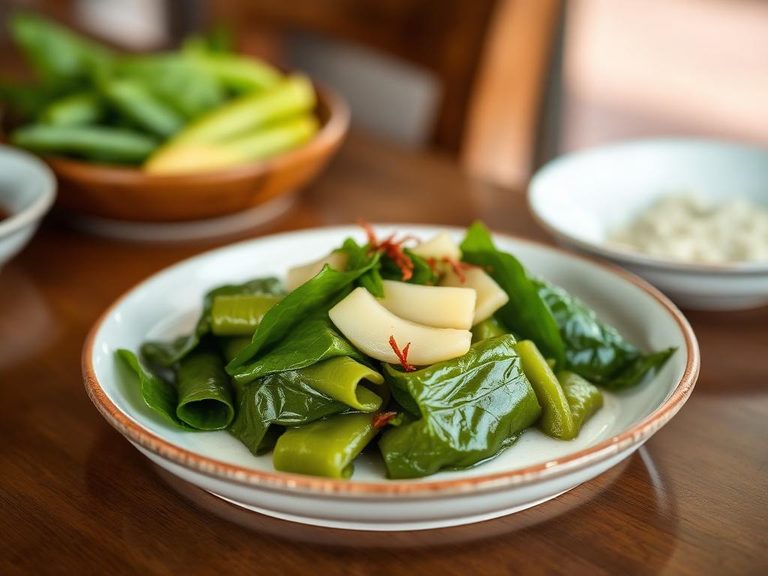
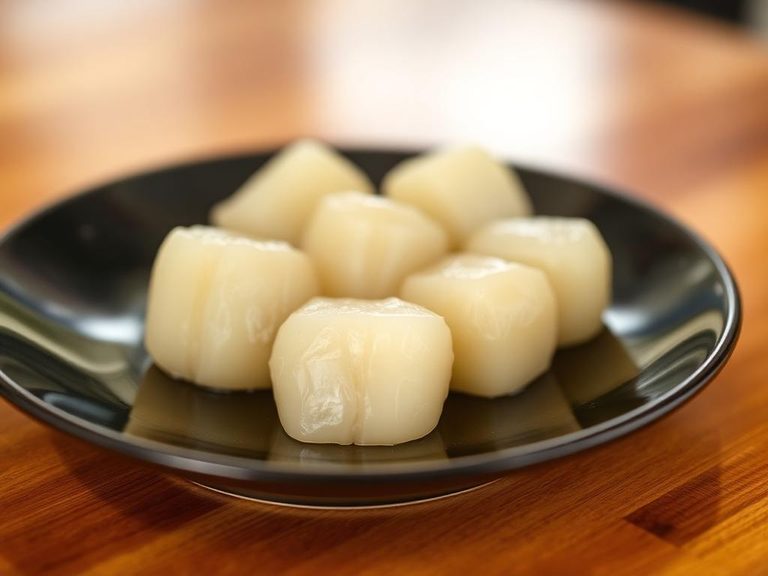
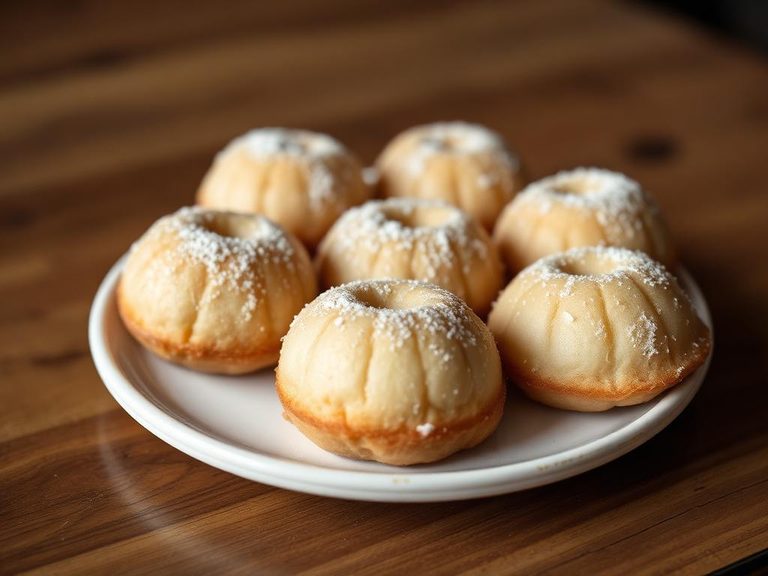
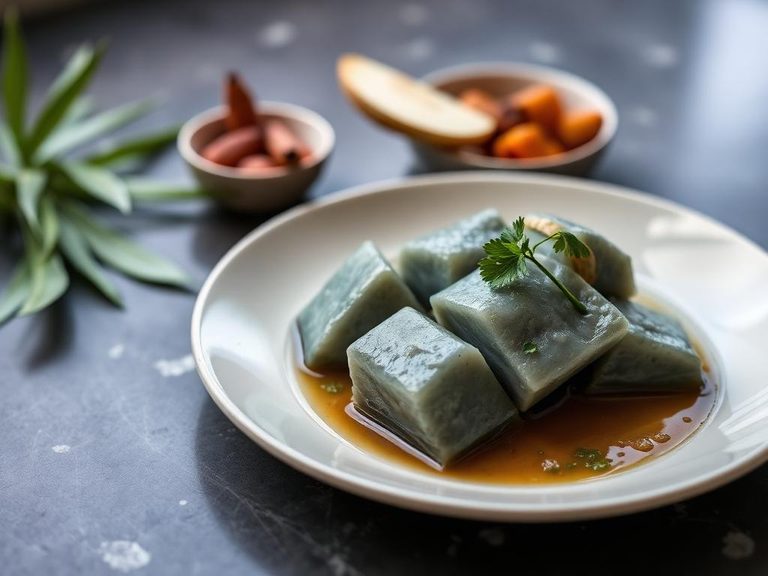
🌍 Where it's eaten
💡 Did you know?
The name 'Tahitian taro' can be a bit of a misnomer; the specific variety, often called 'pia' in Tahiti, is actually believed to have originated in the Southeast Asian/Melanesian region before spreading across the Pacific.
Full nutrition (USDA data · scales with serving)
| Water | 86.5 g |
| Energy | 44.0 kcal |
| Energy | 182 kj |
| Protein | 4.2 g |
| Total lipid (fat) | 0.68 g |
| Ash | 1.9 g |
| Carbohydrate, by difference | 6.8 g |
| Calcium, Ca | 149 mg |
| Iron, Fe | 1.6 mg |
| Magnesium, Mg | 51.0 mg |
| Phosphorus, P | 67.0 mg |
| Potassium, K | 623 mg |
| Sodium, Na | 290 mg |
| Zinc, Zn | 0.10 mg |
| Copper, Cu | 0.08 mg |
| Manganese, Mn | 0.17 mg |
| Selenium, Se | 0.80 ug |
| Vitamin C, total ascorbic acid | 38.0 mg |
| Thiamin | 0.04 mg |
| Riboflavin | 0.20 mg |
| Niacin | 0.48 mg |
| Pantothenic acid | 0.13 mg |
| Vitamin B-6 | 0.12 mg |
| Folate, total | 7.0 ug |
| Folic acid | 0.00 ug |
| Folate, food | 7.0 ug |
| Folate, DFE | 7.0 ug |
| Vitamin B-12 | 0.00 ug |
| Vitamin A, RAE | 88.0 ug |
| Retinol | 0.00 ug |
| Vitamin A, IU | 1764 iu |
| Vitamin D (D2 + D3), International Units | 0.00 iu |
| Vitamin D (D2 + D3) | 0.00 ug |
Fat & fatty acid profile (per 100g)
| Fatty acids, total saturated | 0.14 g |
| SFA 16:0 | 0.12 g |
| SFA 18:0 | 0.02 g |
| Fatty acids, total monounsaturated | 0.06 g |
| MUFA 18:1 | 0.06 g |
| Fatty acids, total polyunsaturated | 0.28 g |
| PUFA 18:2 | 0.20 g |
| PUFA 18:3 | 0.09 g |
| Fatty acids, total trans | 0.00 g |
| Cholesterol | 0.00 mg |
Amino acid profile (per 100g)
Estimated from Taro, cooked, without salt — USDA does not publish this profile for Taro.
| Tryptophan | 0.01 g |
| Threonine | 0.02 g |
| Isoleucine | 0.02 g |
| Leucine | 0.04 g |
| Lysine | 0.02 g |
| Methionine | 0.01 g |
| Cystine | 0.01 g |
| Phenylalanine | 0.03 g |
| Tyrosine | 0.02 g |
| Valine | 0.03 g |
| Arginine | 0.04 g |
| Histidine | 0.01 g |
| Alanine | 0.03 g |
| Aspartic acid | 0.07 g |
| Glutamic acid | 0.06 g |
| Glycine | 0.03 g |
| Proline | 0.02 g |
| Serine | 0.03 g |
FAQ
Is taro the same as sweet potato?
No, they are different plants. Taro (Colocasia esculenta) has a more neutral, nutty flavor and denser texture, while sweet potatoes are sweeter and softer. Taro must always be cooked, as raw taro contains irritating calcium oxalate crystals.
Why is my cooked taro slightly purple or blue?
This is a natural reaction between the anthocyanin pigments in the taro and the minerals or pH of the water you cooked it in. It's perfectly safe to eat and often seen as a desirable trait in some varieties.
How do I safely prepare raw taro?
Always wear gloves when peeling to avoid skin irritation from the calcium oxalate. Cook it thoroughly by boiling, steaming, or roasting until very tender to neutralize the irritants and develop its pleasant flavor and texture.
Nutrient density (calculated · NRF9.3)
Nutrient Rich Foods index: beneficial nutrients (protein, fiber, vitamins, minerals) minus saturated fat, added sugar & sodium, per 100 kcal.
NRF9.3 index — Fulgoni, Keast & Drewnowski, 2009. Computed from USDA nutrients.
Weight-loss friendliness (composite index)
Energy density 0.44 kcal/g · 38% calories from protein · 0.0 g fiber · 0.0 g sugar per 100 g.
Composite of energy density (Rolls et al., 1999), protein & fiber satiety, minus sugar. A calculated heuristic — ranks satiety-per-calorie, not a clinical measure.
Dietary load (calculated from USDA values)
Potential renal acid load. Positive = acid-forming, negative = alkaline-forming.
Sodium-to-potassium ratio: 0.47 (lower is better — aim for ≤ 1)
Sodium:potassium per WHO potassium guidance. Computed from USDA nutrients.