

Soybeans, mature seeds, sprouted, cooked, stir-fried
Whole food · Vegetables and Vegetable Products

Photo: Wikipedia
Mature soybeans, sprouted and stir-fried, transform into tender, slightly crunchy morsels with a nutty, earthy flavor and a satisfying, meaty bite. Nutritionally, they are a protein powerhouse, delivering over 13 grams of complete protein per 100 grams, alongside healthy fats and essential minerals. The sprouting process enhances digestibility and unlocks a subtle sweetness that balances their robust character.
Calorie split: 34% protein · 24% carbs · 42% fat
↓ Full nutrition💚 Why it's loved
People love them for their deeply savory, umami-rich flavor and versatile texture that absorbs sauces beautifully, making them a staple in stir-fries and braises. They are cherished in many cultures as a hearty, affordable, and nutritious protein source that can anchor a meal.
⚠️ Watch-outs & how to enjoy it better
As a common allergen, soy is a concern for some individuals. The stir-frying method can add significant sodium and oil, so using low-sodium sauces and moderate oil is key. For those sensitive to antinutrients, thorough cooking and sprouting help reduce compounds like phytates.
Key benefits
- Excellent source of complete plant-based protein
- Rich in essential minerals like iron, magnesium, and potassium
- Sprouting increases nutrient bioavailability and digestibility
- Provides healthy unsaturated fats, including omega-3s
- Low in sugar and a good source of fiber
🍽️ Popular dishes
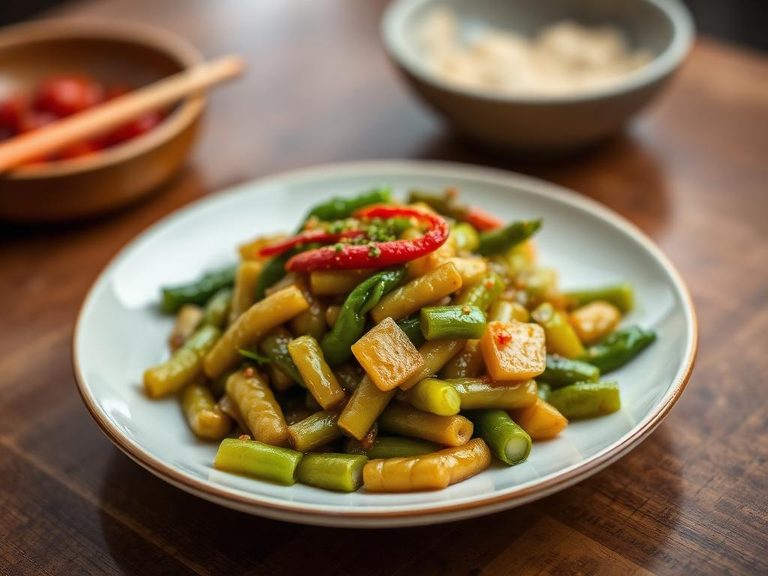
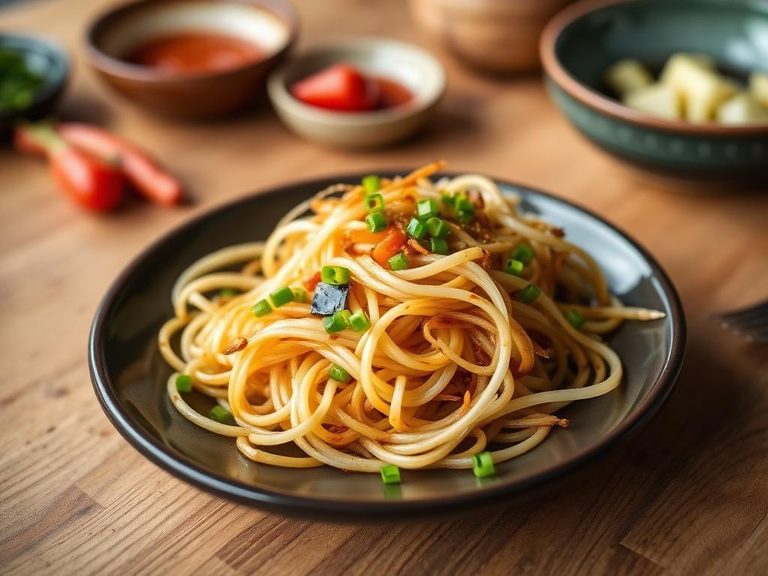
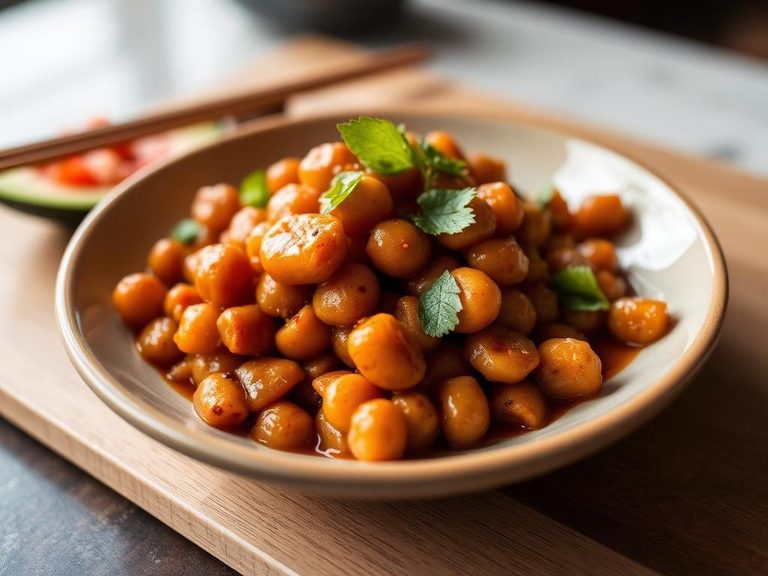
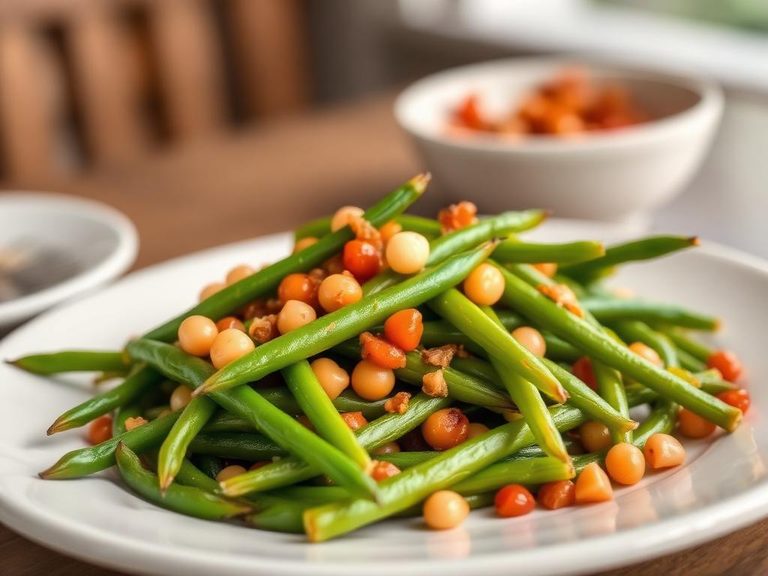
🌍 Where it's eaten
💡 Did you know?
The sprouting process for mature soybeans, unlike for mung beans, is often very short—sometimes just 1-2 days—primarily to improve texture and reduce cooking time rather than to grow long shoots.
Full nutrition (USDA data · scales with serving)
| Water | 67.2 g |
| Energy | 125 kcal |
| Energy | 523 kj |
| Protein | 13.1 g |
| Total lipid (fat) | 7.1 g |
| Ash | 3.2 g |
| Carbohydrate, by difference | 9.4 g |
| Fiber, total dietary | 0.80 g |
| Calcium, Ca | 82.0 mg |
| Iron, Fe | 0.40 mg |
| Magnesium, Mg | 96.0 mg |
| Phosphorus, P | 216 mg |
| Potassium, K | 567 mg |
| Sodium, Na | 14.0 mg |
| Zinc, Zn | 2.1 mg |
| Copper, Cu | 0.53 mg |
| Manganese, Mn | 1.1 mg |
| Selenium, Se | 0.60 ug |
| Vitamin C, total ascorbic acid | 12.0 mg |
| Thiamin | 0.42 mg |
| Riboflavin | 0.19 mg |
| Niacin | 1.1 mg |
| Pantothenic acid | 1.2 mg |
| Vitamin B-6 | 0.17 mg |
| Folate, total | 127 ug |
| Folic acid | 0.00 ug |
| Folate, food | 127 ug |
| Folate, DFE | 127 ug |
| Vitamin B-12 | 0.00 ug |
| Vitamin A, RAE | 1.0 ug |
| Retinol | 0.00 ug |
| Vitamin A, IU | 17.0 iu |
| Vitamin D (D2 + D3), International Units | 0.00 iu |
| Vitamin D (D2 + D3) | 0.00 ug |
Fat & fatty acid profile (per 100g)
| Fatty acids, total saturated | 0.98 g |
| SFA 14:0 | 0.01 g |
| SFA 16:0 | 0.71 g |
| SFA 18:0 | 0.26 g |
| Fatty acids, total monounsaturated | 1.6 g |
| MUFA 16:1 | 0.01 g |
| MUFA 18:1 | 1.6 g |
| MUFA 20:1 | 0.01 g |
| Fatty acids, total polyunsaturated | 4.0 g |
| PUFA 18:2 | 3.5 g |
| PUFA 18:3 | 0.47 g |
| Cholesterol | 0.00 mg |
Amino acid profile (per 100g)
| Tryptophan | 0.16 g |
| Threonine | 0.50 g |
| Isoleucine | 0.58 g |
| Leucine | 0.94 g |
| Lysine | 0.75 g |
| Methionine | 0.14 g |
| Cystine | 0.16 g |
| Phenylalanine | 0.64 g |
| Tyrosine | 0.48 g |
| Valine | 0.62 g |
| Arginine | 0.91 g |
| Histidine | 0.35 g |
| Alanine | 0.55 g |
| Aspartic acid | 1.8 g |
| Glutamic acid | 2.0 g |
| Glycine | 0.50 g |
| Proline | 0.68 g |
| Serine | 0.65 g |
FAQ
How is this different from regular soybeans or edamame?
These are mature, dried soybeans that have been briefly sprouted before cooking, giving them a firmer texture and nuttier flavor than soft edamame (immature beans) or plain boiled mature beans.
Are sprouted soybeans more nutritious?
Yes, sprouting can increase the availability of certain nutrients like B vitamins and minerals, and may reduce antinutrients like phytic acid, making the protein and minerals easier for your body to absorb.
What's the best way to cook them at home?
After a quick rinse, stir-fry them in a hot wok or skillet with aromatics like ginger, garlic, and scallions. A splash of soy sauce, rice wine, and a pinch of sugar or chili paste creates a classic savory glaze. Ensure they are cooked through but still retain a pleasant bite.
Nutrient density (calculated · NRF9.3)
Nutrient Rich Foods index: beneficial nutrients (protein, fiber, vitamins, minerals) minus saturated fat, added sugar & sodium, per 100 kcal.
NRF9.3 index — Fulgoni, Keast & Drewnowski, 2009. Computed from USDA nutrients.
Weight-loss friendliness (composite index)
Energy density 1.25 kcal/g · 42% calories from protein · 0.8 g fiber · 0.0 g sugar per 100 g.
Composite of energy density (Rolls et al., 1999), protein & fiber satiety, minus sugar. A calculated heuristic — ranks satiety-per-calorie, not a clinical measure.
Dietary load (calculated from USDA values)
Potential renal acid load. Positive = acid-forming, negative = alkaline-forming.
Sodium-to-potassium ratio: 0.02 (lower is better — aim for ≤ 1)
Sodium:potassium per WHO potassium guidance. Computed from USDA nutrients.