

Snapper, frozen, wild caught
Whole food · Finfish and Shellfish Products
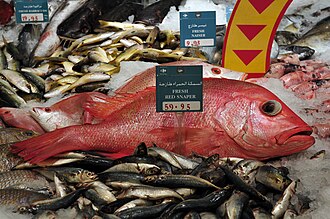
Photo: Wikipedia
Frozen wild-caught snapper is a lean, firm-fleshed white fish that offers a clean, slightly sweet, and nutty flavor profile. Its texture is meaty and flaky, holding up well to various cooking methods without becoming mushy. Nutritionally, it's a powerhouse of high-quality protein with virtually no fat or carbohydrates, making it an exceptionally lean choice.
Calorie split: 92% protein · 2% carbs · 6% fat
↓ Full nutrition💚 Why it's loved
People love snapper for its delicate yet distinct flavor that isn't overly 'fishy,' making it approachable even for seafood skeptics. Its firm, flaky texture is incredibly versatile, perfect for grilling, baking, or pan-searing, and it's a staple in many coastal and island cuisines.
⚠️ Watch-outs & how to enjoy it better
The primary downside is its potential for mercury content, especially in larger, older fish, which is a concern for pregnant women and young children. To mitigate this, choose smaller snapper species, limit portion sizes, and consume it no more than once or twice a week. Also, frozen fish can sometimes develop a slightly mushy texture if thawed improperly; always thaw slowly in the refrigerator.
Key benefits
- Extremely high in lean protein (20.7g per 100g).
- Very low in calories (90 kcal per 100g).
- Virtually fat-free and carbohydrate-free.
- Excellent source of selenium and vitamin B12.
- Wild-caught origin often means lower contaminant risk.
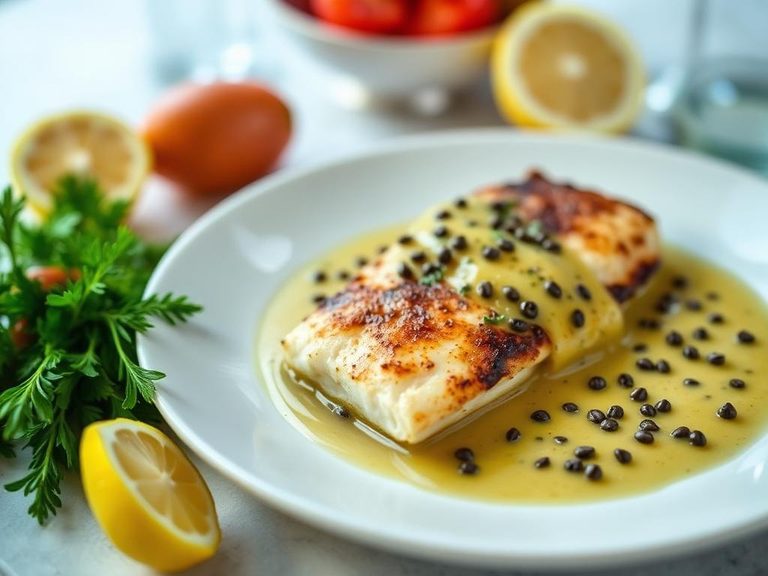
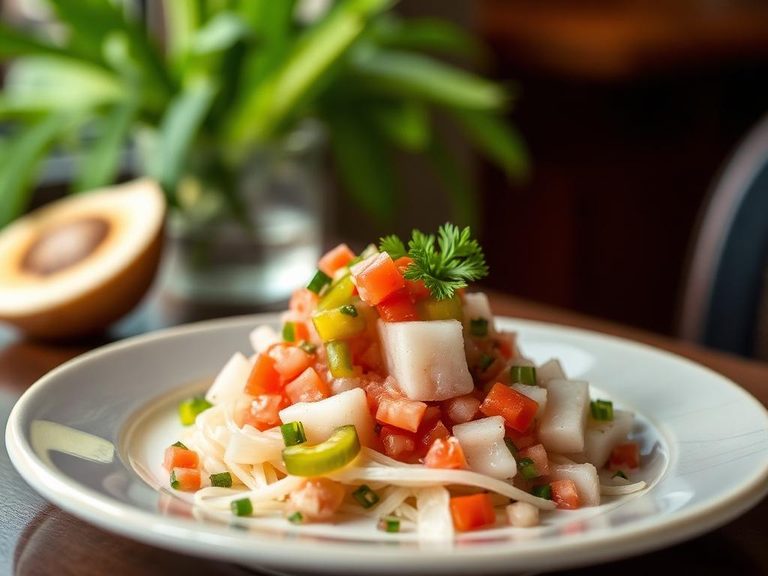
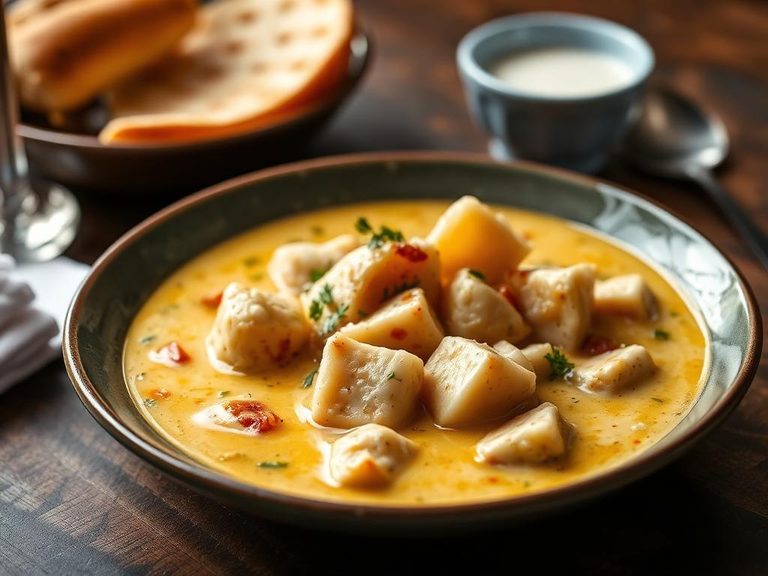
🍽️ Popular dishes
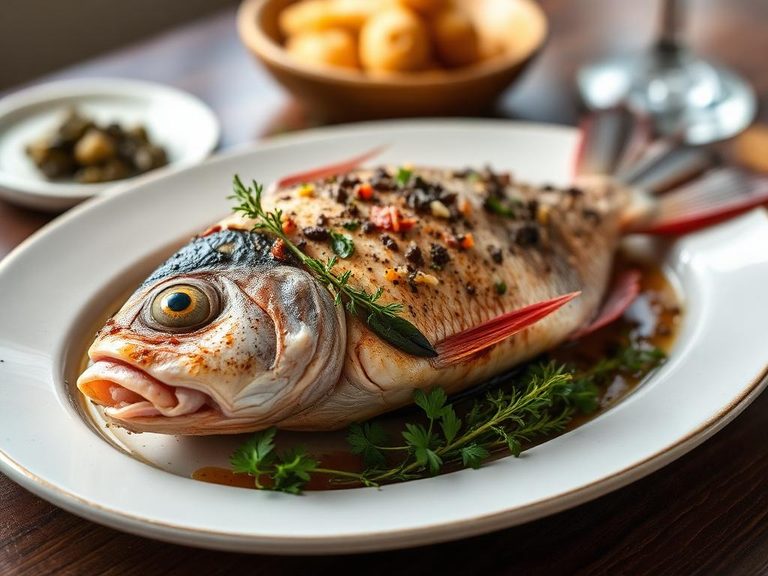
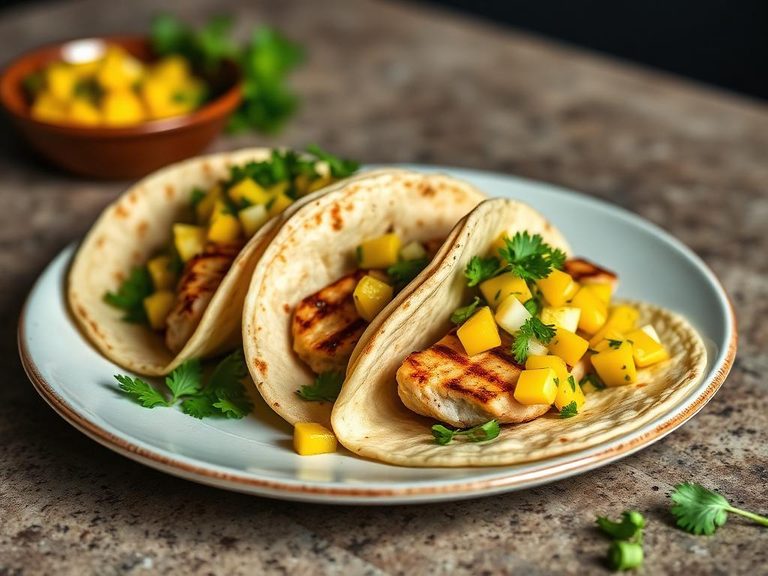
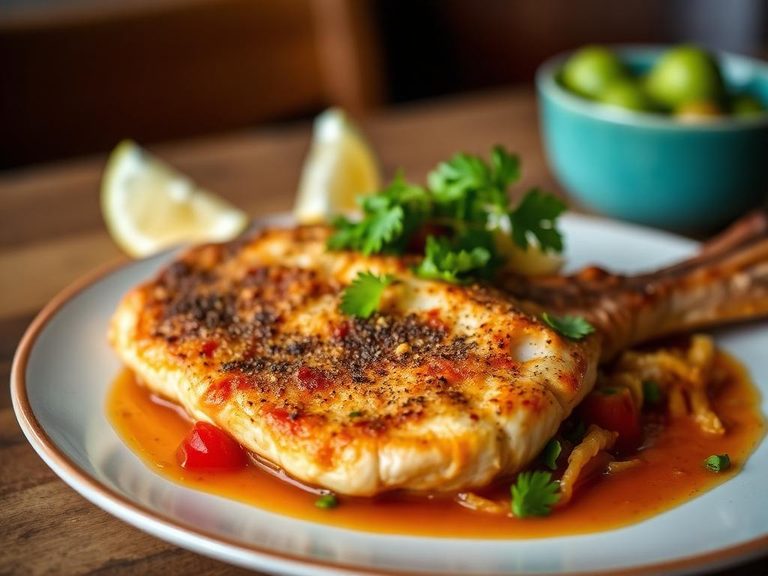
🌍 Where it's eaten
💡 Did you know?
The name 'snapper' is often misused in the seafood industry; over 100 different fish species are sometimes sold under this name, but true snapper belongs to the Lutjanidae family and is prized for its sweet, nutty flavor.
Full nutrition (USDA data · scales with serving)
| Water | 77.2 g |
| Energy (Atwater General Factors) | 89.5 kcal |
| Nitrogen | 3.3 g |
| Protein | 20.7 g |
| Total lipid (fat) | 0.57 g |
| Ash | 1.2 g |
| Carbohydrate, by difference | 0.44 g |
| Calcium, Ca | 13.9 mg |
| Iron, Fe | 0.20 mg |
| Magnesium, Mg | 27.5 mg |
| Phosphorus, P | 199 mg |
| Potassium, K | 349 mg |
| Sodium, Na | 93.1 mg |
| Zinc, Zn | 0.36 mg |
| Copper, Cu | 0.02 mg |
| Manganese, Mn | 0.00 mg |
| Selenium, Se | 71.4 ug |
| Vitamin B-12 | 1.6 ug |
Fat & fatty acid profile (per 100g)
Estimated from Fish, snapper, mixed species, raw — USDA does not publish this profile for Snapper.
| Fatty acids, total saturated | 0.28 g |
| SFA 4:0 | 0.00 g |
| SFA 6:0 | 0.00 g |
| SFA 8:0 | 0.00 g |
| SFA 10:0 | 0.00 g |
| SFA 12:0 | 0.00 g |
| SFA 14:0 | 0.04 g |
| SFA 16:0 | 0.16 g |
| SFA 18:0 | 0.08 g |
| Fatty acids, total monounsaturated | 0.25 g |
| MUFA 16:1 | 0.06 g |
| MUFA 18:1 | 0.17 g |
| MUFA 20:1 | 0.02 g |
| MUFA 22:1 | 0.00 g |
| Fatty acids, total polyunsaturated | 0.46 g |
| PUFA 18:2 | 0.02 g |
| PUFA 18:3 | 0.00 g |
| PUFA 18:4 | 0.01 g |
| PUFA 20:4 | 0.05 g |
| PUFA 20:5 n-3 (EPA) | 0.05 g |
| PUFA 22:5 n-3 (DPA) | 0.07 g |
| PUFA 22:6 n-3 (DHA) | 0.26 g |
| Cholesterol | 37.0 mg |
Amino acid profile (per 100g)
Estimated from Fish, snapper, mixed species, raw — USDA does not publish this profile for Snapper.
| Tryptophan | 0.23 g |
| Threonine | 0.90 g |
| Isoleucine | 0.94 g |
| Leucine | 1.7 g |
| Lysine | 1.9 g |
| Methionine | 0.61 g |
| Cystine | 0.22 g |
| Phenylalanine | 0.80 g |
| Tyrosine | 0.69 g |
| Valine | 1.1 g |
| Arginine | 1.2 g |
| Histidine | 0.60 g |
| Alanine | 1.2 g |
| Aspartic acid | 2.1 g |
| Glutamic acid | 3.1 g |
| Glycine | 0.98 g |
| Proline | 0.72 g |
| Serine | 0.84 g |
FAQ
How do I properly thaw frozen snapper?
The best method is to thaw it overnight in the refrigerator on a plate to catch any drips. For a quicker thaw, place the sealed fish in a bowl of cold water, changing the water every 30 minutes. Never thaw at room temperature.
Is wild-caught snapper better than farm-raised?
Wild-caught snapper often has a more complex flavor and firmer texture. It also typically contains fewer contaminants and antibiotics than farm-raised fish, though it can be more expensive and less consistently available.
What's the best way to cook frozen snapper without thawing?
You can bake or steam it directly from frozen. For baking, preheat your oven to 400°F (200°C), place the frozen fillet on a lined baking sheet, add seasonings and a bit of oil, and cook for about 20-25 minutes, or until the internal temperature reaches 145°F (63°C).
Nutrient density (calculated · NRF9.3)
Nutrient Rich Foods index: beneficial nutrients (protein, fiber, vitamins, minerals) minus saturated fat, added sugar & sodium, per 100 kcal.
NRF9.3 index — Fulgoni, Keast & Drewnowski, 2009. Computed from USDA nutrients.
Weight-loss friendliness (composite index)
Energy density 0.90 kcal/g · 92% calories from protein · 0.0 g fiber · 0.0 g sugar per 100 g.
Composite of energy density (Rolls et al., 1999), protein & fiber satiety, minus sugar. A calculated heuristic — ranks satiety-per-calorie, not a clinical measure.
Dietary load (calculated from USDA values)
Potential renal acid load. Positive = acid-forming, negative = alkaline-forming.
Sodium-to-potassium ratio: 0.27 (lower is better — aim for ≤ 1)
Sodium:potassium per WHO potassium guidance. Computed from USDA nutrients.