

Seeds, sesame flour, partially defatted
Whole food · Nut and Seed Products

Photo: Wikipedia
Partially defatted sesame flour is a fine, tan-colored powder made by pressing sesame seeds to remove some oil, then grinding the remaining cake. It has a robust, nutty, and slightly bitter flavor with a dry, powdery texture that absorbs liquids readily. Nutritionally, it is a protein powerhouse, delivering over 40 grams per 100 grams, and is exceptionally rich in minerals like calcium and magnesium.
Calorie split: 39% protein · 34% carbs · 26% fat
↓ Full nutrition💚 Why it's loved
People love it for its intense, authentic sesame flavor that elevates everything from breads to sauces, and for its ability to boost the protein content of vegetarian and vegan dishes. It's a staple in many cuisines for creating rich, savory depth.
⚠️ Watch-outs & how to enjoy it better
The strong, slightly bitter taste can be overpowering if used in excess, and its dry texture requires careful hydration in recipes. As a concentrated seed product, it contains oxalates and is a common allergen; those with kidney issues or seed allergies should exercise caution. To counteract bitterness, pair it with sweeteners like honey or maple syrup in baking, or use it in savory dishes alongside fats like tahini or oil to balance the flavor and improve mouthfeel.
Key benefits
- Excellent source of plant-based protein (40g per 100g)
- Rich in essential minerals like calcium, magnesium, and iron
- Provides healthy unsaturated fats from residual sesame oil
- Adds a deep, nutty flavor to recipes without added sugars
- Gluten-free ingredient for baking and cooking
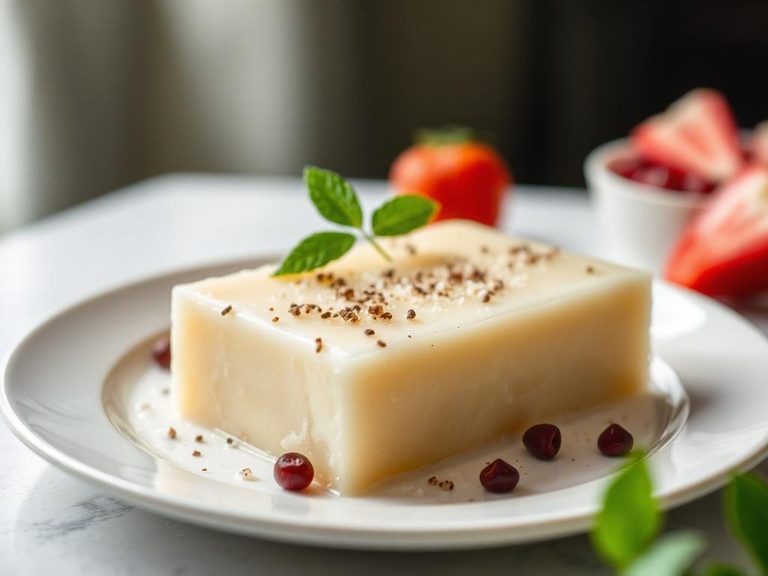
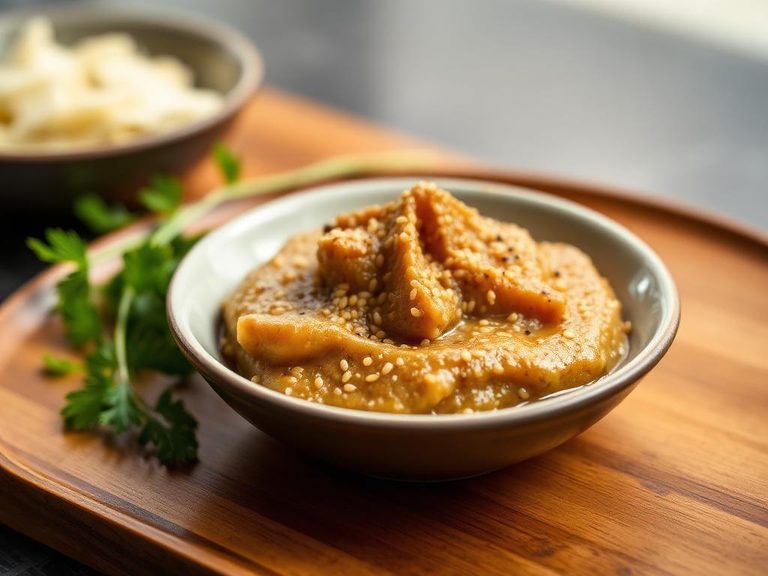
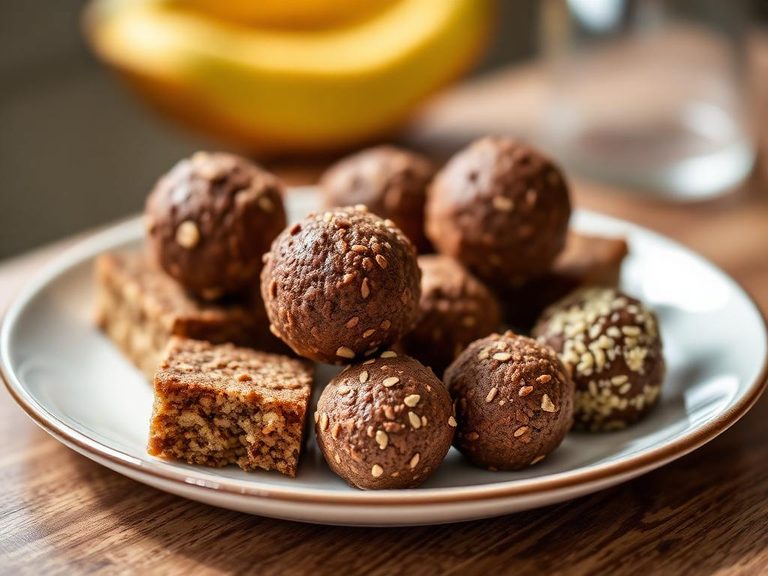
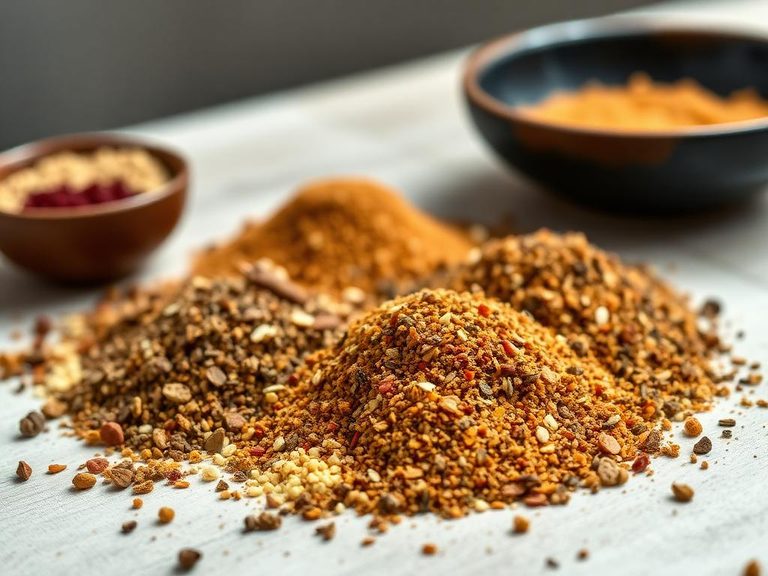
🍽️ Popular dishes

🌍 Where it's eaten
💡 Did you know?
Sesame seeds are one of the oldest oilseed crops known to humanity, with evidence of cultivation dating back over 4,000 years.
Full nutrition (USDA data · scales with serving)
| Water | 6.6 g |
| Energy | 382 kcal |
| Energy | 1598 kj |
| Protein | 40.3 g |
| Total lipid (fat) | 11.9 g |
| Ash | 6.0 g |
| Carbohydrate, by difference | 35.1 g |
| Calcium, Ca | 150 mg |
| Iron, Fe | 14.3 mg |
| Magnesium, Mg | 362 mg |
| Phosphorus, P | 810 mg |
| Potassium, K | 425 mg |
| Sodium, Na | 41.0 mg |
| Zinc, Zn | 10.7 mg |
| Copper, Cu | 1.4 mg |
| Manganese, Mn | 1.4 mg |
| Vitamin C, total ascorbic acid | 0.00 mg |
| Thiamin | 2.5 mg |
| Riboflavin | 0.27 mg |
| Niacin | 12.6 mg |
| Pantothenic acid | 2.8 mg |
| Vitamin B-6 | 0.15 mg |
| Folate, total | 29.0 ug |
| Folic acid | 0.00 ug |
| Folate, food | 29.0 ug |
| Folate, DFE | 29.0 ug |
| Vitamin B-12 | 0.00 ug |
| Vitamin A, RAE | 3.0 ug |
| Retinol | 0.00 ug |
| Vitamin A, IU | 69.0 iu |
| Vitamin D (D2 + D3), International Units | 0.00 iu |
| Vitamin D (D2 + D3) | 0.00 ug |
Fat & fatty acid profile (per 100g)
| Fatty acids, total saturated | 1.6 g |
| SFA 14:0 | 0.03 g |
| SFA 16:0 | 1.0 g |
| SFA 18:0 | 0.49 g |
| Fatty acids, total monounsaturated | 4.4 g |
| MUFA 16:1 | 0.04 g |
| MUFA 18:1 | 4.3 g |
| MUFA 20:1 | 0.02 g |
| Fatty acids, total polyunsaturated | 5.1 g |
| PUFA 18:2 | 5.0 g |
| PUFA 18:3 | 0.09 g |
| Cholesterol | 0.00 mg |
Amino acid profile (per 100g)
| Tryptophan | 0.88 g |
| Threonine | 1.7 g |
| Isoleucine | 1.7 g |
| Leucine | 3.1 g |
| Lysine | 1.3 g |
| Methionine | 1.3 g |
| Cystine | 0.81 g |
| Phenylalanine | 2.1 g |
| Tyrosine | 1.7 g |
| Valine | 2.3 g |
| Arginine | 6.0 g |
| Histidine | 1.2 g |
| Alanine | 2.1 g |
| Aspartic acid | 3.7 g |
| Glutamic acid | 9.0 g |
| Glycine | 2.8 g |
| Proline | 1.8 g |
| Serine | 2.2 g |
FAQ
How is partially defatted sesame flour different from regular sesame flour?
Partially defatted means some oil has been pressed out, resulting in a lower fat content (about 12g vs. 50g+ per 100g) and a higher concentration of protein and carbs. It has a drier texture and more intense flavor.
Can I use it as a 1:1 substitute for all-purpose flour?
No, it cannot be used alone as a direct substitute. It lacks gluten and has a very strong flavor. It's best used to replace 10-30% of the flour in a recipe to boost protein and flavor without compromising texture.
Is it suitable for a keto diet?
Generally, no. With about 35g of carbohydrates per 100g, it is too high in carbs for standard ketogenic diets, though it could be used in very small amounts within daily carb limits.
Nutrient density (calculated · NRF9.3)
Nutrient Rich Foods index: beneficial nutrients (protein, fiber, vitamins, minerals) minus saturated fat, added sugar & sodium, per 100 kcal.
NRF9.3 index — Fulgoni, Keast & Drewnowski, 2009. Computed from USDA nutrients.
Weight-loss friendliness (composite index)
Energy density 3.82 kcal/g · 42% calories from protein · 0.0 g fiber · 0.0 g sugar per 100 g.
Composite of energy density (Rolls et al., 1999), protein & fiber satiety, minus sugar. A calculated heuristic — ranks satiety-per-calorie, not a clinical measure.
Dietary load (calculated from USDA values)
Potential renal acid load. Positive = acid-forming, negative = alkaline-forming.
Sodium-to-potassium ratio: 0.10 (lower is better — aim for ≤ 1)
Sodium:potassium per WHO potassium guidance. Computed from USDA nutrients.