Sesame paste
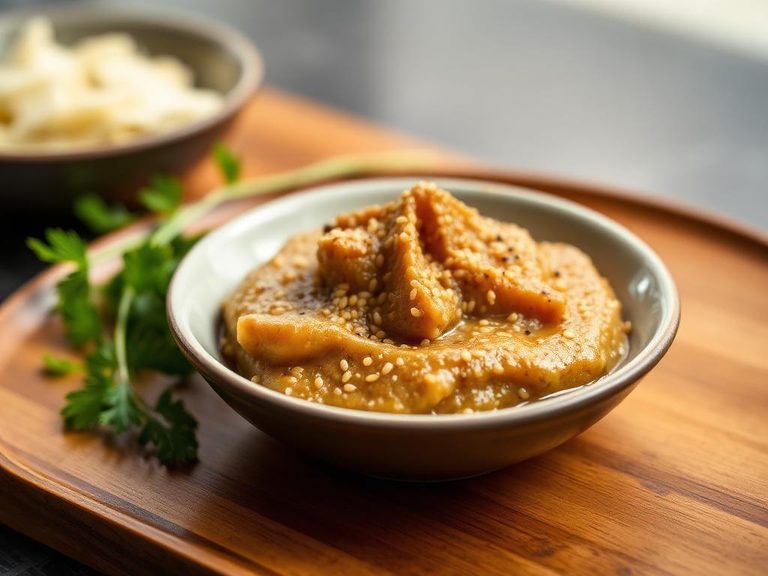
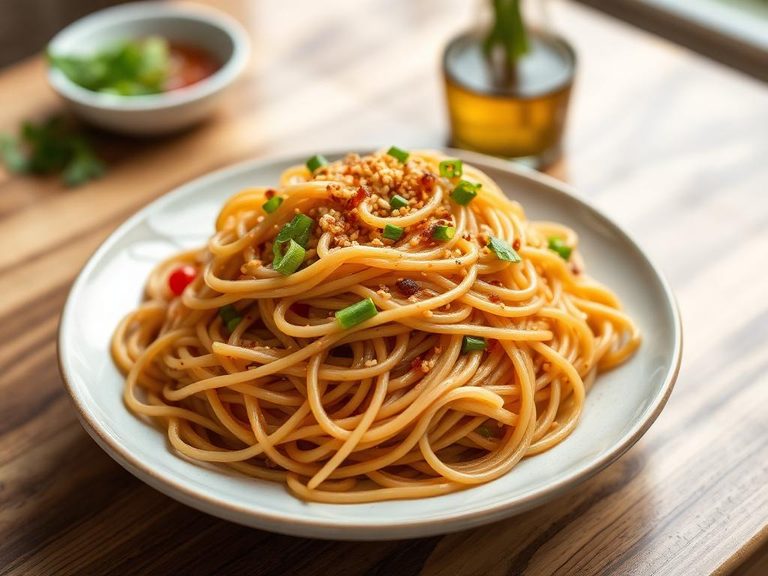
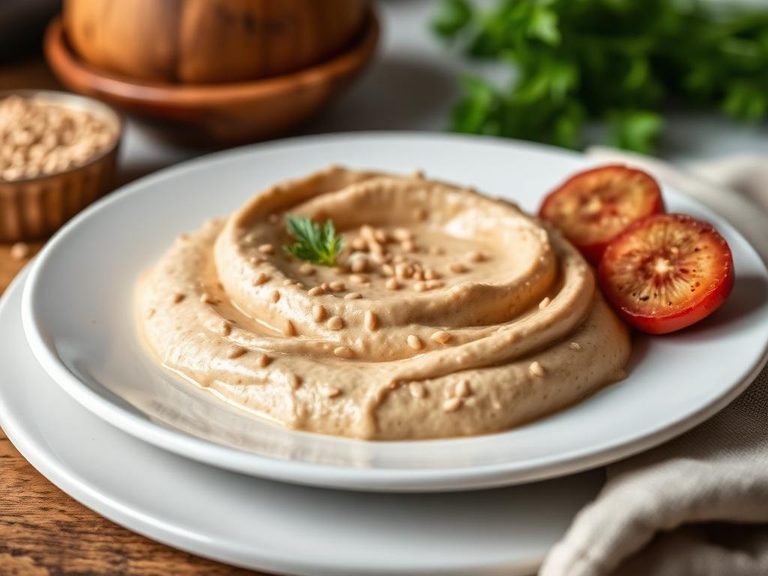
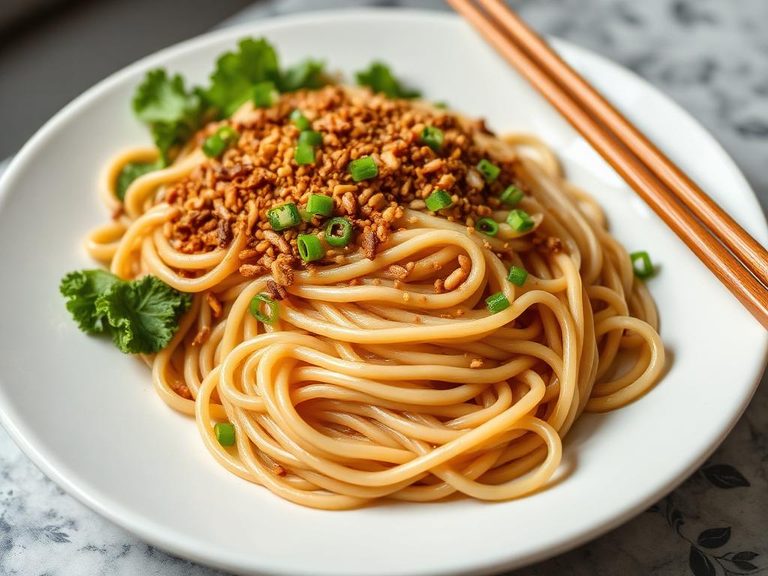
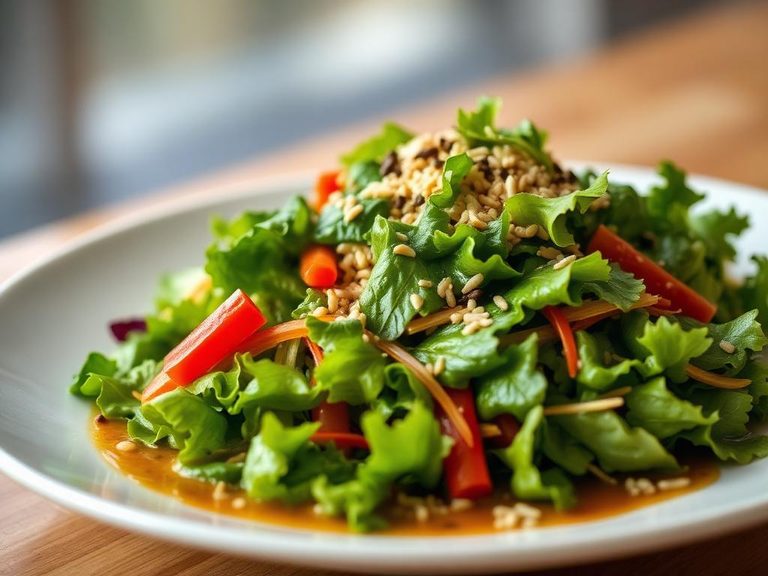
Sesame paste is a rich, creamy condiment made from ground roasted sesame seeds, serving as a fundamental base in many Asian cuisines. It is the key ingredient in dishes like Chinese sesame noodles (ma jiang mian) and Japanese goma-ae, providing a deep, nutty flavor and velvety texture. Originating in East Asia, it is a staple in Chinese, Japanese, and Korean cooking.
🍽️ Nutrition at a glance
Sesame paste is high in healthy fats and provides a good amount of plant-based protein, making it calorie-dense. It is an excellent source of minerals like copper, manganese, and calcium, and offers a rich, savory flavor.
Nutrition breakdown
| Calories | 180 kcal |
| Protein | 5 g |
| Carbs | 6 g |
| Fat | 16 g |
| Fiber | 3 g |
| Sugar | 1 g |
| Sodium | 5 mg |
| Copper | 0.5 mg |
| Manganese | 0.9 mg |
| Calcium | 130 mg |
| Iron | 2.6 mg |
| Magnesium | 60 mg |
| Phosphorus | 180 mg |
| Zinc | 1.4 mg |
| Thiamin (B1) | 0.2 mg |
Per 2 tablespoons (30 g) · estimated, varies by recipe
💡 What's interesting
Culturally, sesame paste is a cornerstone of Northern Chinese cuisine, often used in cold noodle dishes and dipping sauces. Nutritionally, its high content of lignans (sesamin and sesamolin) may have antioxidant properties.