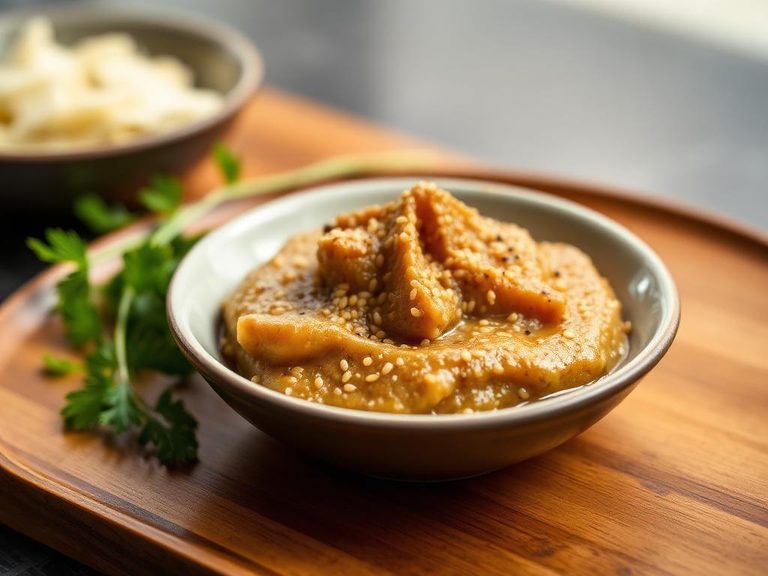
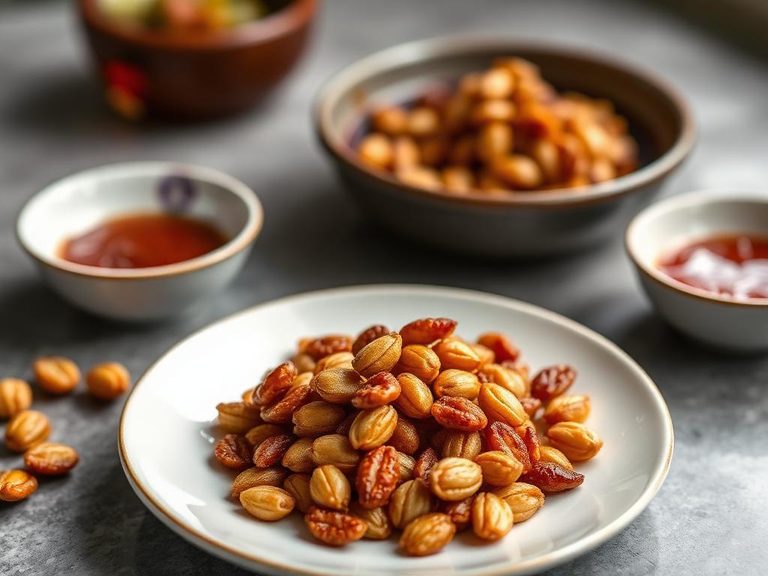
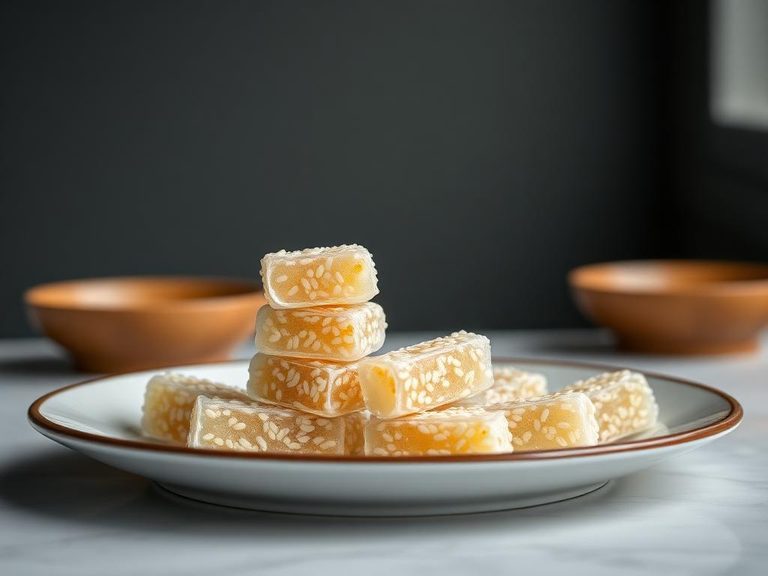
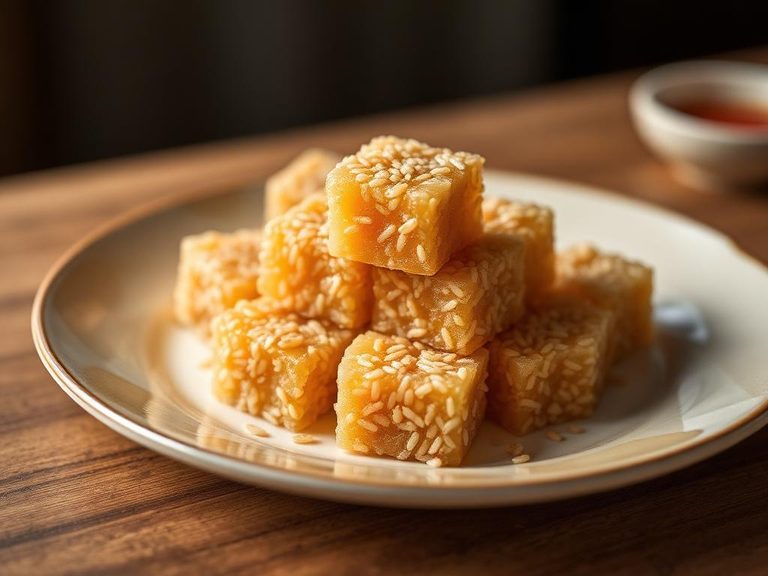
Sesame paste (Tahini) - though often made from whole seeds, defatted meal can be used
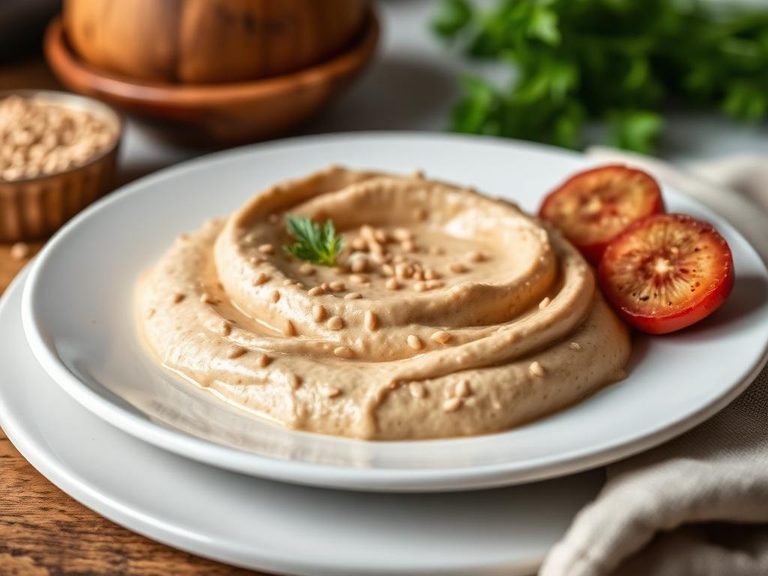
Sesame paste, commonly known as tahini, is a creamy, nutty paste made by grinding toasted or raw sesame seeds into a smooth butter. It is a staple ingredient in Middle Eastern, Mediterranean, and North African cuisines, often used as a base for hummus, dressings, and sauces.
🍽️ Nutrition at a glance
Tahini is high in healthy fats, particularly polyunsaturated and monounsaturated fats, and provides a good source of plant-based protein. It is rich in minerals like calcium, magnesium, and iron, with a typical serving containing around 90-100 calories.
Nutrition breakdown
| Calories | 89 kcal |
| Protein | 2.6 g |
| Carbs | 3.2 g |
| Fat | 8 g |
| Fiber | 1.3 g |
| Sugar | 0.4 g |
| Sodium | 5 mg |
| Calcium | 64 mg |
| Magnesium | 28 mg |
| Iron | 1.4 mg |
| Phosphorus | 62 mg |
| Zinc | 0.7 mg |
| Copper | 0.5 mg |
| Manganese | 0.3 mg |
| Thiamine (B1) | 0.1 mg |
Per 1 tablespoon (15 g) · estimated, varies by recipe
💡 What's interesting
Culturally, tahini is a cornerstone of many traditional dishes, from the iconic hummus to halvah. Nutritionally, it stands out for its high concentration of lignans, antioxidant compounds unique to sesame seeds that may have health benefits.