Salt Cod - though other cod species are more common
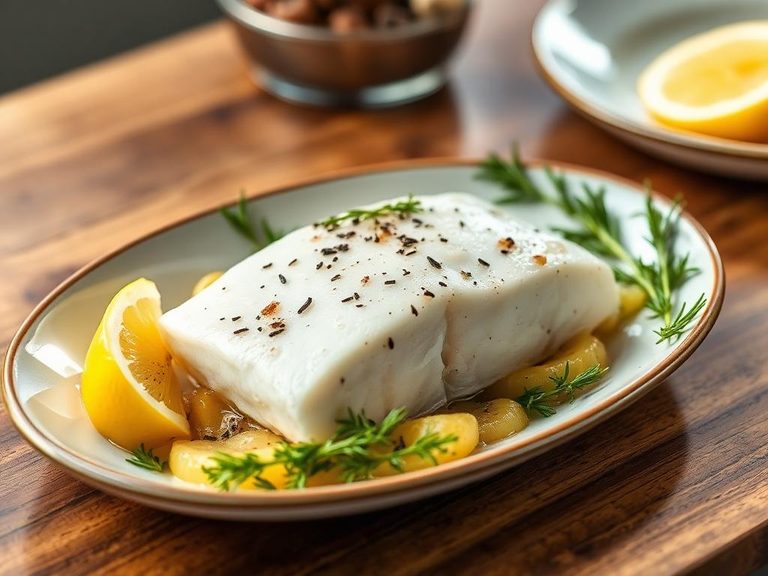
Salt cod, or bacalao, is a dish made from cod that has been preserved in salt and then rehydrated and cooked. It is a staple in many cuisines, particularly in Portugal, Spain, Italy, and parts of the Caribbean, often prepared in stews, fritters, or baked dishes. The process of salting and drying was historically crucial for preserving fish before refrigeration.
🍽️ Nutrition at a glance
Salt cod is an excellent source of high-quality protein and is low in carbohydrates. It provides significant amounts of omega-3 fatty acids, vitamin B12, and minerals like selenium and phosphorus. A typical serving contains roughly 200-300 calories, depending on the preparation method and added fats.
Nutrition breakdown
| Calories | 210 kcal |
| Protein | 40 g |
| Carbs | 0 g |
| Fat | 3 g |
| Fiber | 0 g |
| Sugar | 0 g |
| Sodium | 850 mg |
| Vitamin B12 | 2.5 µg |
| Selenium | 65 µg |
| Phosphorus | 350 mg |
| Niacin (B3) | 4 mg |
| Potassium | 400 mg |
| Magnesium | 50 mg |
| Omega-3 (EPA+DHA) | 500 mg |
| Vitamin B6 | 0.5 mg |
Per 1 piece (150 g), cooked, rehydrated, without added fat · estimated, varies by recipe
💡 What's interesting
The traditional method of preserving cod with salt allowed it to be transported across oceans, making it a key food for long sea voyages and a cornerstone of global trade and cuisine. Nutritionally, the rehydration process before cooking significantly reduces its sodium content, making it a more balanced protein source.
🍽️ Related dishes
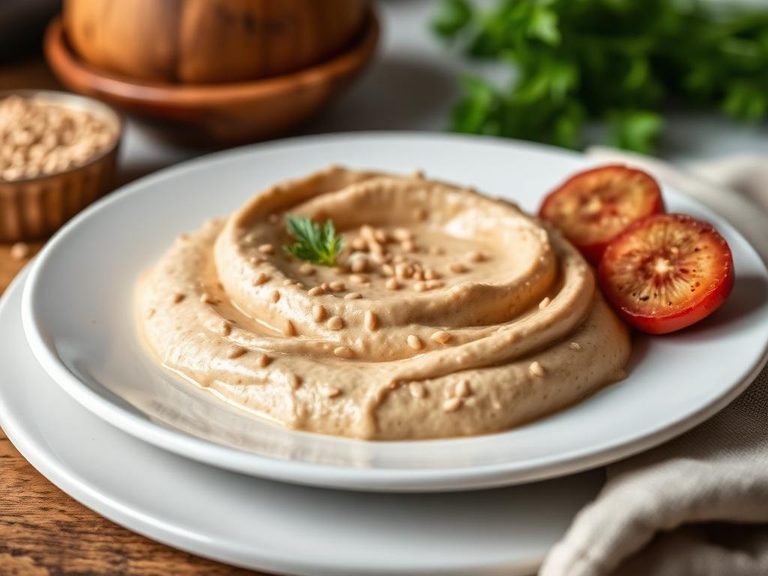 Sesame paste (Tahini) - though often made from whole seeds, defatted meal can be used
 S'mores with saltines instead of graham crackers
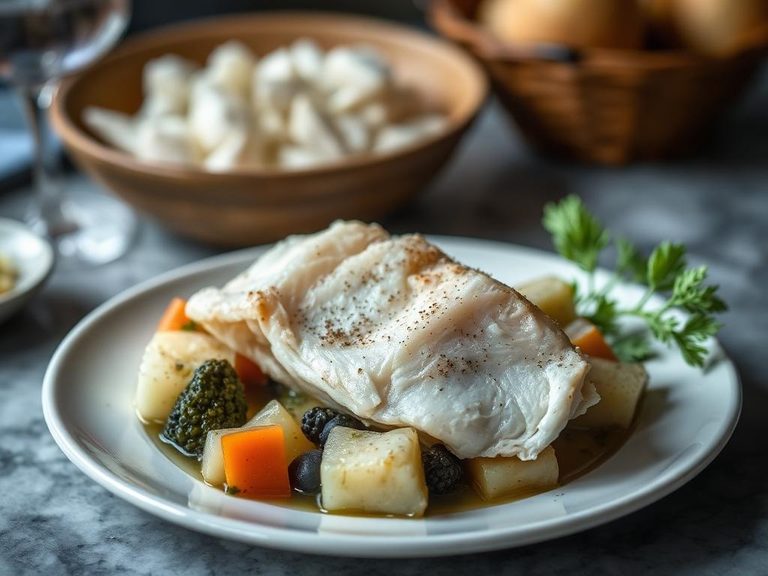 Salt Cod - historically used before preservation techniques advanced
 Salt cod fritters
 Salt Cod and Clam Fritters
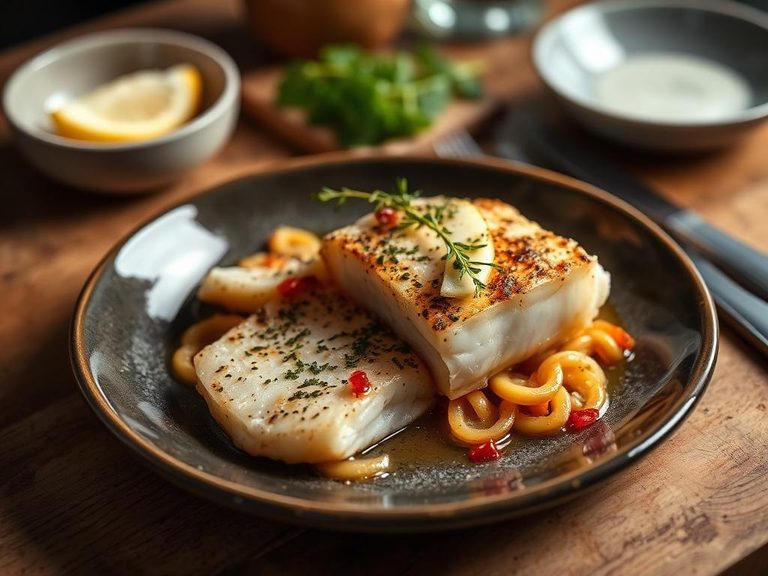 Salt cod
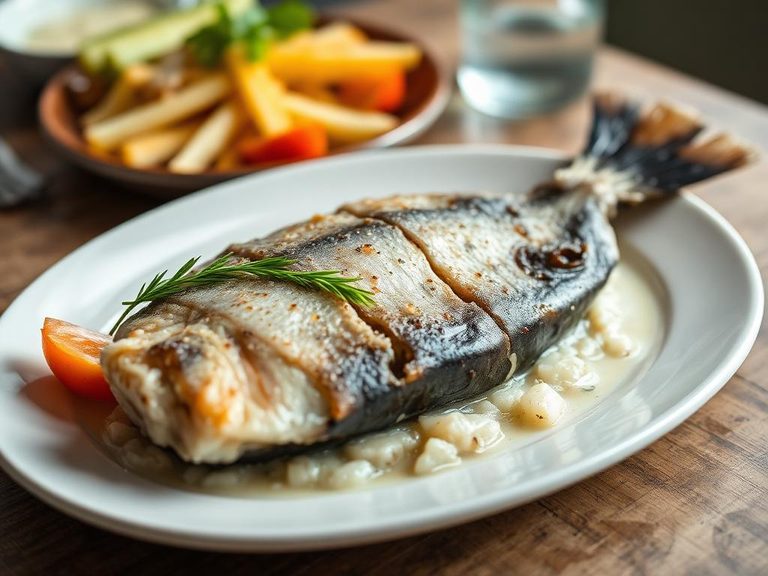 Salted cod dishes, as cusk is sometimes used as a substitute
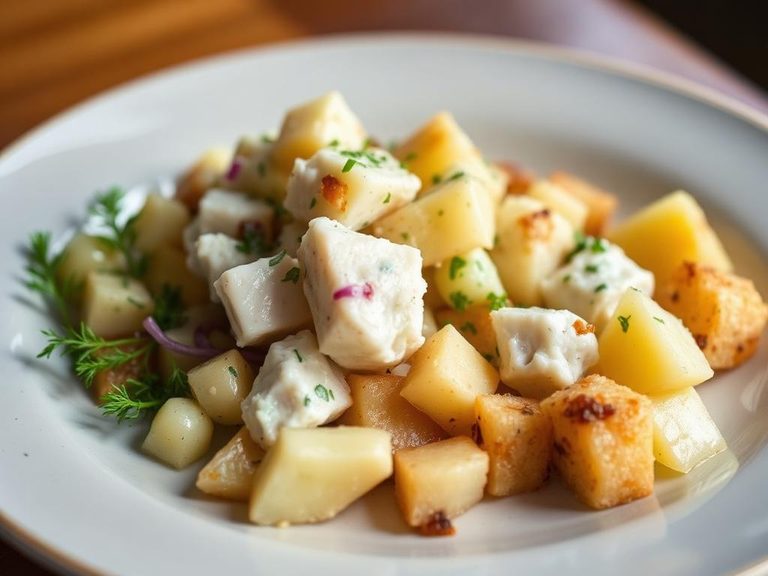 Salt Cod and Potato Salad