Salted cod dishes, as cusk is sometimes used as a substitute
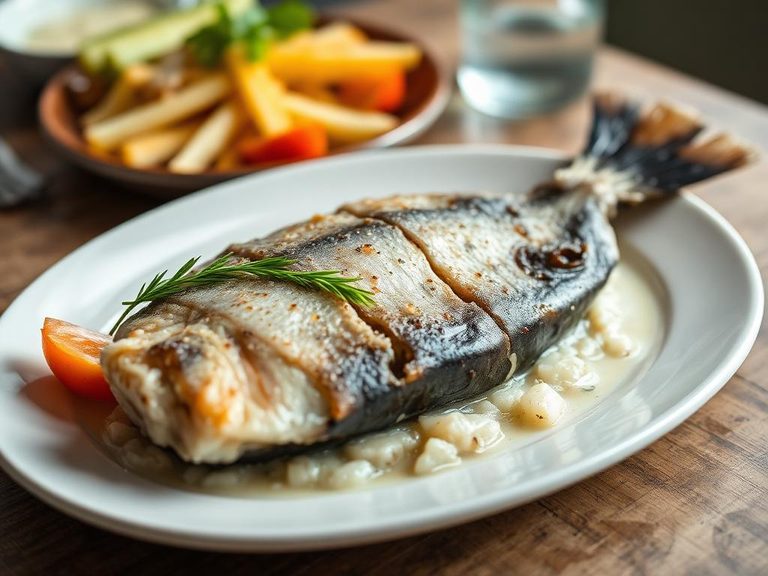
Salted cod dishes refer to a variety of traditional recipes centered on cod that has been preserved through salting and drying, a method known as bacalhau in Portuguese, baccalà in Italian, or bacalao in Spanish. While Atlantic cod is the classic choice, lean white fish like cusk is sometimes used as a more sustainable or affordable substitute. These dishes are staples in coastal cuisines from the Mediterranean to the Caribbean and Scandinavia.
🍽️ Nutrition at a glance
These dishes are typically high in protein and low in carbohydrates, with fat content varying significantly depending on the preparation method, such as baking versus frying. They are an excellent source of high-quality protein, vitamin B12, selenium, and phosphorus, with a typical serving containing roughly 250-350 calories.
Nutrition breakdown
| Calories | 320 kcal |
| Protein | 38 g |
| Carbs | 18 g |
| Fat | 9 g |
| Fiber | 3 g |
| Sugar | 2 g |
| Sodium | 850 mg |
| Vitamin B12 | 3.5 mcg |
| Selenium | 55 mcg |
| Phosphorus | 420 mg |
| Niacin (B3) | 12 mg |
| Potassium | 680 mg |
| Vitamin D | 1.2 mcg |
| Magnesium | 65 mg |
| Vitamin B6 | 0.6 mg |
Per 1 cup (175 g) of baked salted cod with potatoes and vegetables · estimated, varies by recipe
💡 What's interesting
The centuries-old preservation technique of salting cod allowed it to become a global trade commodity and a cornerstone of many national cuisines, often featuring in festive or religious meals. Nutritionally, the rehydration process before cooking reduces the sodium content, making it a heart-healthier option than its preserved state suggests.
🍽️ Related dishes
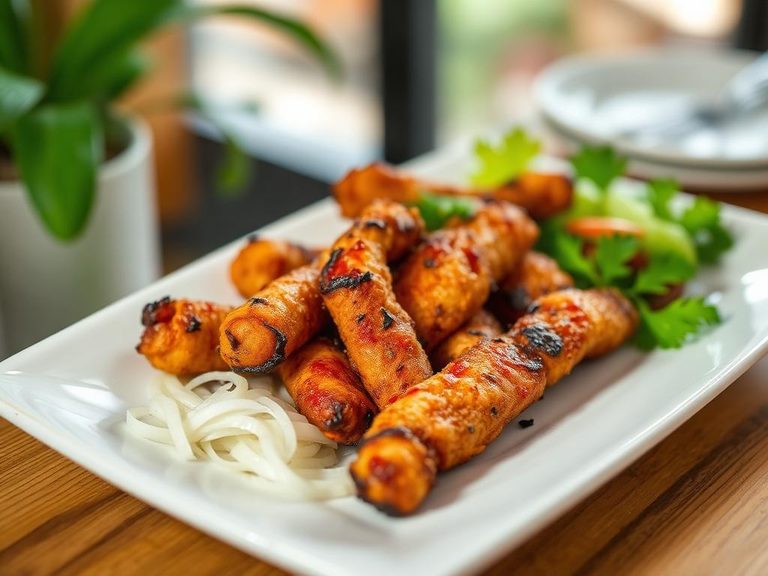 Sometimes lightly fried or grilled
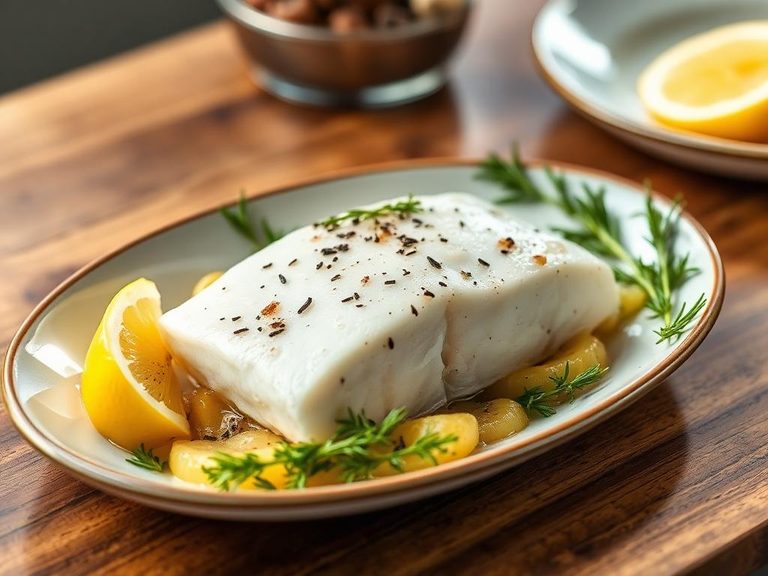 Salt Cod - though other cod species are more common
 Used in baking as a milk substitute in some recipes
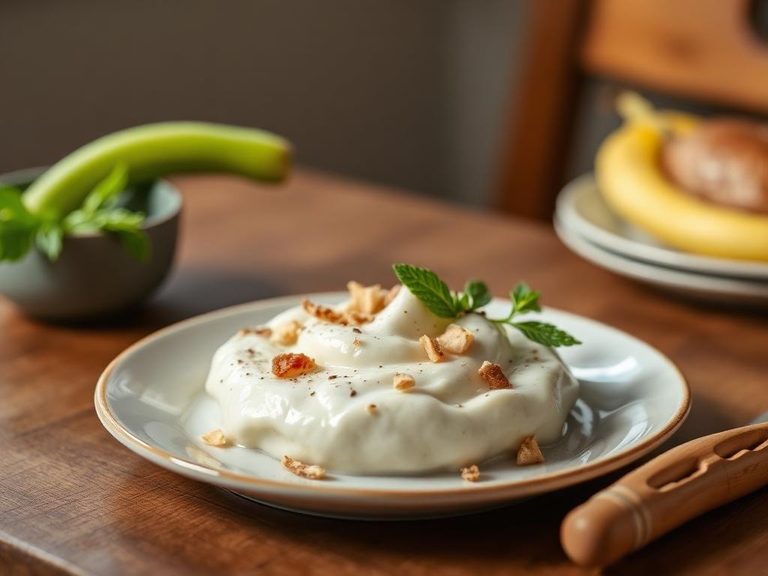 Used as a milk substitute in some infant recipes
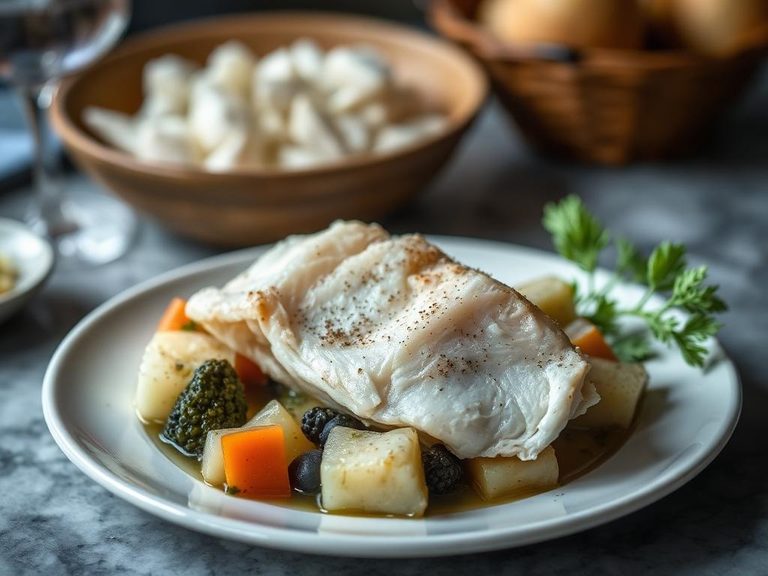 Salt Cod - historically used before preservation techniques advanced
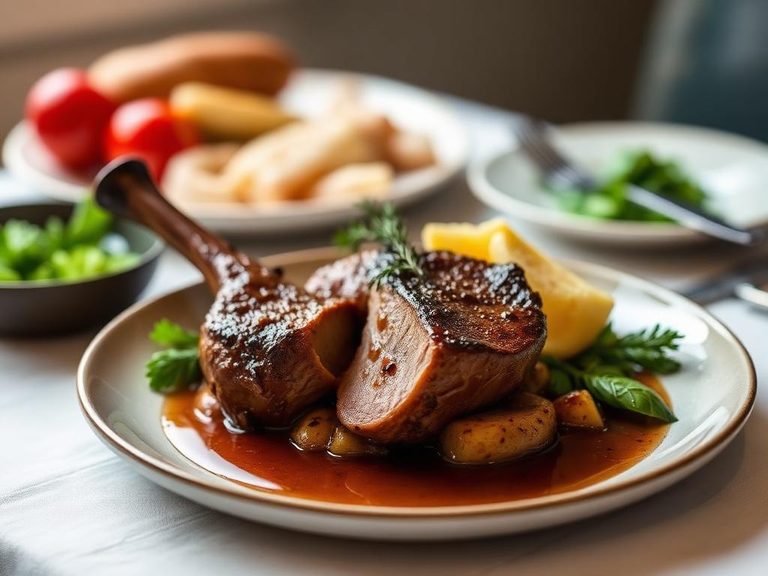 Cusk à la Bordelaise
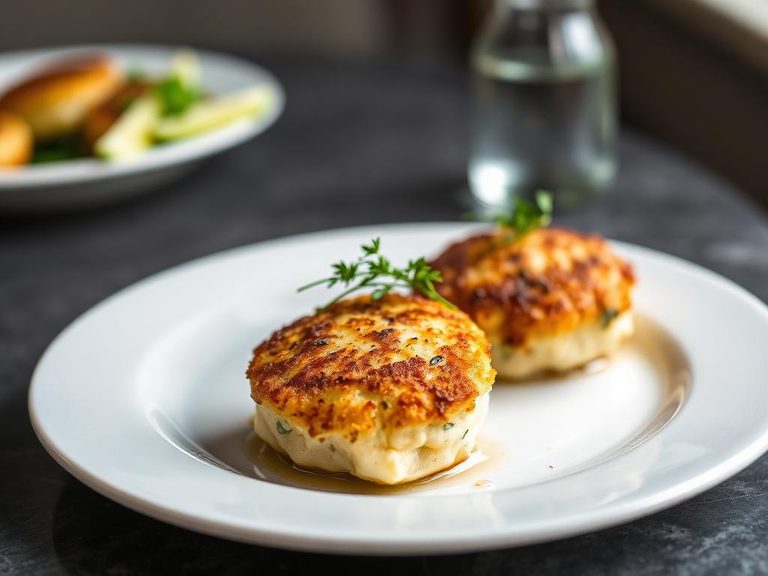 Cusk fish cakes
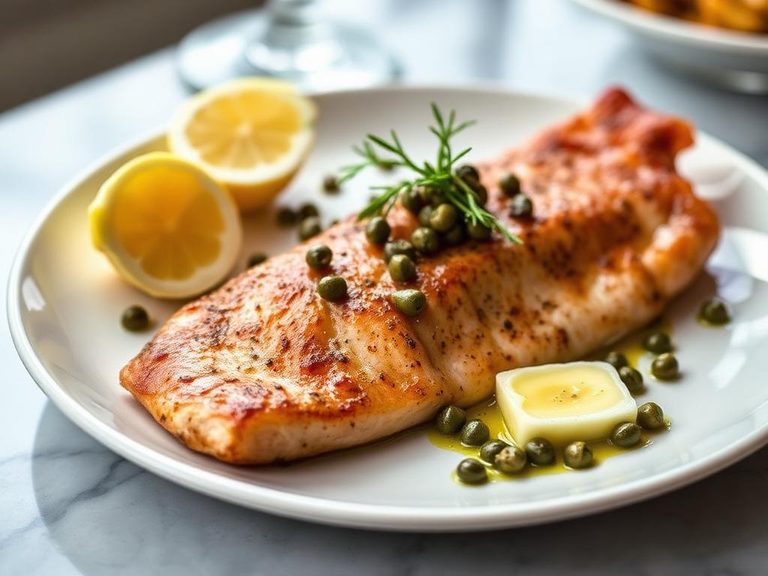 Pan-seared cusk with capers and butter