Used as a milk substitute in some infant recipes
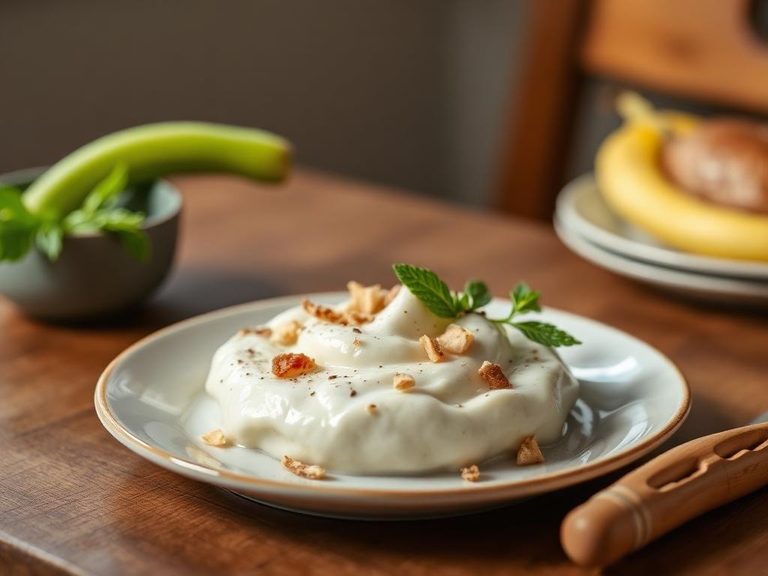
This is a creamy, plant-based milk alternative made from ground almonds and water, often used in infant recipes as a dairy substitute. It's typically made from blanched almonds blended with water and then strained, resulting in a smooth, white liquid. Originating from the Mediterranean and Middle East, it's now a global staple in plant-based diets.
🍽️ Nutrition at a glance
Almond milk is low in calories and protein but can be a good source of healthy fats and certain vitamins. A typical unsweetened serving provides around 30-40 calories, with most commercial versions fortified with calcium and vitamin D.
Nutrition breakdown
| Calories | 39 kcal |
| Protein | 1 g |
| Carbs | 3.4 g |
| Fat | 2.5 g |
| Fiber | 0.5 g |
| Sugar | 2 g |
| Sodium | 186 mg |
| Calcium | 450 mg |
| Vitamin D | 2.5 mcg |
| Vitamin E | 6.8 mg |
| Potassium | 170 mg |
| Magnesium | 15 mg |
| Phosphorus | 20 mg |
| Riboflavin (B2) | 0.2 mg |
| Vitamin A | 110 mcg |
Per 1 cup (240 g) · estimated, varies by recipe
💡 What's interesting
Culturally, it has been used for centuries in regions where dairy was scarce or for those with lactose intolerance. Nutritionally, its light texture and mild flavor make it a versatile base for both sweet and savory dishes, and it's naturally free of cholesterol and lactose.
🍽️ Related dishes
 Used in baking as a milk substitute in some recipes
 Salted cod dishes, as cusk is sometimes used as a substitute
 Indian Paneer substitute in some preparations
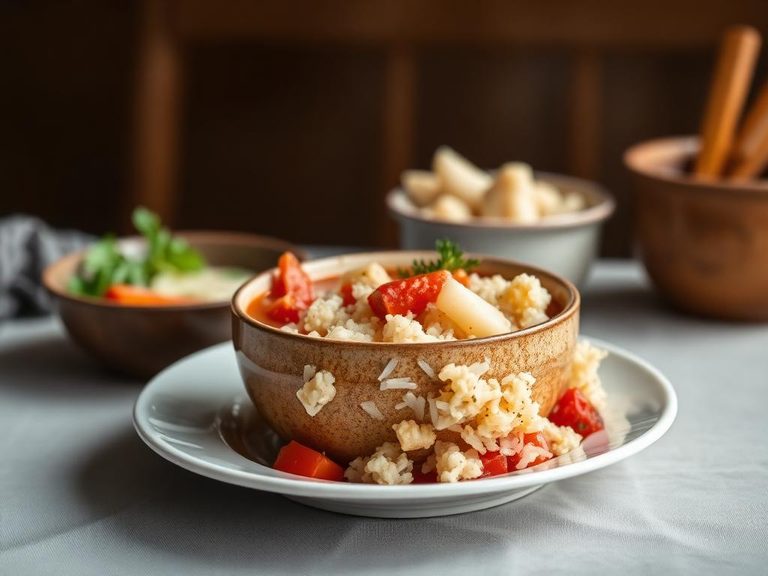 Used as a thickener in some soups or stews
 Used in some medical nutrition shakes under supervision
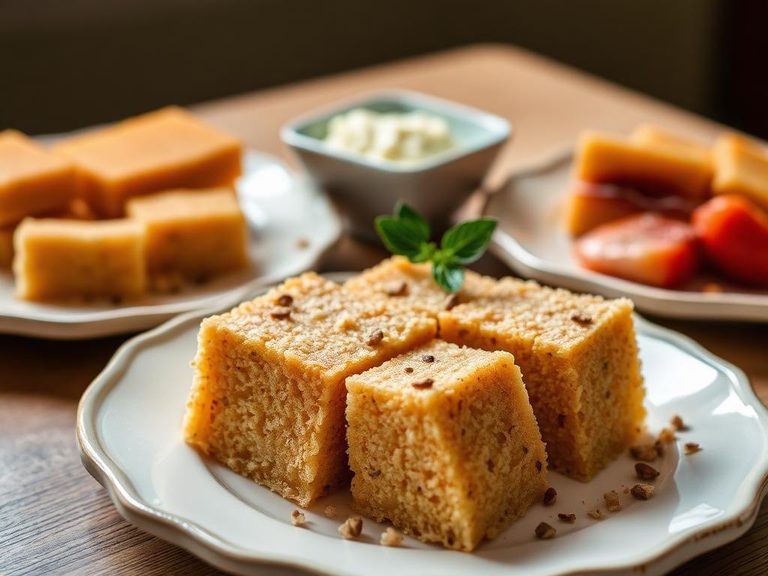 Used in some types of halva
 Baking substitute for milk
 Used in specialty infant cereal