Breads and crackers
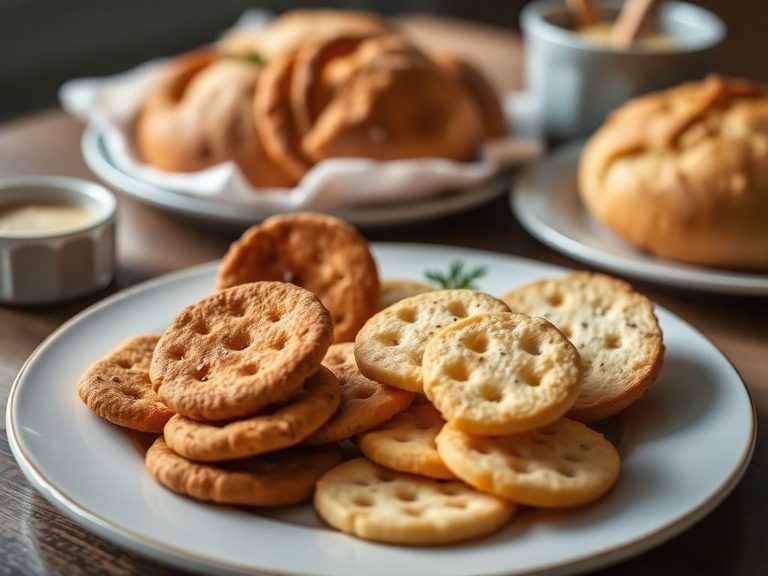
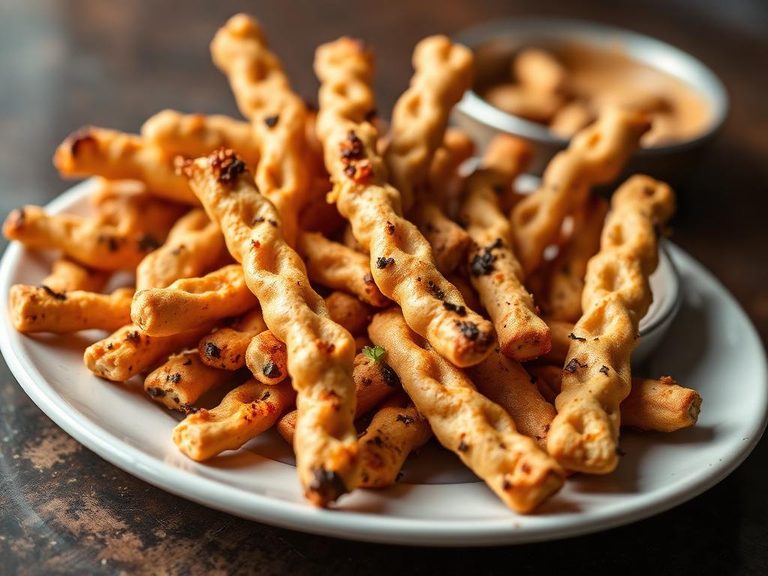
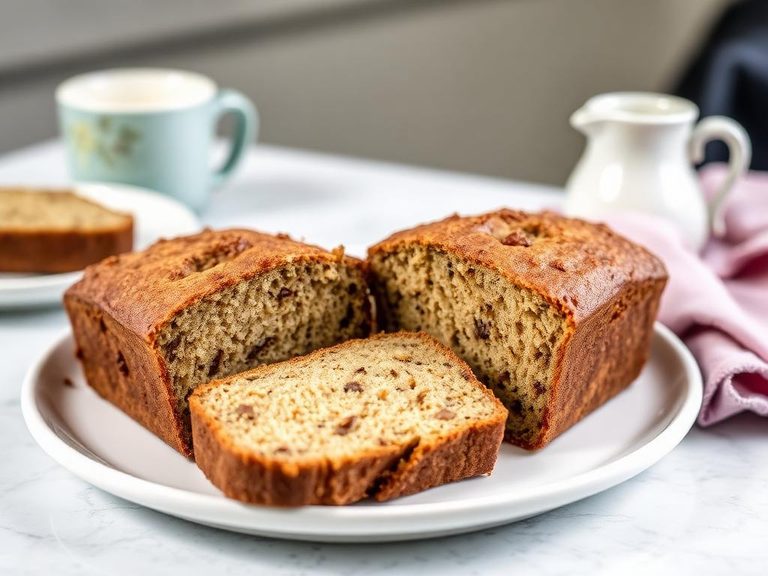
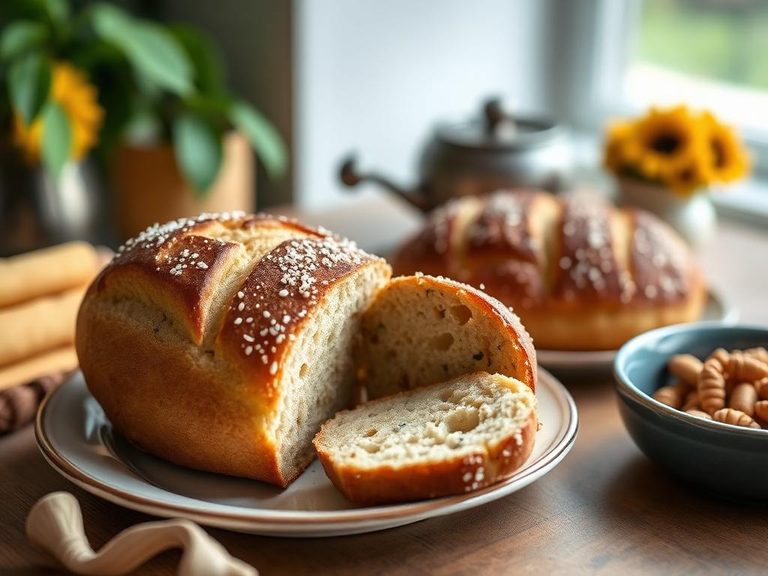
Breads and crackers are staple baked goods made from flour, water, and often yeast or leavening agents, with crackers typically being crisp and flat while breads are softer and more varied in texture. They originate from ancient civilizations across the world, with regional variations like sourdough from Europe, naan from South Asia, and matzo from Jewish tradition.
🍽️ Nutrition at a glance
These foods are primarily high in carbohydrates, providing quick energy, and can range from low to moderate in protein and fat depending on the type. A typical serving offers key nutrients like B vitamins, iron, and fiber, with calories generally between 80-150 kcal per slice or 30g serving.
Nutrition breakdown
| Calories | 150 kcal |
| Protein | 6 g |
| Carbs | 28 g |
| Fat | 2 g |
| Fiber | 4 g |
| Sugar | 4 g |
| Sodium | 300 mg |
| Iron | 2 mg |
| Thiamin (B1) | 0.2 mg |
| Niacin (B3) | 3 mg |
| Folate | 40 mcg |
| Magnesium | 40 mg |
| Phosphorus | 100 mg |
| Selenium | 12 mcg |
| Manganese | 1.5 mg |
Per 2 slices (60 g) of whole wheat bread · estimated, varies by recipe
💡 What's interesting
Culturally, breads and crackers often symbolize sustenance and community, appearing in rituals from the Eucharist to daily meals, while nutritionally, whole-grain versions can be a good source of dietary fiber and support digestive health.