

Seeds, cottonseed flour, low fat (glandless)
Whole food · Nut and Seed Products

Photo: Wikipedia
Glandless cottonseed flour is a finely milled, high-protein powder made from cottonseeds after oil extraction and gossypol removal. It has a mild, slightly nutty flavor and a dry, powdery texture, often used as a protein booster in baked goods and processed foods. With nearly 50g of protein per 100g and minimal fat, it's a potent, low-calorie protein source.
Calorie split: 56% protein · 41% carbs · 4% fat
↓ Full nutrition💚 Why it's loved
Food manufacturers love it for its neutral taste and ability to significantly boost protein content without altering flavor profiles. In regions where it's traditional, it's valued as an affordable, nutrient-dense staple for fortifying breads and porridges.
⚠️ Watch-outs & how to enjoy it better
As a refined flour, it's very low in fiber and can contribute to blood-sugar spikes if used in large quantities alone. It's also a common allergen for some, and its high protein content can be hard on digestion if not introduced gradually. Tip: Combine it with whole-grain flours and a source of healthy fat (like nuts or seeds) in recipes to slow absorption and improve digestibility.
Key benefits
- Exceptionally high in plant-based protein (49.83g per 100g)
- Very low in fat (1.41g per 100g)
- Provides essential minerals like magnesium and phosphorus
- Cost-effective protein fortifier for food manufacturing
- Glandless variety is free of the toxic gossypol found in regular cottonseed
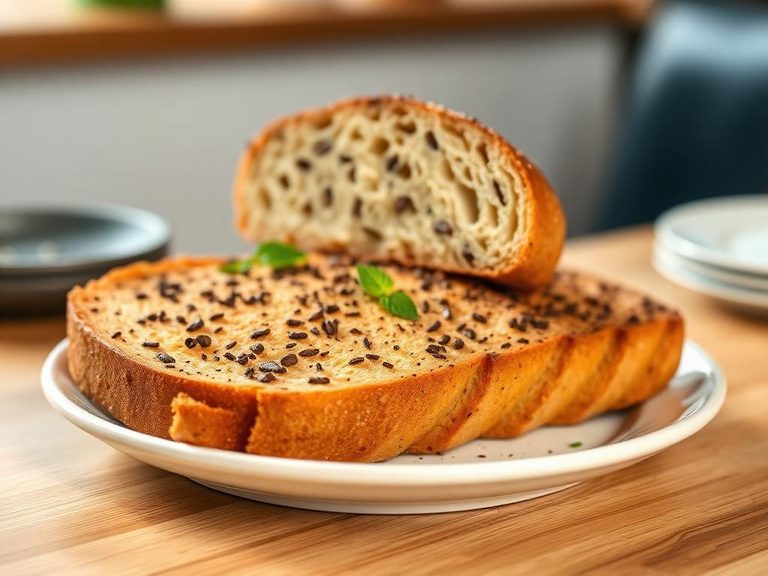
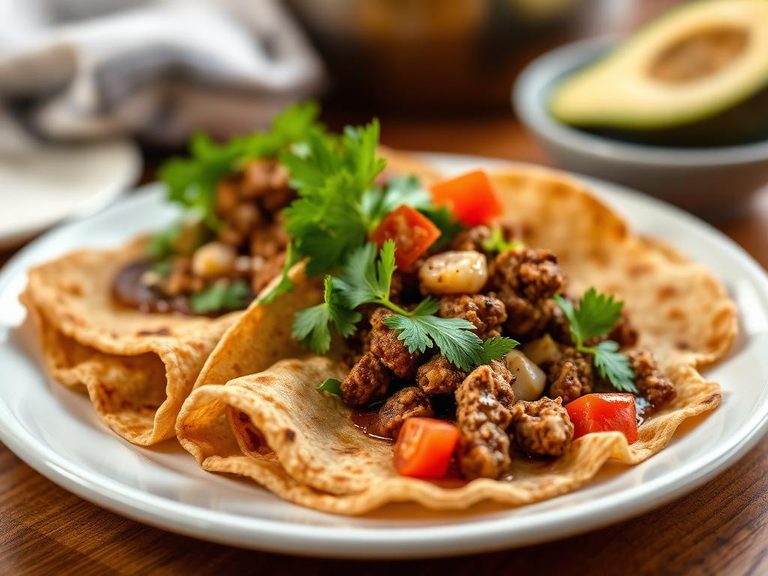
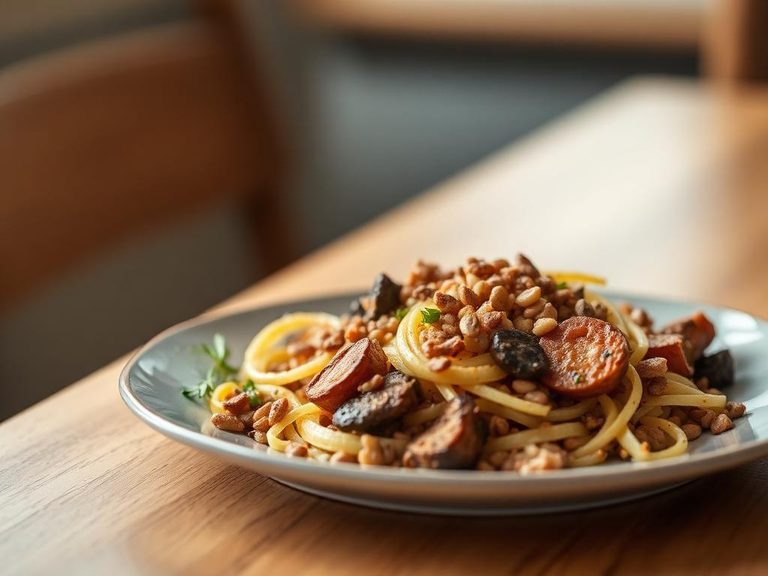
🍽️ Popular dishes



🌍 Where it's eaten
💡 Did you know?
The 'glandless' designation is critical—it refers to a cottonseed variety bred to lack the oil glands that contain gossypol, a natural toxin that made traditional cottonseed flour unsafe for human consumption without extensive processing.
Full nutrition (USDA data · scales with serving)
| Water | 6.9 g |
| Energy | 332 kcal |
| Energy | 1389 kj |
| Protein | 49.8 g |
| Total lipid (fat) | 1.4 g |
| Ash | 5.8 g |
| Carbohydrate, by difference | 36.1 g |
| Calcium, Ca | 474 mg |
| Iron, Fe | 12.6 mg |
| Magnesium, Mg | 716 mg |
| Phosphorus, P | 1587 mg |
| Potassium, K | 1761 mg |
| Sodium, Na | 35.0 mg |
| Zinc, Zn | 11.6 mg |
| Copper, Cu | 1.2 mg |
| Manganese, Mn | 2.1 mg |
| Vitamin C, total ascorbic acid | 2.4 mg |
| Thiamin | 2.1 mg |
| Riboflavin | 0.40 mg |
| Niacin | 4.0 mg |
| Pantothenic acid | 0.45 mg |
| Vitamin B-6 | 0.76 mg |
| Folate, total | 228 ug |
| Folic acid | 0.00 ug |
| Folate, food | 228 ug |
| Folate, DFE | 228 ug |
| Vitamin B-12 | 0.00 ug |
| Vitamin A, RAE | 22.0 ug |
| Retinol | 0.00 ug |
| Vitamin A, IU | 432 iu |
| Vitamin D (D2 + D3), International Units | 0.00 iu |
| Vitamin D (D2 + D3) | 0.00 ug |
Fat & fatty acid profile (per 100g)
| Fatty acids, total saturated | 0.31 g |
| SFA 14:0 | 0.01 g |
| SFA 16:0 | 0.27 g |
| SFA 18:0 | 0.03 g |
| Fatty acids, total monounsaturated | 0.22 g |
| MUFA 16:1 | 0.01 g |
| MUFA 18:1 | 0.21 g |
| Fatty acids, total polyunsaturated | 0.58 g |
| PUFA 18:2 | 0.57 g |
| PUFA 18:3 | 0.00 g |
| Cholesterol | 0.00 mg |
Amino acid profile (per 100g)
| Tryptophan | 0.75 g |
| Threonine | 1.8 g |
| Isoleucine | 1.8 g |
| Leucine | 3.4 g |
| Lysine | 2.5 g |
| Methionine | 0.81 g |
| Cystine | 1.3 g |
| Phenylalanine | 3.1 g |
| Tyrosine | 1.8 g |
| Valine | 2.6 g |
| Arginine | 6.7 g |
| Histidine | 1.6 g |
| Alanine | 2.3 g |
| Aspartic acid | 5.4 g |
| Glutamic acid | 12.5 g |
| Glycine | 2.4 g |
| Proline | 2.1 g |
| Serine | 2.5 g |
FAQ
What is the difference between glandless and regular cottonseed flour?
Glandless cottonseed flour comes from a cotton variety bred to lack gossypol-containing glands, making it safe for direct human food use. Regular cottonseed flour contains gossypol, a toxic compound that requires complex chemical processing to remove.
Is cottonseed flour gluten-free?
Yes, cottonseed flour itself is gluten-free. However, it is often used as an additive in wheat-based products like bread and pasta, so always check the final product's ingredients for gluten sources.
Can I use it as a 1:1 replacement for wheat flour in baking?
No. Its high protein and low gluten content mean it won't provide the same structure. It's best used as a protein booster, substituting 10-25% of the wheat flour in a recipe to maintain texture while increasing nutrition.
Nutrient density (calculated · NRF9.3)
Nutrient Rich Foods index: beneficial nutrients (protein, fiber, vitamins, minerals) minus saturated fat, added sugar & sodium, per 100 kcal.
NRF9.3 index — Fulgoni, Keast & Drewnowski, 2009. Computed from USDA nutrients.
Weight-loss friendliness (composite index)
Energy density 3.32 kcal/g · 60% calories from protein · 0.0 g fiber · 0.0 g sugar per 100 g.
Composite of energy density (Rolls et al., 1999), protein & fiber satiety, minus sugar. A calculated heuristic — ranks satiety-per-calorie, not a clinical measure.
Dietary load (calculated from USDA values)
Potential renal acid load. Positive = acid-forming, negative = alkaline-forming.
Sodium-to-potassium ratio: 0.02 (lower is better — aim for ≤ 1)
Sodium:potassium per WHO potassium guidance. Computed from USDA nutrients.