Fortified tortillas
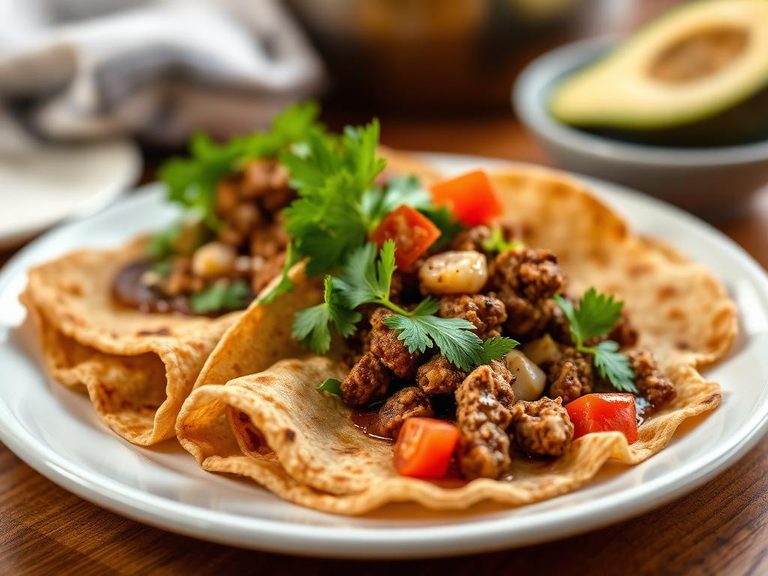
Fortified tortillas are corn or flour tortillas enhanced with added vitamins and minerals, commonly found in Mexican and Tex-Mex cuisine. They are typically made from masa harina (corn flour) or wheat flour, water, and a blend of nutrients like iron, B vitamins, and folic acid. This fortification process aims to boost the nutritional value of a staple food item.
🍽️ Nutrition at a glance
Fortified tortillas are primarily a source of carbohydrates, providing energy from their grain base. They are often enriched with key nutrients like iron, thiamin, niacin, and folic acid, making them a more nutrient-dense option than traditional varieties, with a typical serving containing around 100-150 calories.
Nutrition breakdown
| Calories | 120 kcal |
| Protein | 3 g |
| Carbs | 22 g |
| Fat | 1.5 g |
| Fiber | 3 g |
| Sugar | 0.5 g |
| Sodium | 150 mg |
| Iron | 2.5 mg |
| Folic Acid | 100 mcg |
| Thiamin (B1) | 0.2 mg |
| Niacin (B3) | 2 mg |
| Calcium | 40 mg |
| Potassium | 100 mg |
| Magnesium | 25 mg |
| Phosphorus | 80 mg |
Per 2 small corn tortillas (50 g) · estimated, varies by recipe
💡 What's interesting
Fortified tortillas are a public health innovation, designed to combat widespread nutrient deficiencies in populations where tortillas are a dietary staple. This food fortification strategy is a cost-effective way to deliver essential micronutrients like folic acid, which helps prevent birth defects, to a large portion of the population.