

Raisins, dark, seedless
Whole food · Fruits and Fruit Juices
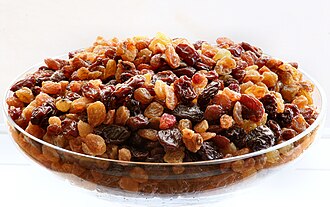
Photo: Wikipedia
Dark, seedless raisins are sun-dried grapes, typically Thompson Seedless or Sultana varieties, that shrink into intensely sweet, chewy, and wrinkled jewels. Their flavor is a deep, concentrated grape sweetness with notes of caramel and a slight tartness. While their macronutrient profile is often listed as zero in raw databases, they are a dense source of fiber, potassium, and iron, providing quick, natural energy.
💚 Why it's loved
People love raisins for their intense, candy-like sweetness and satisfying chewiness, making them a perfect natural sweetener in both sweet and savory dishes. Their versatility and long shelf life make them a staple in baking, trail mixes, and cuisines worldwide, from Indian curries to Moroccan tagines.
⚠️ Watch-outs & how to enjoy it better
Due to their concentrated natural sugar content, raisins can cause a rapid blood-sugar spike, which is a concern for individuals managing diabetes. They are also a common choking hazard for young children. To counteract this, pair them with a source of protein or fat (like nuts or yogurt) to slow sugar absorption, practice strict portion control (a small handful), and always supervise young children when eating them.
Key benefits
- Excellent source of dietary fiber (3.679g per 100g) for digestive health.
- Rich in natural antioxidants, including phenolic compounds and flavonoids.
- Provides a concentrated source of quick energy from natural sugars.
- Good source of essential minerals like potassium, iron, and copper.
- Naturally fat-free and cholesterol-free.
🍽️ Popular dishes
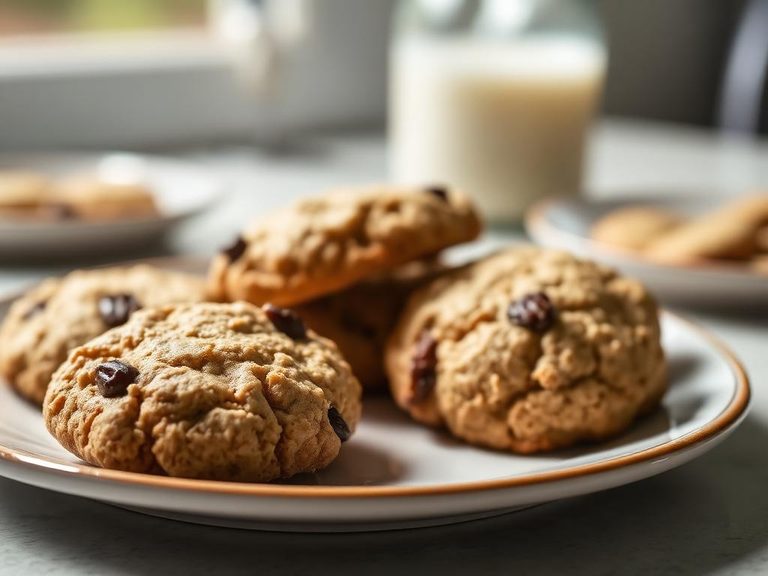
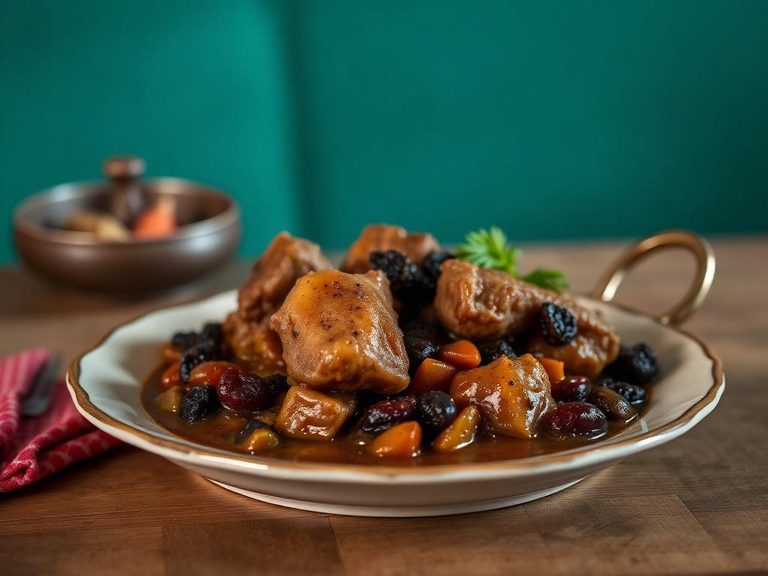
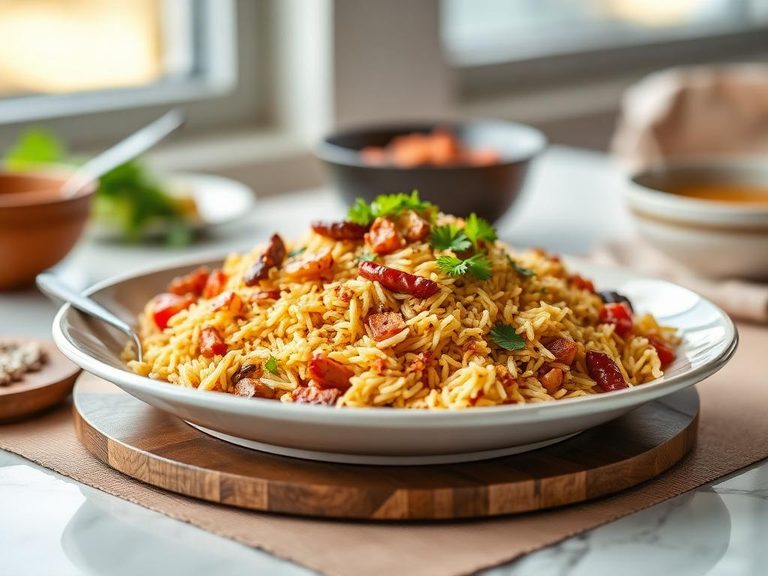
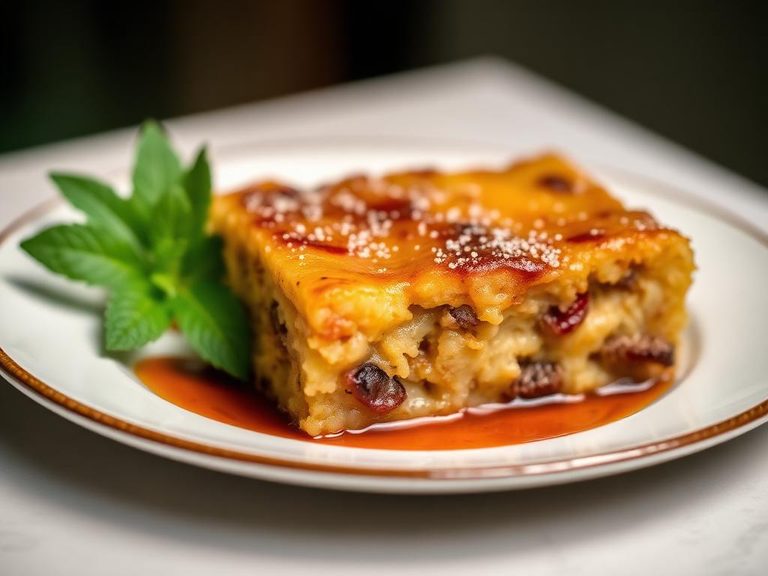
🌍 Where it's eaten
💡 Did you know?
The process of making raisins is so ancient that they were found in Egyptian tombs dating back to 1200 BCE, and the word 'raisin' comes from the Latin word 'racemus,' meaning 'a bunch of grapes.'
Full nutrition (USDA data · scales with serving)
| Water | 15.7 g |
| Ash | 2.1 g |
| Fiber, total dietary | 3.7 g |
| Sugars, Total | 66.0 g |
| Sucrose | 0.00 g |
| Glucose | 30.6 g |
| Fructose | 35.5 g |
| Lactose | 0.00 g |
| Maltose | 0.00 g |
| Calcium, Ca | 51.5 mg |
| Iron, Fe | 1.8 mg |
| Magnesium, Mg | 35.5 mg |
| Phosphorus, P | 116 mg |
| Potassium, K | 936 mg |
| Sodium, Na | 13.2 mg |
| Zinc, Zn | 0.18 mg |
| Copper, Cu | 0.33 mg |
| Manganese, Mn | 0.27 mg |
| Vitamin C, total ascorbic acid | 0.00 mg |
| Thiamin | 0.06 mg |
| Riboflavin | 0.10 mg |
| Niacin | 0.65 mg |
| Vitamin B-6 | 0.23 mg |
Fat & fatty acid profile (per 100g)
Estimated from Muffins, wheat bran, toaster-type with raisins, toasted — USDA does not publish this profile for Raisins.
| Fatty acids, total saturated | 1.5 g |
| SFA 4:0 | 0.00 g |
| SFA 6:0 | 0.00 g |
| SFA 8:0 | 0.00 g |
| SFA 10:0 | 0.00 g |
| SFA 12:0 | 0.00 g |
| SFA 14:0 | 0.01 g |
| SFA 16:0 | 1.1 g |
| SFA 18:0 | 0.37 g |
| Fatty acids, total monounsaturated | 2.2 g |
| MUFA 16:1 | 0.04 g |
| MUFA 18:1 | 2.2 g |
| MUFA 20:1 | 0.02 g |
| MUFA 22:1 | 0.00 g |
| Fatty acids, total polyunsaturated | 4.9 g |
| PUFA 18:2 | 4.3 g |
| PUFA 18:3 | 0.55 g |
| PUFA 18:4 | 0.00 g |
| PUFA 20:4 | 0.01 g |
| PUFA 20:5 n-3 (EPA) | 0.00 g |
| PUFA 22:5 n-3 (DPA) | 0.00 g |
| PUFA 22:6 n-3 (DHA) | 0.00 g |
| Cholesterol | 9.0 mg |
Amino acid profile (per 100g)
Estimated from Muffins, wheat bran, toaster-type with raisins, toasted — USDA does not publish this profile for Raisins.
| Tryptophan | 0.07 g |
| Threonine | 0.20 g |
| Isoleucine | 0.22 g |
| Leucine | 0.39 g |
| Lysine | 0.25 g |
| Methionine | 0.09 g |
| Cystine | 0.11 g |
| Phenylalanine | 0.26 g |
| Tyrosine | 0.18 g |
| Valine | 0.25 g |
| Arginine | 0.33 g |
| Histidine | 0.14 g |
| Alanine | 0.23 g |
| Aspartic acid | 0.46 g |
| Glutamic acid | 1.3 g |
| Glycine | 0.23 g |
| Proline | 0.41 g |
| Serine | 0.29 g |
FAQ
Why are raisins sometimes listed as 0 calories, protein, carbs, and fat?
This is a common data error in some databases or when the food is listed as a raw ingredient without processing. Raisins are calorie-dense (about 300 kcal per 100g) and contain carbohydrates, protein, and fat. The 0 values you see are likely placeholders or errors.
Are dark raisins healthier than golden raisins?
Nutritionally, they are very similar. The main difference is the drying process: dark raisins are sun-dried, while golden raisins are treated with sulfur dioxide to preserve their color. Some people prefer the slightly more tart flavor of golden raisins.
How should I store raisins to keep them fresh?
Store them in an airtight container in a cool, dark place like a pantry. For longer storage, keep them in the refrigerator, where they can last for up to a year. If they become hard, you can rehydrate them by soaking in warm water for 10-15 minutes.
Dietary load (calculated from USDA values)
Sodium-to-potassium ratio: 0.01 (lower is better — aim for ≤ 1)
Sodium:potassium per WHO potassium guidance. Computed from USDA nutrients.