

Peas, green, canned, seasoned, solids and liquids
Whole food · Vegetables and Vegetable Products

Photo: Wikipedia
These are tender green peas, preserved in a seasoned canning liquid that infuses them with a savory, slightly salty flavor. The texture is soft yet retains a gentle pop, making them a convenient, low-calorie staple. With a solid 3.09g of protein per 100g and virtually no fat, they are a lean, fiber-rich addition to any meal.
Calorie split: 24% protein · 71% carbs · 5% fat
↓ Full nutrition💚 Why it's loved
People love the sweet-savory balance and the satisfying, soft bite that requires no cooking. Their versatility makes them a go-to for quick side dishes, soups, and stews across many cultures.
⚠️ Watch-outs & how to enjoy it better
The added seasoning can mean higher sodium, which may be a concern for those managing blood pressure. To counteract, rinse the peas under cold water to reduce sodium content and pair them with a healthy fat or protein source to moderate the glycemic impact. Also, individuals with gout should be mindful of purine content.
Key benefits
- High in plant-based protein for a vegetable
- Excellent source of dietary fiber (2g per 100g)
- Very low in fat (0.27g per 100g)
- Provides essential vitamins like Vitamin K and folate
- Convenient, shelf-stable, and quick to prepare
🍽️ Popular dishes
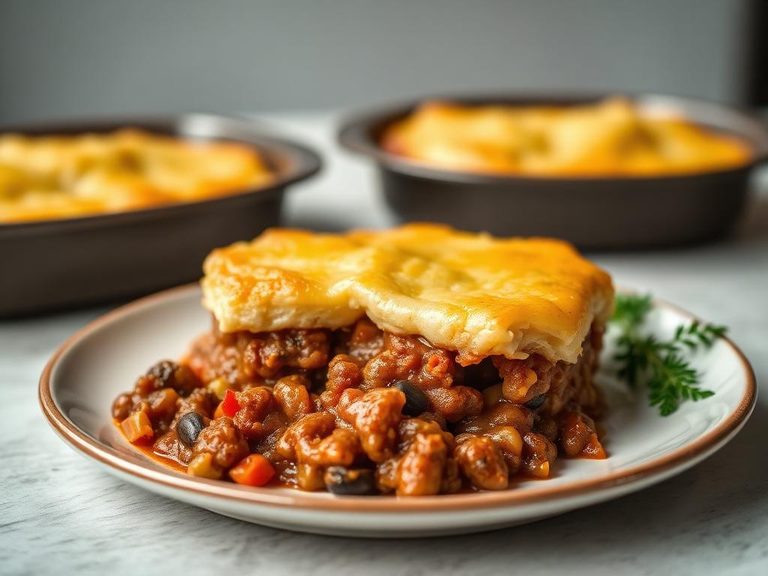
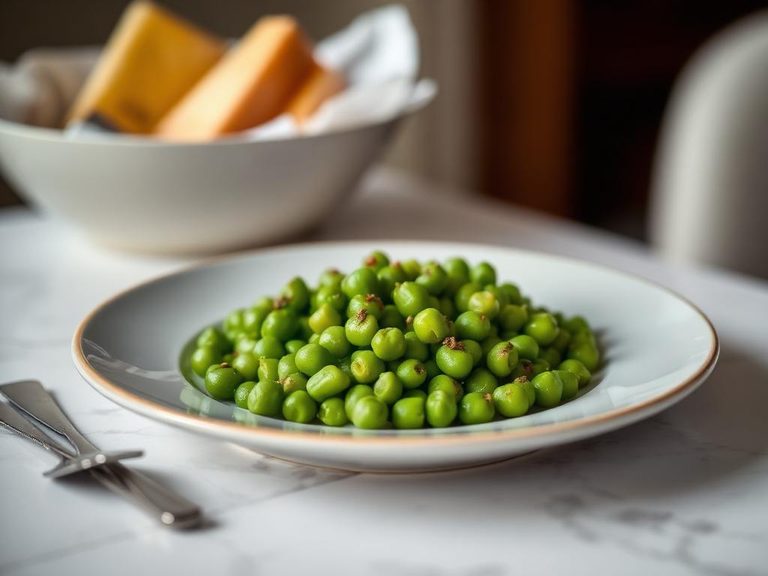
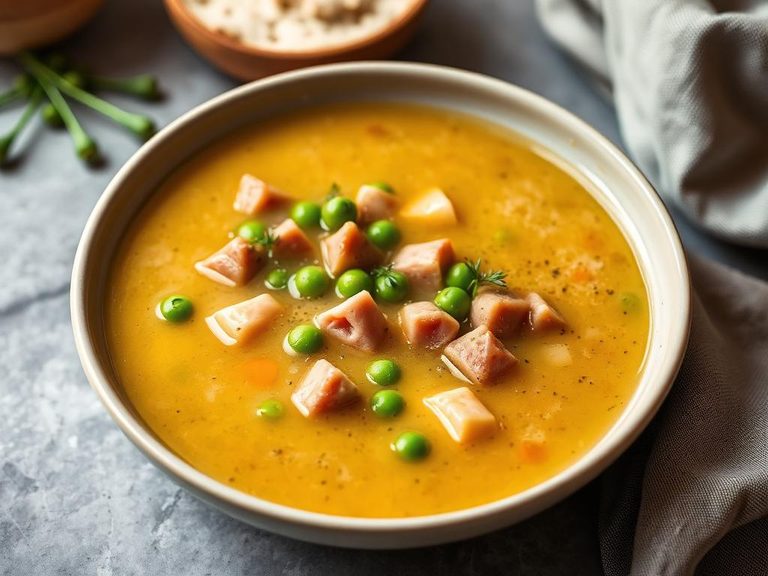
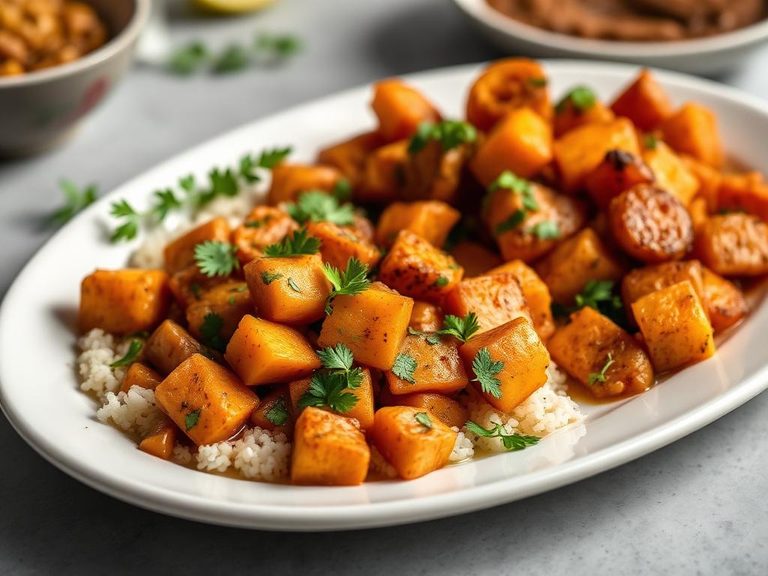


🌍 Where it's eaten
💡 Did you know?
Canned green peas were a staple of the U.S. military's C-Rations and K-Rations during World War II, valued for their long shelf life and nutritional density.
Full nutrition (USDA data · scales with serving)
| Water | 86.5 g |
| Energy | 50.0 kcal |
| Energy | 209 kj |
| Protein | 3.1 g |
| Total lipid (fat) | 0.27 g |
| Ash | 0.88 g |
| Carbohydrate, by difference | 9.3 g |
| Fiber, total dietary | 2.0 g |
| Calcium, Ca | 15.0 mg |
| Iron, Fe | 1.2 mg |
| Magnesium, Mg | 15.0 mg |
| Phosphorus, P | 54.0 mg |
| Potassium, K | 122 mg |
| Sodium, Na | 254 mg |
| Zinc, Zn | 0.65 mg |
| Copper, Cu | 0.10 mg |
| Manganese, Mn | 0.27 mg |
| Selenium, Se | 1.3 ug |
| Vitamin C, total ascorbic acid | 11.5 mg |
| Thiamin | 0.10 mg |
| Riboflavin | 0.07 mg |
| Niacin | 0.69 mg |
| Pantothenic acid | 0.09 mg |
| Vitamin B-6 | 0.10 mg |
| Folate, total | 29.0 ug |
| Folic acid | 0.00 ug |
| Folate, food | 29.0 ug |
| Folate, DFE | 29.0 ug |
| Vitamin B-12 | 0.00 ug |
| Vitamin A, RAE | 22.0 ug |
| Retinol | 0.00 ug |
| Vitamin A, IU | 433 iu |
| Vitamin D (D2 + D3), International Units | 0.00 iu |
| Vitamin D (D2 + D3) | 0.00 ug |
Fat & fatty acid profile (per 100g)
| Fatty acids, total saturated | 0.05 g |
| SFA 16:0 | 0.04 g |
| SFA 18:0 | 0.01 g |
| Fatty acids, total monounsaturated | 0.02 g |
| MUFA 18:1 | 0.02 g |
| Fatty acids, total polyunsaturated | 0.13 g |
| PUFA 18:2 | 0.10 g |
| PUFA 18:3 | 0.02 g |
| Fatty acids, total trans | 0.00 g |
| Cholesterol | 0.00 mg |
Amino acid profile (per 100g)
| Tryptophan | 0.02 g |
| Threonine | 0.12 g |
| Isoleucine | 0.11 g |
| Leucine | 0.18 g |
| Lysine | 0.18 g |
| Methionine | 0.05 g |
| Cystine | 0.02 g |
| Phenylalanine | 0.11 g |
| Tyrosine | 0.07 g |
| Valine | 0.13 g |
| Arginine | 0.24 g |
| Histidine | 0.06 g |
| Alanine | 0.14 g |
| Aspartic acid | 0.28 g |
| Glutamic acid | 0.42 g |
| Glycine | 0.10 g |
| Proline | 0.10 g |
| Serine | 0.10 g |
FAQ
Are canned peas as nutritious as fresh or frozen peas?
Canned peas retain most of their vitamins and minerals, but the canning process can reduce some heat-sensitive nutrients like Vitamin C. The added seasoning can increase sodium, so rinsing is recommended.
How can I reduce the sodium in canned peas?
Simply rinse the peas in a colander under cold running water for about 30 seconds. This can remove up to 40% of the added sodium.
Can I eat canned peas straight from the can?
Yes, they are fully cooked and safe to eat cold, but they are often more enjoyable when heated. They can be microwaved, simmered, or added directly to hot dishes.
Nutrient density (calculated · NRF9.3)
Nutrient Rich Foods index: beneficial nutrients (protein, fiber, vitamins, minerals) minus saturated fat, added sugar & sodium, per 100 kcal.
NRF9.3 index — Fulgoni, Keast & Drewnowski, 2009. Computed from USDA nutrients.
Weight-loss friendliness (composite index)
Energy density 0.50 kcal/g · 25% calories from protein · 2.0 g fiber · 0.0 g sugar per 100 g.
Composite of energy density (Rolls et al., 1999), protein & fiber satiety, minus sugar. A calculated heuristic — ranks satiety-per-calorie, not a clinical measure.
Dietary load (calculated from USDA values)
Potential renal acid load. Positive = acid-forming, negative = alkaline-forming.
Sodium-to-potassium ratio: 2.08 (lower is better — aim for ≤ 1)
Sodium:potassium per WHO potassium guidance. Computed from USDA nutrients.