

Passion fruit juice, 100%
Common food

Photo: Wikipedia
Pure passion fruit juice is a vibrant, tropical elixir with a uniquely intense, tangy-sweet flavor and a slightly pulpy, aromatic texture. It's a concentrated source of natural sugars and carbohydrates, providing a quick energy boost with minimal fat and protein. The juice is celebrated for its bright, floral notes that are both refreshing and complex.
Calorie split: 3% protein · 96% carbs · 1% fat
↓ Full nutrition💚 Why it's loved
People adore its intoxicating, aromatic fragrance and the perfect balance of sweet and tart that makes it feel both luxurious and refreshing. Its versatility allows it to be a star in cocktails, smoothies, and desserts, evoking a sense of tropical escape.
⚠️ Watch-outs & how to enjoy it better
Its high natural sugar content (13.4g per 100g) can cause rapid blood sugar spikes, making it a consideration for those managing diabetes or insulin resistance. To mitigate this, pair it with a source of protein or healthy fat (like Greek yogurt or nuts) to slow sugar absorption, or dilute it with water or sparkling water for a lighter drink with less sugar per serving.
Key benefits
- Rich in vitamin C, an antioxidant that supports immune function.
- Contains dietary fiber, even in juice form, aiding digestion.
- Provides quick, natural energy from its carbohydrate content.
- Offers a unique source of antioxidants like beta-carotene and polyphenols.
- Naturally hydrating with a distinctive flavor profile.
🍽️ Popular dishes
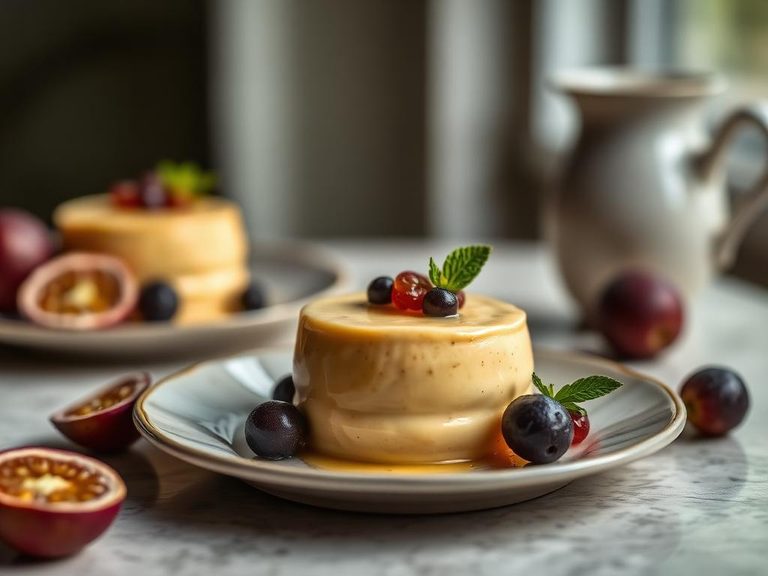
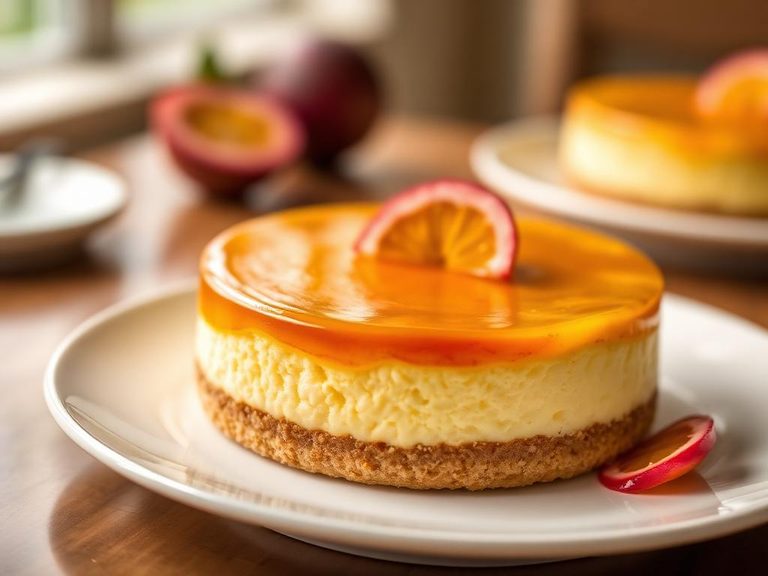
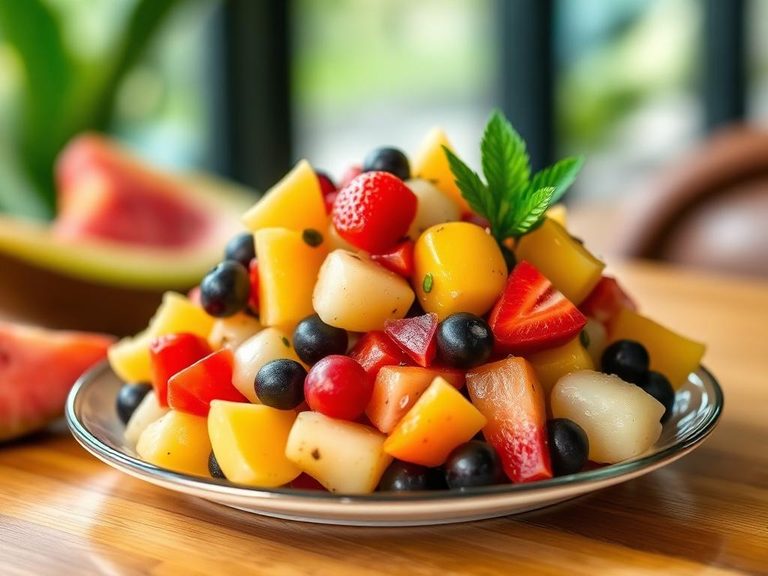
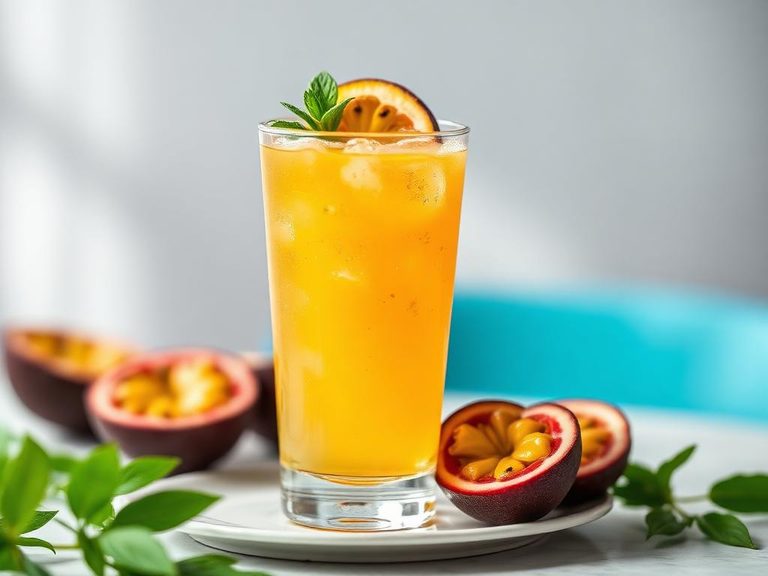
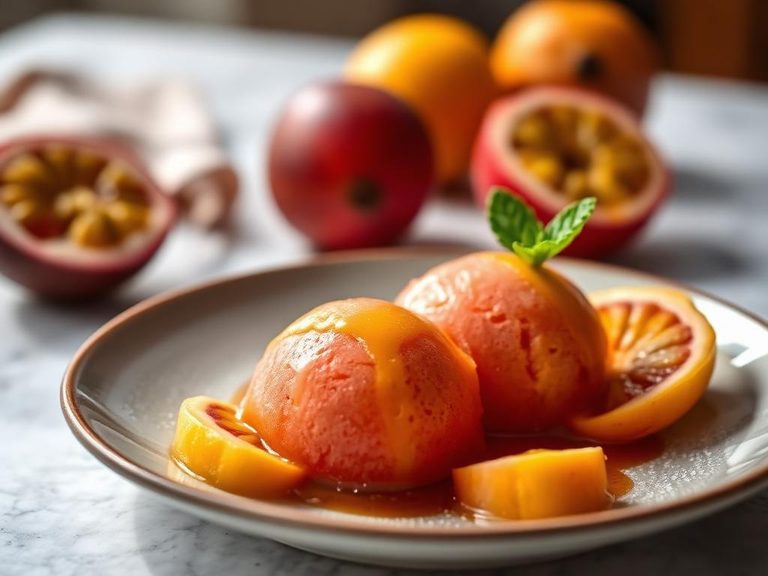
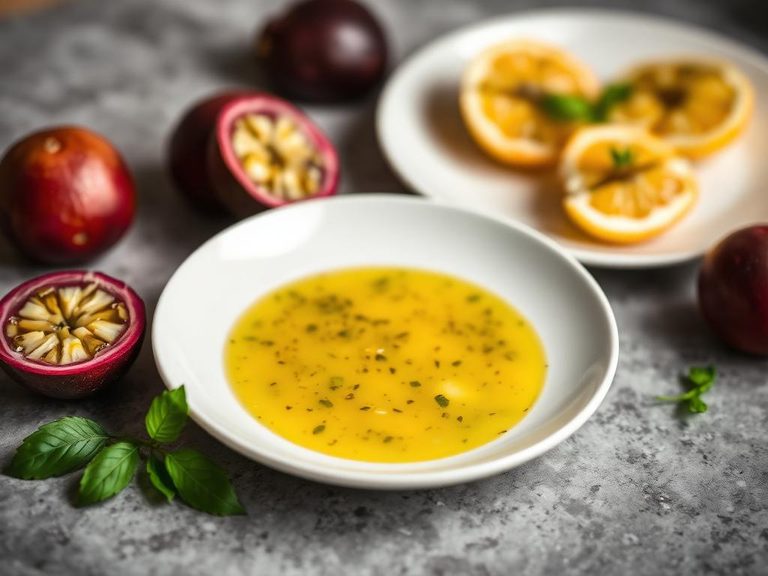
🌍 Where it's eaten
💡 Did you know?
The juice's intense aroma comes from over 250 volatile compounds, which is why a small amount can dramatically perfume an entire dish or drink.
Full nutrition (USDA data · scales with serving)
| Water | 85.6 g |
| Energy | 51.0 kcal |
| Protein | 0.39 g |
| Total lipid (fat) | 0.05 g |
| Carbohydrate, by difference | 13.6 g |
| Fiber, total dietary | 0.20 g |
| Total Sugars | 13.4 g |
| Calcium, Ca | 4.0 mg |
| Iron, Fe | 0.24 mg |
| Magnesium, Mg | 17.0 mg |
| Phosphorus, P | 13.0 mg |
| Potassium, K | 278 mg |
| Sodium, Na | 6.0 mg |
| Zinc, Zn | 0.05 mg |
| Copper, Cu | 0.05 mg |
| Selenium, Se | 0.10 ug |
| Vitamin C, total ascorbic acid | 29.8 mg |
| Thiamin | 0.00 mg |
| Riboflavin | 0.13 mg |
| Niacin | 1.5 mg |
| Vitamin B-6 | 0.05 mg |
| Folate, total | 7.0 ug |
| Folic acid | 0.00 ug |
| Folate, food | 7.0 ug |
| Folate, DFE | 7.0 ug |
| Choline, total | 4.0 mg |
| Vitamin B-12 | 0.00 ug |
| Vitamin B-12, added | 0.00 ug |
| Vitamin A, RAE | 36.0 ug |
| Retinol | 0.00 ug |
| Carotene, beta | 419 ug |
| Carotene, alpha | 0.00 ug |
| Cryptoxanthin, beta | 23.0 ug |
| Lycopene | 0.00 ug |
| Lutein + zeaxanthin | 0.00 ug |
| Vitamin E (alpha-tocopherol) | 0.01 mg |
| Vitamin E, added | 0.00 mg |
| Vitamin D (D2 + D3) | 0.00 ug |
| Vitamin K (phylloquinone) | 0.40 ug |
| Alcohol, ethyl | 0.00 g |
| Caffeine | 0.00 mg |
| Theobromine | 0.00 mg |
Fat & fatty acid profile (per 100g)
| Fatty acids, total saturated | 0.00 g |
| SFA 4:0 | 0.00 g |
| SFA 6:0 | 0.00 g |
| SFA 8:0 | 0.00 g |
| SFA 10:0 | 0.00 g |
| SFA 12:0 | 0.00 g |
| SFA 14:0 | 0.00 g |
| SFA 16:0 | 0.00 g |
| SFA 18:0 | 0.00 g |
| Fatty acids, total monounsaturated | 0.01 g |
| MUFA 16:1 | 0.00 g |
| MUFA 18:1 | 0.01 g |
| MUFA 20:1 | 0.00 g |
| MUFA 22:1 | 0.00 g |
| Fatty acids, total polyunsaturated | 0.03 g |
| PUFA 18:2 | 0.03 g |
| PUFA 18:3 | 0.00 g |
| PUFA 18:4 | 0.00 g |
| PUFA 20:4 | 0.00 g |
| PUFA 20:5 n-3 (EPA) | 0.00 g |
| PUFA 22:5 n-3 (DPA) | 0.00 g |
| PUFA 22:6 n-3 (DHA) | 0.00 g |
| Cholesterol | 0.00 mg |
FAQ
Is passion fruit juice the same as passion fruit nectar?
No. Pure 100% juice is undiluted and contains only juice. Nectar is typically diluted with water and may have added sugar, making it less concentrated in flavor and nutrients.
Why does pure passion fruit juice taste so strong?
It contains a very high concentration of aromatic compounds and acids. A little goes a long way, which is why it's often mixed with other juices or used as a flavoring agent.
Can I drink this juice daily?
While nutritious, its high sugar content means moderation is key. A small serving (e.g., 1/2 cup) a few times a week is reasonable for most people. Always consider your overall daily sugar intake and consult a dietitian for personalized advice.
Nutrient density (calculated · NRF9.3)
Nutrient Rich Foods index: beneficial nutrients (protein, fiber, vitamins, minerals) minus saturated fat, added sugar & sodium, per 100 kcal.
NRF9.3 index — Fulgoni, Keast & Drewnowski, 2009. Computed from USDA nutrients.
Weight-loss friendliness (composite index)
Energy density 0.51 kcal/g · 3% calories from protein · 0.2 g fiber · 13.4 g sugar per 100 g.
Composite of energy density (Rolls et al., 1999), protein & fiber satiety, minus sugar. A calculated heuristic — ranks satiety-per-calorie, not a clinical measure.
Dietary load (calculated from USDA values)
Potential renal acid load. Positive = acid-forming, negative = alkaline-forming.
Sodium-to-potassium ratio: 0.02 (lower is better — aim for ≤ 1)
Sodium:potassium per WHO potassium guidance. Computed from USDA nutrients.