

Margarine-like, vegetable oil spread, stick or tub, sweetened
Whole food · Fats and Oils

Photo: Wikipedia
This is a sweetened, vegetable oil-based spread designed to mimic butter's texture and function in baking and spreading. It has a smooth, creamy mouthfeel and a mild, sweet flavor that melts easily on warm foods. Nutritionally, it is a concentrated source of fat and added sugar, providing over 500 calories per 100 grams with negligible protein or fiber.
Calorie split: 0% protein · 12% carbs · 88% fat
↓ Full nutrition💚 Why it's loved
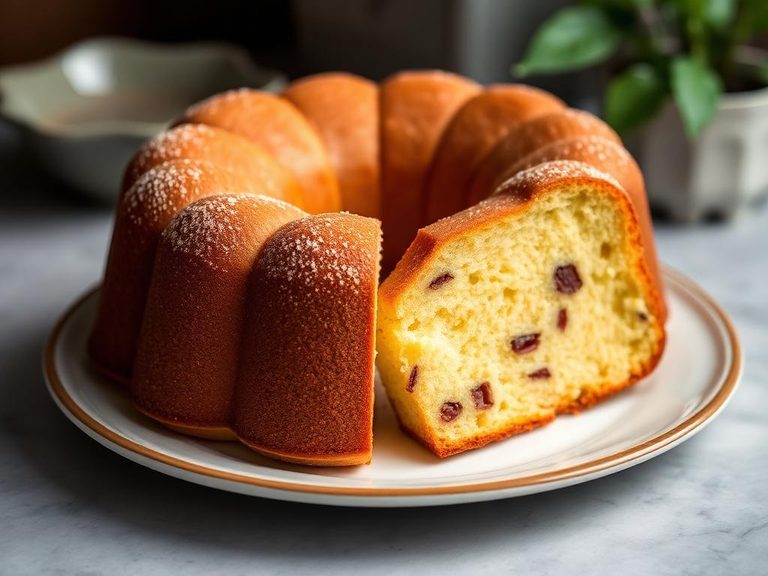
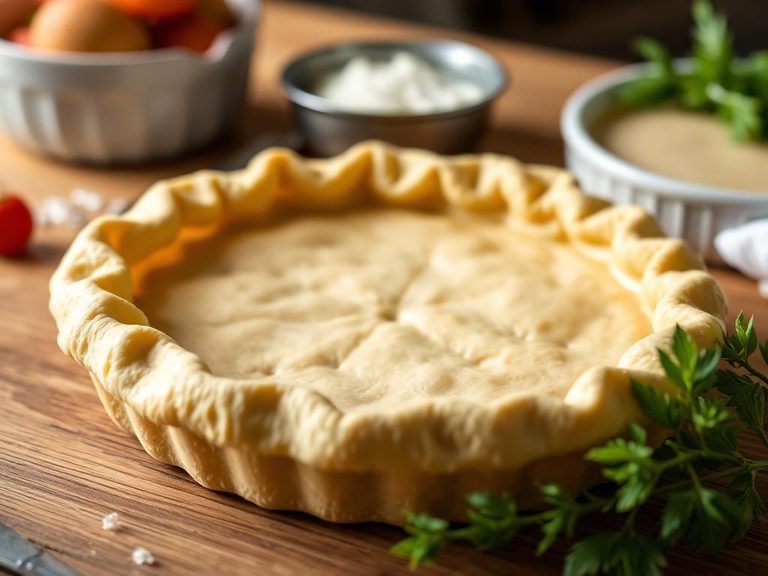
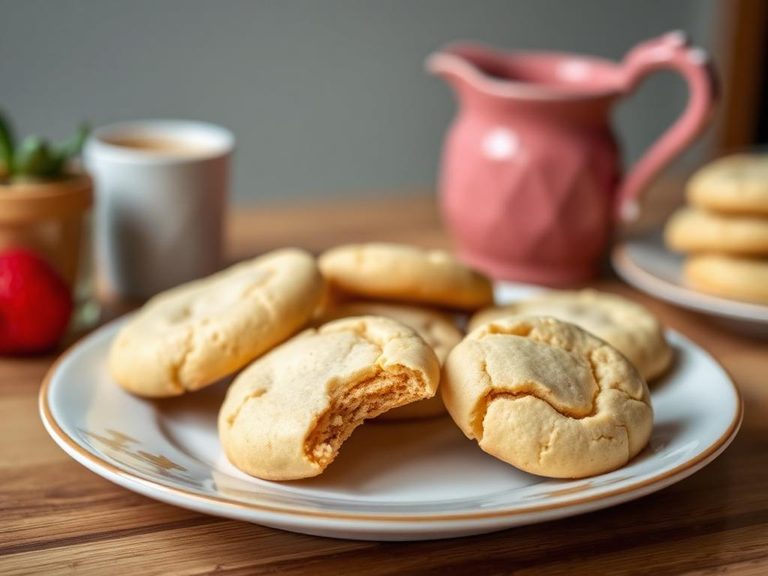
People love it for its reliable, consistent performance in baking, where it creates tender cakes and flaky pie crusts without the water content of butter. Its mild sweetness and easy spreadability make it a nostalgic, convenient staple for quick breakfasts and snacks.
⚠️ Watch-outs & how to enjoy it better
Its high saturated fat and added sugar content can contribute to excess calorie intake and blood-sugar spikes if used liberally. To counteract this, use it sparingly as part of a balanced diet, pair carbohydrate-rich foods it's spread on with protein (like eggs or nut butter) to slow sugar absorption, and consider it an occasional ingredient rather than a daily staple.
Key benefits
- Provides a dairy-free, vegan alternative to butter
- Offers a long shelf life and stable texture at room temperature
- Useful for creating tender, flaky textures in pastries and cookies
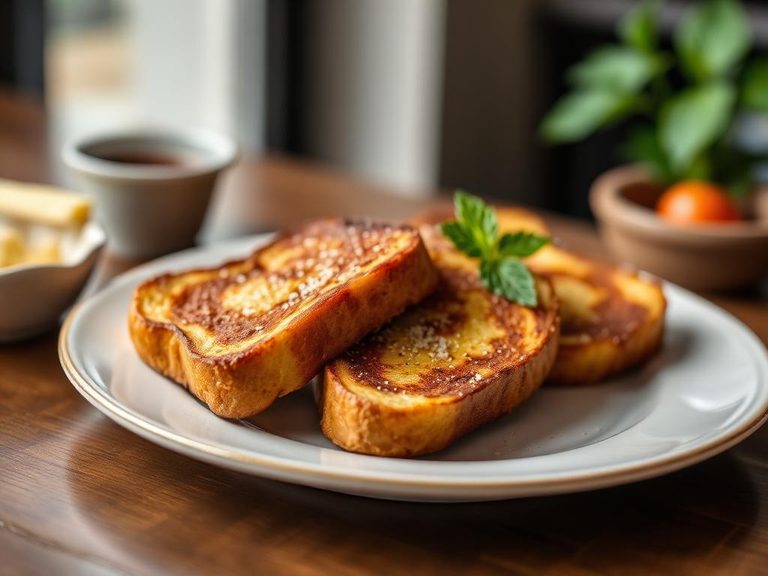
- Convenient for quick spreading on toast or pancakes
- Cost-effective fat source for large-batch baking
🍽️ Popular dishes


🌍 Where it's eaten
💡 Did you know?
The original margarine was invented in 1869 by a French chemist in response to Napoleon III's prize for a butter substitute to feed his army and the working class.
Full nutrition (USDA data · scales with serving)
| Water | 30.0 g |
| Energy | 534 kcal |
| Energy | 2234 kj |
| Protein | 0.00 g |
| Total lipid (fat) | 52.0 g |
| Ash | 1.3 g |
| Carbohydrate, by difference | 16.7 g |
| Fiber, total dietary | 0.00 g |
| Total Sugars | 16.7 g |
| Calcium, Ca | 0.00 mg |
| Iron, Fe | 0.00 mg |
| Magnesium, Mg | 0.00 mg |
| Phosphorus, P | 16.0 mg |
| Potassium, K | 30.0 mg |
| Sodium, Na | 542 mg |
| Zinc, Zn | 0.00 mg |
| Copper, Cu | 0.00 mg |
| Selenium, Se | 0.00 ug |
| Vitamin C, total ascorbic acid | 0.00 mg |
| Thiamin | 0.00 mg |
| Riboflavin | 0.00 mg |
| Niacin | 0.00 mg |
| Vitamin B-6 | 0.00 mg |
| Folate, total | 0.00 ug |
| Folic acid | 0.00 ug |
| Folate, food | 0.00 ug |
| Folate, DFE | 0.00 ug |
| Choline, total | 12.4 mg |
| Vitamin B-12 | 0.00 ug |
| Vitamin B-12, added | 0.00 ug |
| Vitamin A, RAE | 819 ug |
| Retinol | 768 ug |
| Carotene, beta | 610 ug |
| Carotene, alpha | 0.00 ug |
| Cryptoxanthin, beta | 0.00 ug |
| Vitamin A, IU | 3577 iu |
| Lycopene | 0.00 ug |
| Lutein + zeaxanthin | 0.00 ug |
| Vitamin E (alpha-tocopherol) | 5.0 mg |
| Vitamin E, added | 0.00 mg |
| Vitamin D (D2 + D3), International Units | 0.00 iu |
| Vitamin D (D2 + D3) | 0.00 ug |
| Vitamin K (phylloquinone) | 93.0 ug |
| Alcohol, ethyl | 0.00 g |
| Caffeine | 0.00 mg |
| Theobromine | 0.00 mg |
Fat & fatty acid profile (per 100g)
| Fatty acids, total saturated | 8.3 g |
| SFA 4:0 | 0.00 g |
| SFA 6:0 | 0.00 g |
| SFA 8:0 | 0.00 g |
| SFA 10:0 | 0.00 g |
| SFA 12:0 | 0.00 g |
| SFA 14:0 | 0.00 g |
| SFA 16:0 | 5.3 g |
| SFA 18:0 | 3.1 g |
| Fatty acids, total monounsaturated | 17.0 g |
| MUFA 16:1 | 0.00 g |
| MUFA 18:1 | 16.9 g |
| MUFA 20:1 | 0.10 g |
| MUFA 22:1 | 0.00 g |
| Fatty acids, total polyunsaturated | 23.8 g |
| PUFA 18:2 | 20.9 g |
| PUFA 18:3 | 2.9 g |
| PUFA 18:4 | 0.00 g |
| PUFA 20:4 | 0.00 g |
| PUFA 20:5 n-3 (EPA) | 0.00 g |
| PUFA 22:5 n-3 (DPA) | 0.00 g |
| PUFA 22:6 n-3 (DHA) | 0.00 g |
| Cholesterol | 0.00 mg |
FAQ
How does this differ from regular margarine or butter?
This product is specifically formulated with added sugar (like high-fructose corn syrup or sugar) and often flavorings to be a sweet spread, unlike plain margarine or butter which are savory fats. It's more akin to a frosting base than a cooking fat.
Can I use it 1:1 for butter in any recipe?
Not always. Because it contains added sugar and may have a different water content, it's best for recipes where sweetness is desired, like cookies or cakes. For savory dishes or recipes requiring precise butter flavor (like a classic butter sauce), plain margarine or butter is preferable.
Is it suitable for a vegan diet?
Most sweetened vegetable oil spreads are vegan, as they are made from plant oils and do not contain dairy. However, always check the label for ingredients like whey, casein, or honey, which are not vegan.
Nutrient density (calculated · NRF9.3)
Nutrient Rich Foods index: beneficial nutrients (protein, fiber, vitamins, minerals) minus saturated fat, added sugar & sodium, per 100 kcal.
NRF9.3 index — Fulgoni, Keast & Drewnowski, 2009. Computed from USDA nutrients.
Weight-loss friendliness (composite index)
Energy density 5.34 kcal/g · 0% calories from protein · 0.0 g fiber · 16.7 g sugar per 100 g.
Composite of energy density (Rolls et al., 1999), protein & fiber satiety, minus sugar. A calculated heuristic — ranks satiety-per-calorie, not a clinical measure.
Dietary load (calculated from USDA values)
Potential renal acid load. Positive = acid-forming, negative = alkaline-forming.
Sodium-to-potassium ratio: 18.07 (lower is better — aim for ≤ 1)
Sodium:potassium per WHO potassium guidance. Computed from USDA nutrients.