

Margarine-like spread with yogurt, 70% fat, stick, with salt
Whole food · Fats and Oils

Photo: Wikipedia
A rich, creamy, salted spread that mimics butter's texture but is made from a blend of vegetable oils and yogurt. Its high fat content gives it a smooth, melt-in-the-mouth quality, perfect for spreading on warm bread or melting into vegetables. Nutritionally, it's a dense energy source, providing 70 grams of fat per 100 grams.
Calorie split: 0% protein · 0% carbs · 99% fat
↓ Full nutrition💚 Why it's loved
People love its familiar, savory, butter-like taste and the satisfying way it melts, making it a staple for toasting, baking, and enriching sauces. Its versatility and long shelf life make it a reliable kitchen workhorse.
⚠️ Watch-outs & how to enjoy it better
Its very high fat and sodium content can be a concern for heart health and blood pressure management. To counteract this, use it sparingly as a flavor enhancer rather than a primary fat, and balance meals with plenty of potassium-rich vegetables like leafy greens or potatoes.
Key benefits
- Provides a quick, dense source of energy from fat
- Offers a dairy-free alternative to butter for those avoiding lactose
- High smoke point suitable for sautéing and frying
- Convenient, shelf-stable spread for quick meal preparation
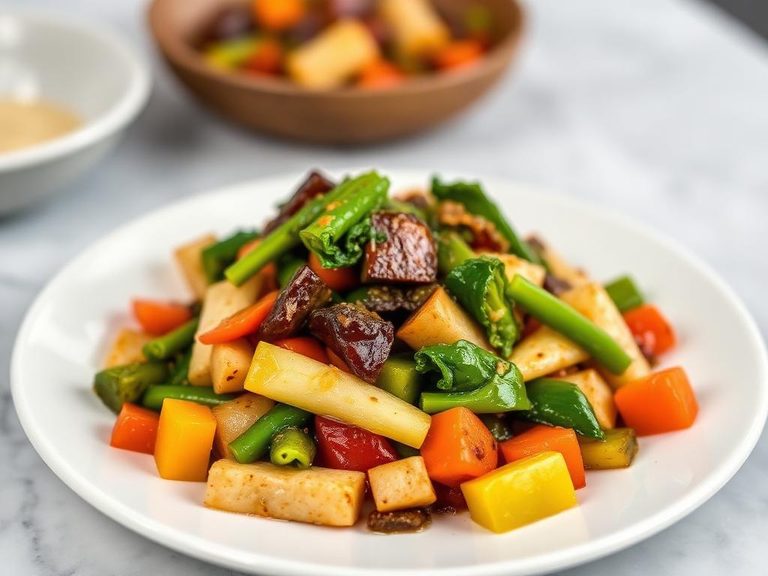
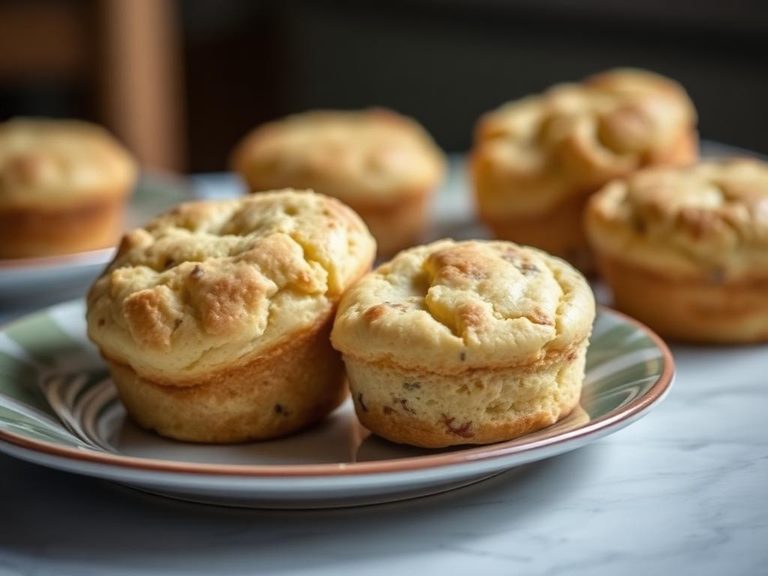
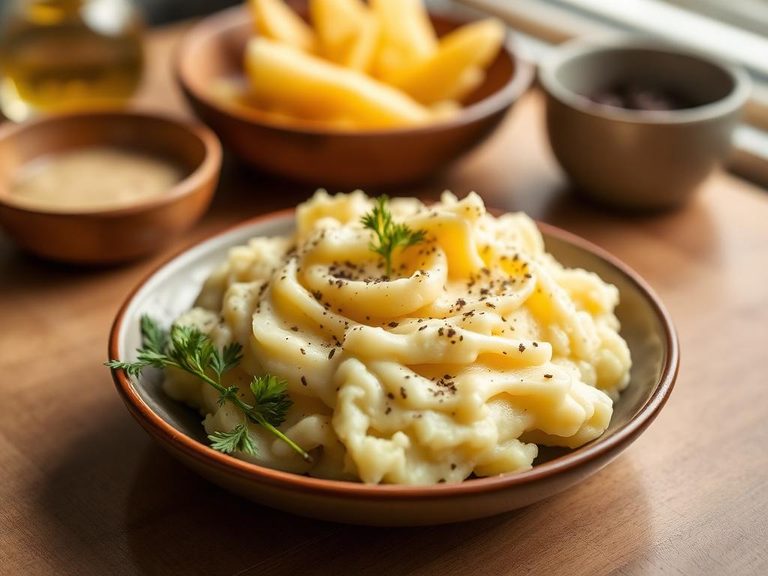
🍽️ Popular dishes
🌍 Where it's eaten
💡 Did you know?
The 'yogurt' in this spread often refers to cultured buttermilk or whey, added to mimic the tang of cultured butter, not actual yogurt.
Full nutrition (USDA data · scales with serving)
| Water | 28.0 g |
| Energy | 630 kcal |
| Energy | 2636 kj |
| Protein | 0.30 g |
| Total lipid (fat) | 70.0 g |
| Ash | 2.0 g |
| Carbohydrate, by difference | 0.50 g |
| Fiber, total dietary | 0.00 g |
| Total Sugars | 0.00 g |
| Calcium, Ca | 20.0 mg |
| Iron, Fe | 0.01 mg |
| Magnesium, Mg | 2.0 mg |
| Phosphorus, P | 16.0 mg |
| Potassium, K | 25.0 mg |
| Sodium, Na | 590 mg |
| Zinc, Zn | 0.10 mg |
| Copper, Cu | 0.00 mg |
| Selenium, Se | 0.00 ug |
| Vitamin C, total ascorbic acid | 0.10 mg |
| Thiamin | 0.01 mg |
| Riboflavin | 0.02 mg |
| Niacin | 0.01 mg |
| Vitamin B-6 | 0.05 mg |
| Folate, total | 1.0 ug |
| Folic acid | 0.00 ug |
| Folate, food | 1.0 ug |
| Folate, DFE | 1.0 ug |
| Choline, total | 12.4 mg |
| Vitamin B-12 | 0.06 ug |
| Vitamin B-12, added | 0.00 ug |
| Vitamin A, RAE | 819 ug |
| Retinol | 768 ug |
| Carotene, beta | 610 ug |
| Carotene, alpha | 0.00 ug |
| Cryptoxanthin, beta | 0.00 ug |
| Vitamin A, IU | 3577 iu |
| Lycopene | 0.00 ug |
| Lutein + zeaxanthin | 0.00 ug |
| Vitamin E (alpha-tocopherol) | 5.0 mg |
| Vitamin E, added | 0.00 mg |
| Vitamin D (D2 + D3), International Units | 0.00 iu |
| Vitamin D (D2 + D3) | 0.00 ug |
| Vitamin K (phylloquinone) | 93.0 ug |
| Alcohol, ethyl | 0.00 g |
| Caffeine | 0.00 mg |
| Theobromine | 0.00 mg |
Fat & fatty acid profile (per 100g)
| Fatty acids, total saturated | 13.3 g |
| SFA 4:0 | 0.00 g |
| SFA 6:0 | 0.00 g |
| SFA 8:0 | 0.00 g |
| SFA 10:0 | 0.00 g |
| SFA 12:0 | 0.00 g |
| SFA 14:0 | 0.00 g |
| SFA 16:0 | 9.8 g |
| SFA 18:0 | 3.5 g |
| Fatty acids, total monounsaturated | 39.9 g |
| MUFA 16:1 | 0.70 g |
| MUFA 18:1 | 39.2 g |
| MUFA 20:1 | 0.00 g |
| MUFA 22:1 | 0.00 g |
| Fatty acids, total polyunsaturated | 14.0 g |
| PUFA 18:2 | 12.6 g |
| PUFA 18:3 | 1.4 g |
| PUFA 18:4 | 0.00 g |
| PUFA 20:4 | 0.00 g |
| PUFA 20:5 n-3 (EPA) | 0.00 g |
| PUFA 22:5 n-3 (DPA) | 0.00 g |
| PUFA 22:6 n-3 (DHA) | 0.00 g |
| Cholesterol | 0.00 mg |
FAQ
How is this different from regular margarine?
The key difference is the inclusion of yogurt or cultured dairy components, which adds a slight tang and creaminess, attempting to closer mimic the flavor profile of real butter.
Is it good for baking?
Yes, its high fat content and solid-at-room-temperature texture make it suitable for many baking recipes, though the flavor may differ slightly from using butter or plain margarine.
Can I use it for high-heat cooking?
Generally yes, as vegetable oil-based spreads have a higher smoke point than butter. However, check the specific oil blend (like sunflower or palm oil) for its smoke point.
Nutrient density (calculated · NRF9.3)
Nutrient Rich Foods index: beneficial nutrients (protein, fiber, vitamins, minerals) minus saturated fat, added sugar & sodium, per 100 kcal.
NRF9.3 index — Fulgoni, Keast & Drewnowski, 2009. Computed from USDA nutrients.
Weight-loss friendliness (composite index)
Energy density 6.30 kcal/g · 0% calories from protein · 0.0 g fiber · 0.0 g sugar per 100 g.
Composite of energy density (Rolls et al., 1999), protein & fiber satiety, minus sugar. A calculated heuristic — ranks satiety-per-calorie, not a clinical measure.
Dietary load (calculated from USDA values)
Potential renal acid load. Positive = acid-forming, negative = alkaline-forming.
Sodium-to-potassium ratio: 23.60 (lower is better — aim for ≤ 1)
Sodium:potassium per WHO potassium guidance. Computed from USDA nutrients.