

Lamb, Australian, imported, fresh, shoulder, arm, separable lean only, trimmed to 1/8" fat, cooked, braised
Whole food · Lamb, Veal, and Game Products
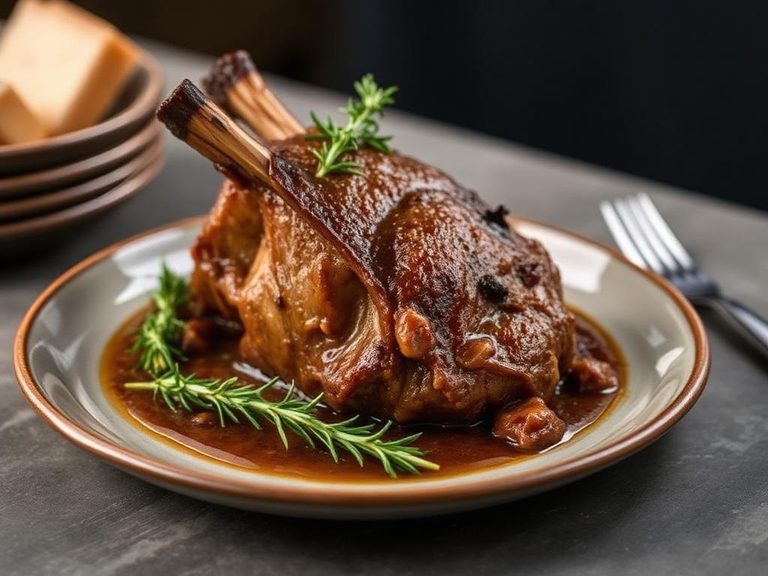
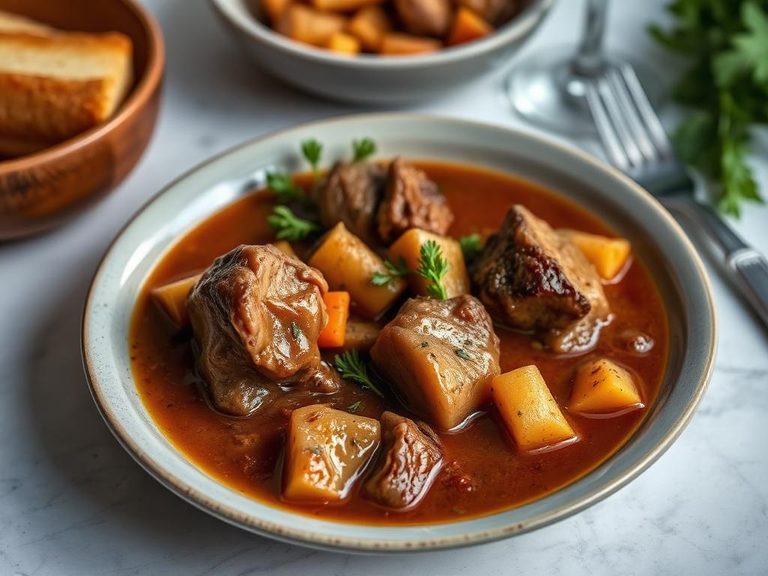
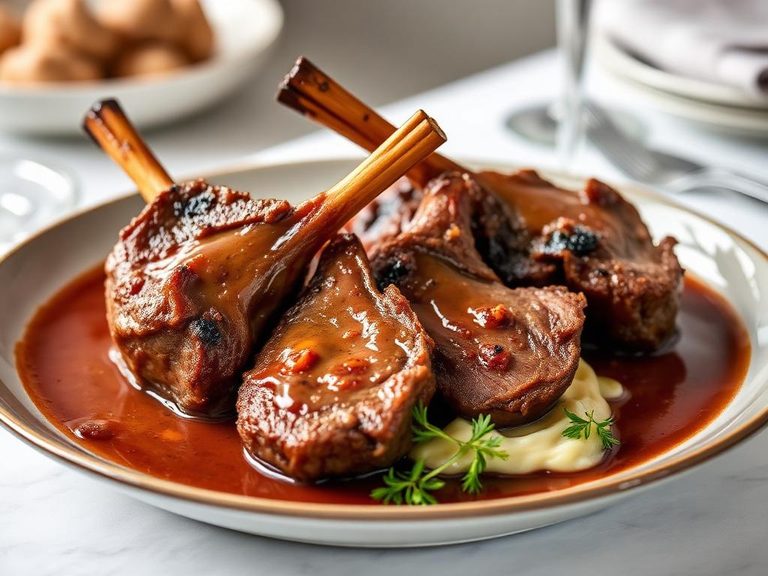
This is the arm cut of an Australian lamb shoulder, braised to tender perfection after being trimmed to a lean 1/8-inch fat cap. The slow-cooking process transforms the meat into a succulent, deeply savory protein with a rich, melt-in-the-mouth texture and a robust, slightly gamey flavor. Nutritionally, it's a powerhouse, delivering an impressive 34 grams of protein per 100g with virtually no carbohydrates.
Calorie split: 60% protein · 0% carbs · 40% fat
↓ Full nutrition💚 Why it's loved
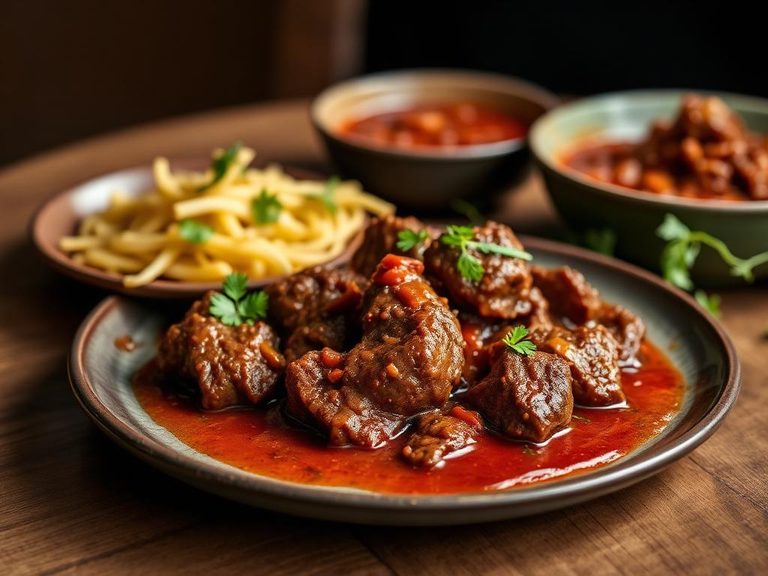
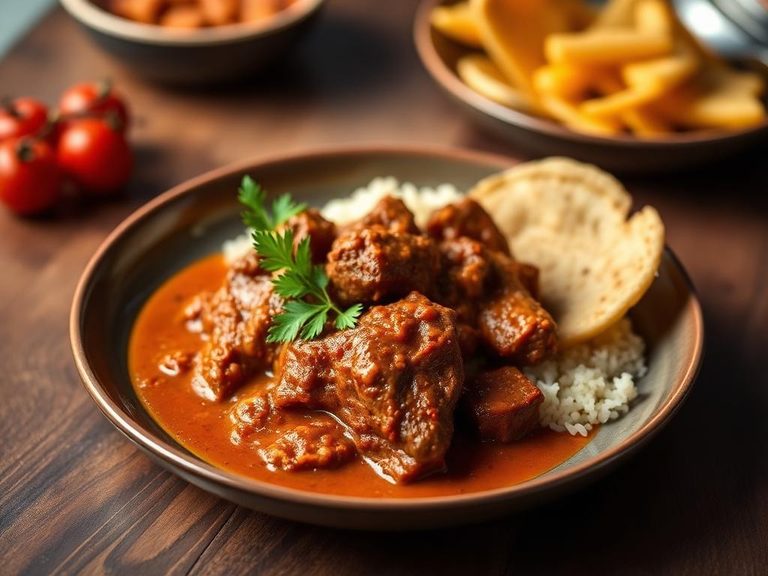
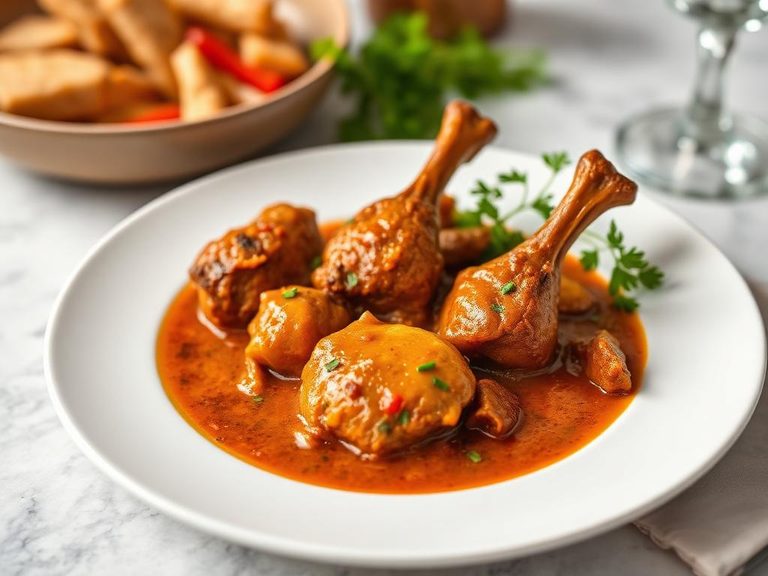
People adore this cut for its incredible depth of flavor and fork-tender texture, which comes from the slow breakdown of collagen during braising. It's a versatile comfort food, perfect for everything from hearty stews and curries to elegant roasts, and it carries a rich cultural significance in many cuisines.
⚠️ Watch-outs & how to enjoy it better
While lean, it's still a red meat, so individuals monitoring saturated fat intake or with specific health conditions should practice portion control. To counteract this, pair it with fiber-rich vegetables like roasted root vegetables or a leafy green salad to balance the meal and aid digestion. Also, be mindful of sodium if using pre-made braising liquids or stocks.
Key benefits
- Exceptionally high in complete protein for muscle repair and satiety
- Rich in heme iron, which is more easily absorbed than plant-based iron
- Good source of B vitamins, particularly B12 and niacin, for energy metabolism
- Contains zinc, which supports immune function and skin health
- Provides conjugated linoleic acid (CLA), a type of healthy fat
🍽️ Popular dishes
🌍 Where it's eaten
💡 Did you know?
The 'arm' in lamb shoulder refers to the shoulder blade and surrounding muscle, which is one of the most exercised parts of the animal, making it perfect for slow-cooking methods that tenderize tough connective tissue.
Full nutrition (USDA data · scales with serving)
| Water | 57.0 g |
| Energy | 238 kcal |
| Energy | 996 kj |
| Protein | 34.2 g |
| Total lipid (fat) | 10.2 g |
| Ash | 1.0 g |
| Carbohydrate, by difference | 0.00 g |
| Calcium, Ca | 27.0 mg |
| Iron, Fe | 2.7 mg |
| Magnesium, Mg | 25.0 mg |
| Phosphorus, P | 221 mg |
| Potassium, K | 287 mg |
| Sodium, Na | 78.0 mg |
| Zinc, Zn | 7.8 mg |
| Copper, Cu | 0.21 mg |
| Manganese, Mn | 0.02 mg |
| Selenium, Se | 10.6 ug |
| Thiamin | 0.10 mg |
| Riboflavin | 0.29 mg |
| Niacin | 4.7 mg |
| Pantothenic acid | 0.78 mg |
| Vitamin B-6 | 0.21 mg |
| Vitamin B-12 | 3.6 ug |
Fat & fatty acid profile (per 100g)
| Fatty acids, total saturated | 4.2 g |
| SFA 10:0 | 0.02 g |
| SFA 12:0 | 0.03 g |
| SFA 14:0 | 0.32 g |
| SFA 15:0 | 0.05 g |
| SFA 16:0 | 2.1 g |
| SFA 17:0 | 0.12 g |
| SFA 18:0 | 1.5 g |
| SFA 20:0 | 0.01 g |
| Fatty acids, total monounsaturated | 4.2 g |
| MUFA 14:1 | 0.01 g |
| MUFA 16:1 | 0.18 g |
| MUFA 18:1 | 3.8 g |
| MUFA 20:1 | 0.03 g |
| Fatty acids, total polyunsaturated | 0.50 g |
| PUFA 18:2 | 0.30 g |
| PUFA 18:3 | 0.14 g |
| PUFA 20:4 | 0.06 g |
| Cholesterol | 111 mg |
Amino acid profile (per 100g)
| Tryptophan | 0.40 g |
| Threonine | 1.5 g |
| Isoleucine | 1.7 g |
| Leucine | 2.7 g |
| Lysine | 3.0 g |
| Methionine | 0.88 g |
| Cystine | 0.41 g |
| Phenylalanine | 1.4 g |
| Tyrosine | 1.1 g |
| Valine | 1.8 g |
| Arginine | 2.0 g |
| Histidine | 1.1 g |
| Alanine | 2.1 g |
| Aspartic acid | 3.0 g |
| Glutamic acid | 5.0 g |
| Glycine | 1.7 g |
| Proline | 1.4 g |
| Serine | 1.3 g |
FAQ
What is the best way to cook this cut of lamb?
Braising is ideal. Sear the meat first, then cook it slowly in liquid (like stock, wine, or tomatoes) at a low temperature for several hours until it's fork-tender.
How does braising affect the nutrition of lamb shoulder?
Braising helps break down collagen into gelatin, making the meat easier to digest and more tender. It can also help render some fat, but the nutritional profile remains largely similar to the raw cut, with high protein and moderate fat.
Is this cut of lamb suitable for a low-carb diet?
Yes, it's an excellent choice. With 0g carbs per 100g, it's a pure protein and fat source, making it ideal for ketogenic and low-carb eating plans.
Nutrient density (calculated · NRF9.3)
Nutrient Rich Foods index: beneficial nutrients (protein, fiber, vitamins, minerals) minus saturated fat, added sugar & sodium, per 100 kcal.
NRF9.3 index — Fulgoni, Keast & Drewnowski, 2009. Computed from USDA nutrients.
Weight-loss friendliness (composite index)
Energy density 2.38 kcal/g · 57% calories from protein · 0.0 g fiber · 0.0 g sugar per 100 g.
Composite of energy density (Rolls et al., 1999), protein & fiber satiety, minus sugar. A calculated heuristic — ranks satiety-per-calorie, not a clinical measure.
Dietary load (calculated from USDA values)
Potential renal acid load. Positive = acid-forming, negative = alkaline-forming.
Sodium-to-potassium ratio: 0.27 (lower is better — aim for ≤ 1)
Sodium:potassium per WHO potassium guidance. Computed from USDA nutrients.