

Lamb, Australian, imported, fresh, leg, sirloin chops, boneless, separable lean only, trimmed to 1/8" fat, cooked, broiled
Whole food · Lamb, Veal, and Game Products
Australian boneless leg sirloin chops, broiled to a lean, juicy finish, deliver a robust, slightly sweet lamb flavor with a tender, fine-grained texture. This cut is exceptionally lean, packing a powerful protein punch with minimal fat, making it a standout for high-protein, low-carb diets. The broiling process creates a savory, caramelized crust while preserving the meat's natural juiciness and delicate lamb character.
Calorie split: 61% protein · 0% carbs · 39% fat
↓ Full nutrition💚 Why it's loved
People love this cut for its clean, distinct lamb flavor that's rich but not overpowering, and its incredibly tender, lean texture when broiled properly. It's prized for its versatility—perfect for a simple weeknight dinner or a sophisticated grilled platter—and its cultural significance in Australian and Mediterranean cuisines.
⚠️ Watch-outs & how to enjoy it better
The very lean nature can make it prone to drying out if overcooked, which some find disappointing. Those sensitive to strong gamey flavors might find the lamb taste too pronounced, and it's not suitable for strict vegan or vegetarian diets. To counteract dryness, marinate briefly in olive oil and herbs, or use a meat thermometer to avoid overcooking; for the strong flavor, pair with bright, acidic sides like a lemon-herb salad or a yogurt-based sauce.
Key benefits
- High-quality complete protein (27.63g per 100g) for muscle maintenance
- Very low in carbohydrates (0g), ideal for keto and low-carb lifestyles
- Excellent source of B vitamins, particularly B12 and niacin
- Rich in minerals like zinc, selenium, and phosphorus
- Lean cut with only 7.8g fat per 100g, supporting heart health
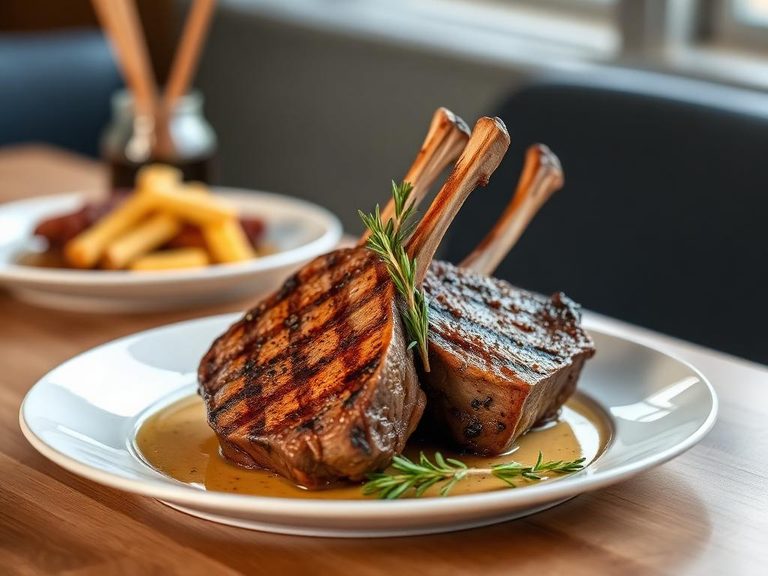
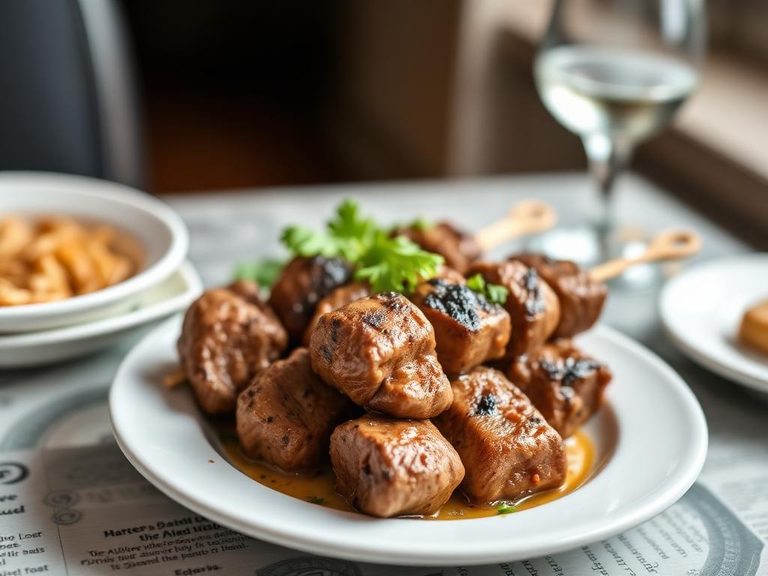
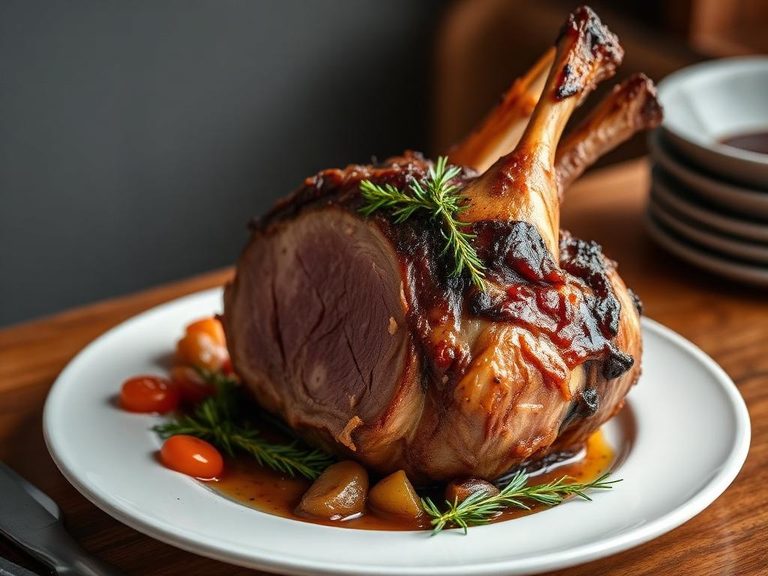
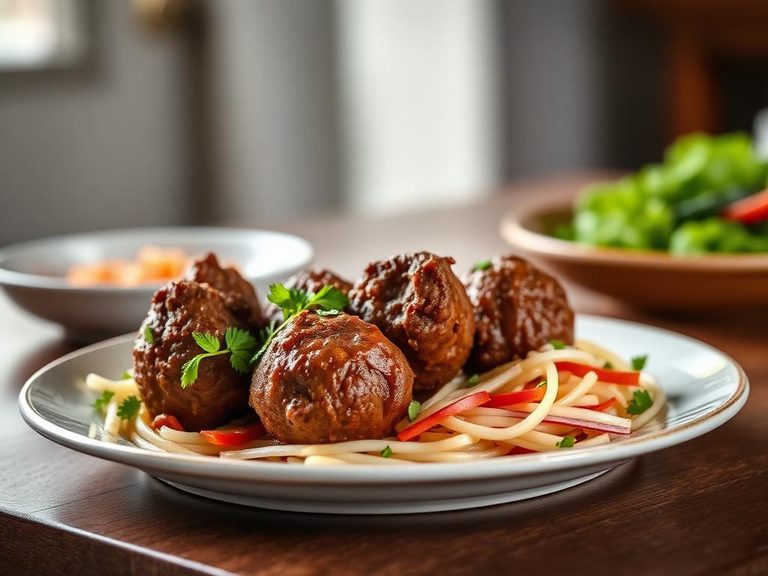
🍽️ Popular dishes
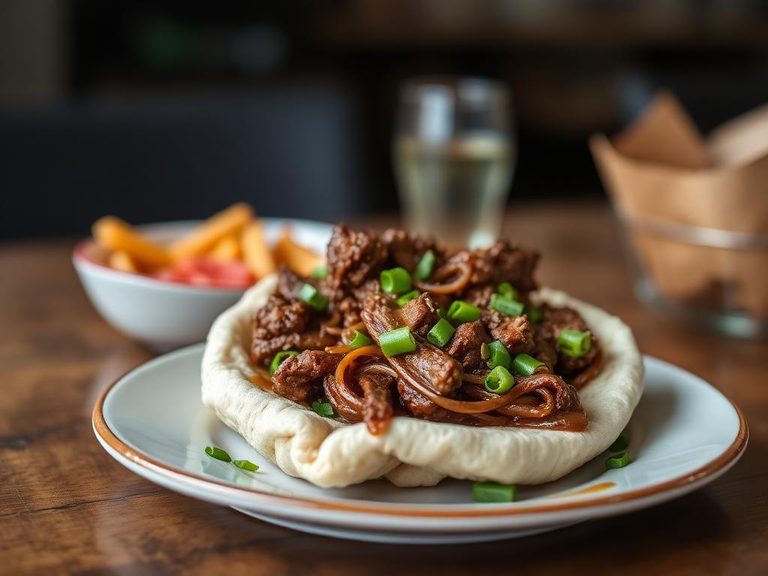
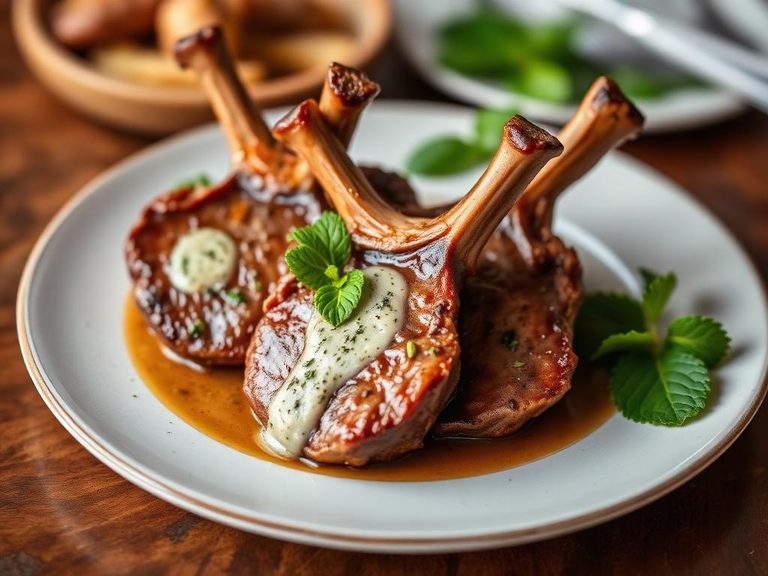
🌍 Where it's eaten
💡 Did you know?
Australian lamb is often considered 'cleaner' in flavor because the sheep graze on vast, open pastures with a diet of grasses and clover, which can mellow the gamey taste compared to lambs from more confined or varied diets.
Full nutrition (USDA data · scales with serving)
| Water | 64.1 g |
| Energy | 188 kcal |
| Energy | 787 kj |
| Protein | 27.6 g |
| Total lipid (fat) | 7.8 g |
| Ash | 1.1 g |
| Carbohydrate, by difference | 0.00 g |
| Calcium, Ca | 13.0 mg |
| Iron, Fe | 2.5 mg |
| Magnesium, Mg | 26.0 mg |
| Phosphorus, P | 237 mg |
| Potassium, K | 354 mg |
| Sodium, Na | 66.0 mg |
| Zinc, Zn | 5.2 mg |
| Copper, Cu | 0.17 mg |
| Manganese, Mn | 0.01 mg |
| Selenium, Se | 10.8 ug |
| Thiamin | 0.14 mg |
| Riboflavin | 0.42 mg |
| Niacin | 5.7 mg |
| Pantothenic acid | 0.99 mg |
| Vitamin B-6 | 0.46 mg |
| Vitamin B-12 | 3.2 ug |
Fat & fatty acid profile (per 100g)
| Fatty acids, total saturated | 3.2 g |
| SFA 10:0 | 0.01 g |
| SFA 12:0 | 0.02 g |
| SFA 14:0 | 0.25 g |
| SFA 15:0 | 0.04 g |
| SFA 16:0 | 1.6 g |
| SFA 17:0 | 0.09 g |
| SFA 18:0 | 1.1 g |
| SFA 20:0 | 0.01 g |
| Fatty acids, total monounsaturated | 3.2 g |
| MUFA 14:1 | 0.01 g |
| MUFA 16:1 | 0.15 g |
| MUFA 18:1 | 2.9 g |
| MUFA 20:1 | 0.02 g |
| Fatty acids, total polyunsaturated | 0.40 g |
| PUFA 18:2 | 0.23 g |
| PUFA 18:3 | 0.11 g |
| PUFA 20:4 | 0.04 g |
| Cholesterol | 85.0 mg |
Amino acid profile (per 100g)
| Tryptophan | 0.32 g |
| Threonine | 1.2 g |
| Isoleucine | 1.3 g |
| Leucine | 2.1 g |
| Lysine | 2.4 g |
| Methionine | 0.71 g |
| Cystine | 0.33 g |
| Phenylalanine | 1.1 g |
| Tyrosine | 0.93 g |
| Valine | 1.5 g |
| Arginine | 1.6 g |
| Histidine | 0.88 g |
| Alanine | 1.7 g |
| Aspartic acid | 2.4 g |
| Glutamic acid | 4.0 g |
| Glycine | 1.3 g |
| Proline | 1.2 g |
| Serine | 1.0 g |
FAQ
Is this cut suitable for a low-fat diet?
Yes, with only 7.8g of fat per 100g and zero carbs, it's an excellent choice for low-fat and high-protein diets, especially when trimmed of excess fat.
How should I cook it to keep it tender?
Broil or grill over medium-high heat for a short time (3-5 minutes per side) to retain moisture; avoid overcooking, and consider a quick marinade in olive oil and herbs to enhance tenderness.
What are the best side dishes to pair with it?
Pair with roasted vegetables, a fresh Greek salad, or a quinoa pilaf to complement the lean protein and add fiber and flavor contrast.
Nutrient density (calculated · NRF9.3)
Nutrient Rich Foods index: beneficial nutrients (protein, fiber, vitamins, minerals) minus saturated fat, added sugar & sodium, per 100 kcal.
NRF9.3 index — Fulgoni, Keast & Drewnowski, 2009. Computed from USDA nutrients.
Weight-loss friendliness (composite index)
Energy density 1.88 kcal/g · 59% calories from protein · 0.0 g fiber · 0.0 g sugar per 100 g.
Composite of energy density (Rolls et al., 1999), protein & fiber satiety, minus sugar. A calculated heuristic — ranks satiety-per-calorie, not a clinical measure.
Dietary load (calculated from USDA values)
Potential renal acid load. Positive = acid-forming, negative = alkaline-forming.
Sodium-to-potassium ratio: 0.19 (lower is better — aim for ≤ 1)
Sodium:potassium per WHO potassium guidance. Computed from USDA nutrients.