

Lamb, Australian, imported, fresh, composite of trimmed retail cuts, separable lean only, trimmed to 1/8" fat, raw
Whole food · Lamb, Veal, and Game Products

Photo: Wikipedia
This is lean, raw Australian lamb, meticulously trimmed to just 1/8-inch of fat, offering a clean, robust, and slightly sweet meaty flavor with a firm, dense texture. Its standout nutritional profile is exceptionally high in protein (over 20g per 100g) with virtually no carbohydrates, making it a powerhouse for muscle maintenance and satiety. The lean cut provides a rich source of essential minerals like iron and zinc, all while keeping the calorie count moderate at 142 kcal per 100g.
Calorie split: 59% protein · 0% carbs · 41% fat
↓ Full nutrition💚 Why it's loved
People love it for its deep, savory umami flavor that forms the backbone of countless global cuisines, from hearty stews to elegant roasts. Its versatility allows it to be grilled, braised, or ground, adapting beautifully to both rustic and refined preparations.
⚠️ Watch-outs & how to enjoy it better
The primary concern is its high content of saturated fat and cholesterol, which may require moderation for individuals managing heart health. To counteract this, pair it with fiber-rich vegetables and use cooking methods like braising or stewing to render and discard excess fat, while controlling portion sizes.
Key benefits
- Excellent source of high-quality protein for muscle repair and growth.
- Rich in bioavailable iron, crucial for oxygen transport and energy levels.
- Provides significant zinc, supporting immune function and metabolism.
- Very low in carbohydrates, making it ideal for low-carb or ketogenic diets.
- Naturally free of sugar and fiber, offering a pure protein and fat source.
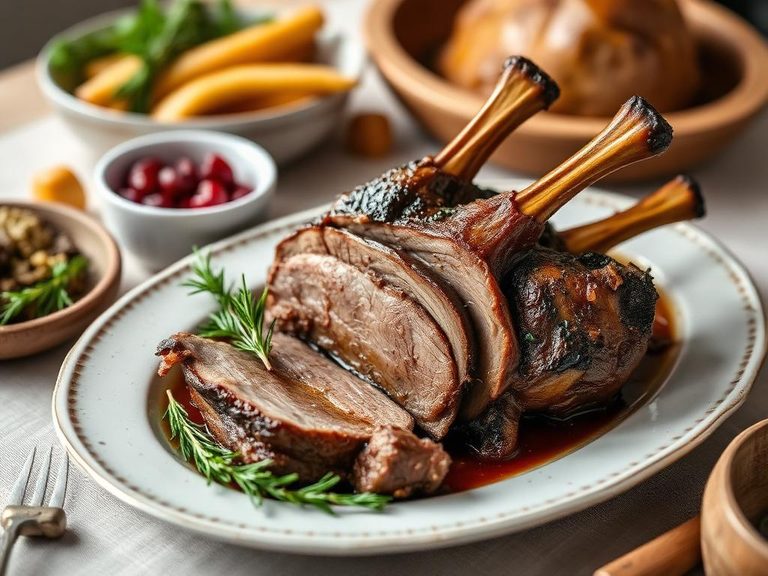
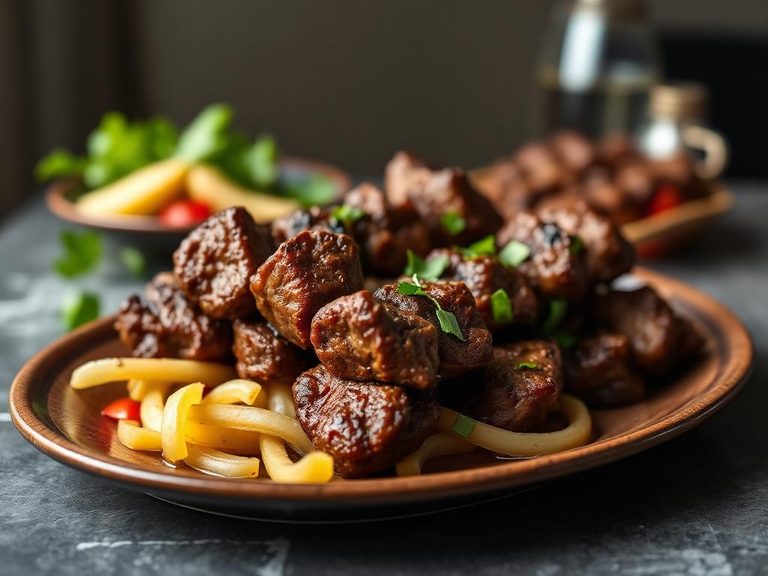
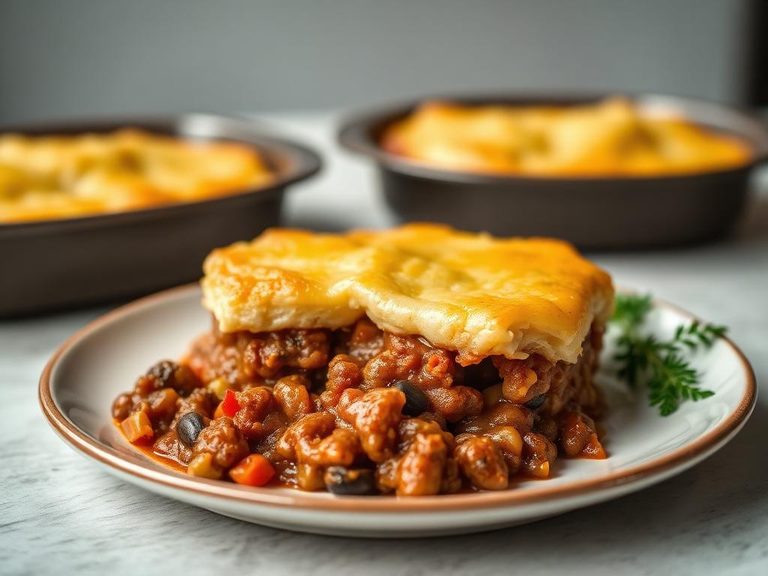
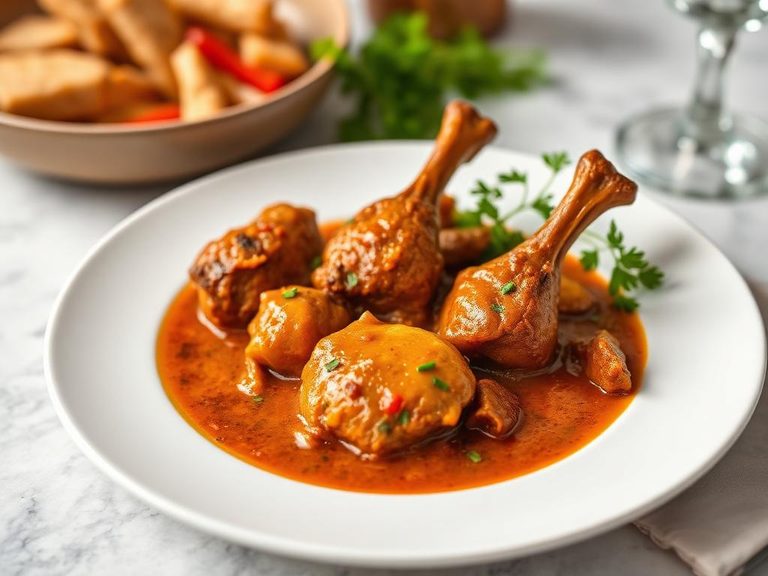
🍽️ Popular dishes
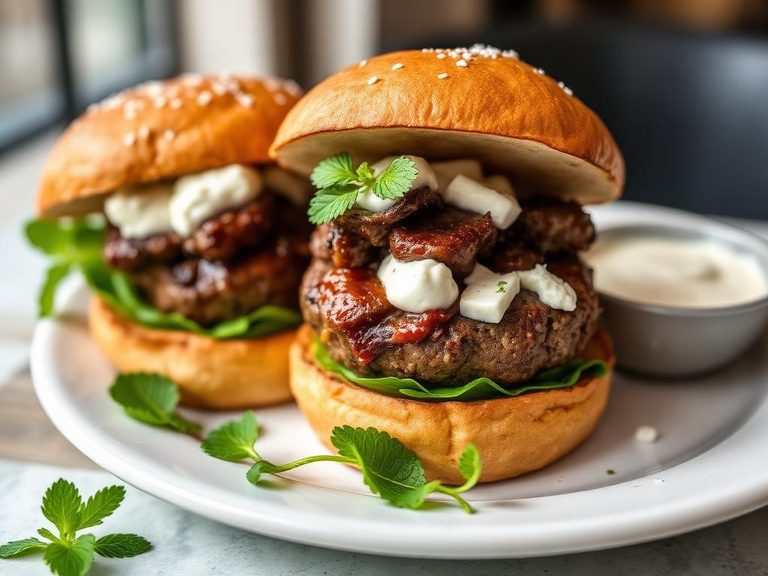
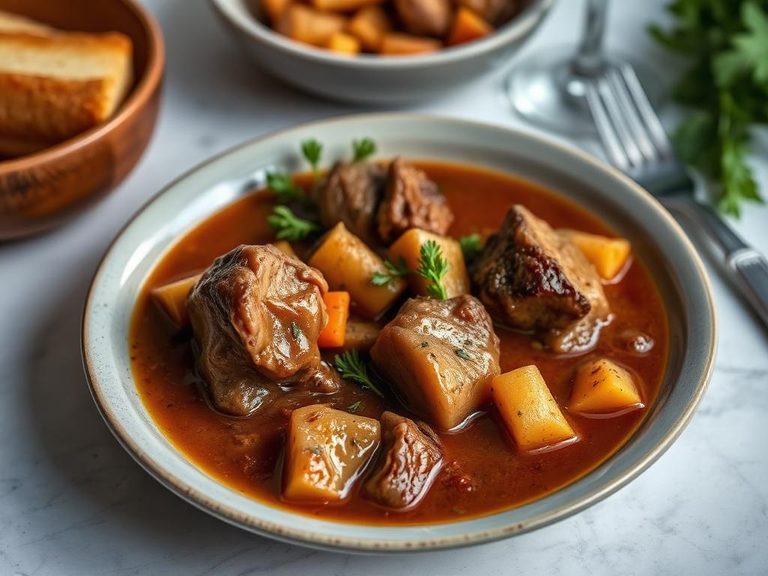
🌍 Where it's eaten
💡 Did you know?
Australia is one of the world's largest exporters of lamb, and the country's vast, clean pastures are credited with producing meat that has a distinctively mild, sweet flavor compared to lamb from other regions.
Full nutrition (USDA data · scales with serving)
| Water | 73.2 g |
| Energy | 142 kcal |
| Energy | 594 kj |
| Protein | 20.3 g |
| Total lipid (fat) | 6.2 g |
| Ash | 0.99 g |
| Carbohydrate, by difference | 0.00 g |
| Calcium, Ca | 12.0 mg |
| Iron, Fe | 1.6 mg |
| Magnesium, Mg | 22.0 mg |
| Phosphorus, P | 188 mg |
| Potassium, K | 320 mg |
| Sodium, Na | 83.0 mg |
| Zinc, Zn | 4.2 mg |
| Copper, Cu | 0.17 mg |
| Manganese, Mn | 0.01 mg |
| Selenium, Se | 8.6 ug |
| Thiamin | 0.15 mg |
| Riboflavin | 0.29 mg |
| Niacin | 5.6 mg |
| Pantothenic acid | 0.62 mg |
| Vitamin B-6 | 0.39 mg |
| Vitamin B-12 | 2.8 ug |
Fat & fatty acid profile (per 100g)
| Fatty acids, total saturated | 2.5 g |
| SFA 10:0 | 0.01 g |
| SFA 12:0 | 0.01 g |
| SFA 14:0 | 0.19 g |
| SFA 15:0 | 0.03 g |
| SFA 16:0 | 1.3 g |
| SFA 17:0 | 0.07 g |
| SFA 18:0 | 0.93 g |
| SFA 20:0 | 0.01 g |
| Fatty acids, total monounsaturated | 2.5 g |
| MUFA 14:1 | 0.01 g |
| MUFA 16:1 | 0.12 g |
| MUFA 18:1 | 2.3 g |
| MUFA 20:1 | 0.02 g |
| Fatty acids, total polyunsaturated | 0.28 g |
| PUFA 18:2 | 0.17 g |
| PUFA 18:3 | 0.08 g |
| PUFA 20:4 | 0.03 g |
| Cholesterol | 64.0 mg |
Amino acid profile (per 100g)
| Tryptophan | 0.24 g |
| Threonine | 0.86 g |
| Isoleucine | 0.98 g |
| Leucine | 1.6 g |
| Lysine | 1.8 g |
| Methionine | 0.52 g |
| Cystine | 0.24 g |
| Phenylalanine | 0.82 g |
| Tyrosine | 0.68 g |
| Valine | 1.1 g |
| Arginine | 1.2 g |
| Histidine | 0.64 g |
| Alanine | 1.2 g |
| Aspartic acid | 1.8 g |
| Glutamic acid | 2.9 g |
| Glycine | 0.99 g |
| Proline | 0.85 g |
| Serine | 0.75 g |
FAQ
Is this lamb cut suitable for a low-fat diet?
While trimmed to 1/8-inch fat, it still contains about 6g of fat per 100g. It can be part of a balanced diet, but for strict low-fat needs, consider trimming further or choosing even leaner cuts like loin.
How does the protein content compare to beef?
At 20.25g per 100g, this lamb has a protein density comparable to lean beef cuts like sirloin, making it an equally strong choice for protein intake.
What is the best way to cook this lean lamb to keep it tender?
For lean cuts, quick, high-heat methods like grilling or pan-searing are ideal to prevent drying out. Alternatively, slow-cooking in liquid (braising) breaks down connective tissue, ensuring tenderness.
Nutrient density (calculated · NRF9.3)
Nutrient Rich Foods index: beneficial nutrients (protein, fiber, vitamins, minerals) minus saturated fat, added sugar & sodium, per 100 kcal.
NRF9.3 index — Fulgoni, Keast & Drewnowski, 2009. Computed from USDA nutrients.
Weight-loss friendliness (composite index)
Energy density 1.42 kcal/g · 57% calories from protein · 0.0 g fiber · 0.0 g sugar per 100 g.
Composite of energy density (Rolls et al., 1999), protein & fiber satiety, minus sugar. A calculated heuristic — ranks satiety-per-calorie, not a clinical measure.
Dietary load (calculated from USDA values)
Potential renal acid load. Positive = acid-forming, negative = alkaline-forming.
Sodium-to-potassium ratio: 0.26 (lower is better — aim for ≤ 1)
Sodium:potassium per WHO potassium guidance. Computed from USDA nutrients.