

Lamb, Australian, ground, 85% lean / 15% fat, raw
Whole food · Lamb, Veal, and Game Products

Photo: Wikipedia
This is raw, ground Australian lamb with a rich, deep red color and a robust, slightly gamey flavor. The 85% lean to 15% fat ratio promises a juicy, flavorful result when cooked, with the fat rendering to baste the meat. It's a powerhouse of protein and a significant source of heme iron, zinc, and B12, with zero carbohydrates.
Calorie split: 27% protein · 0% carbs · 73% fat
↓ Full nutrition💚 Why it's loved
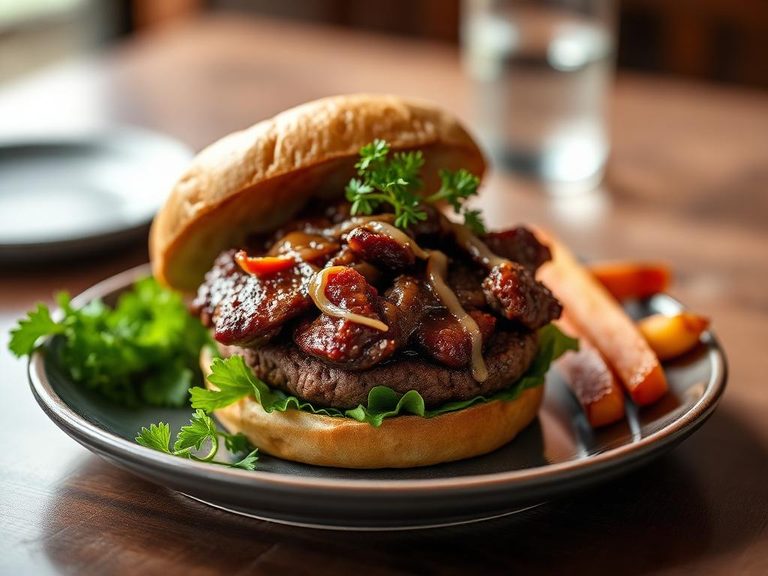
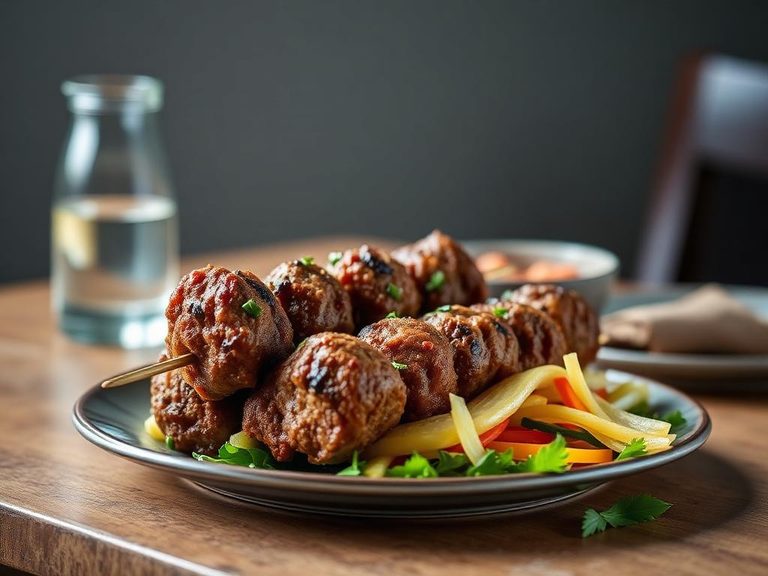
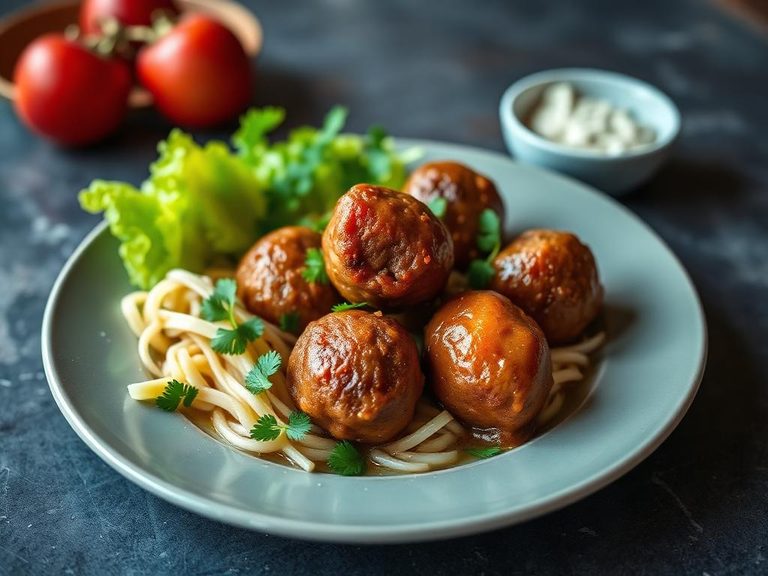
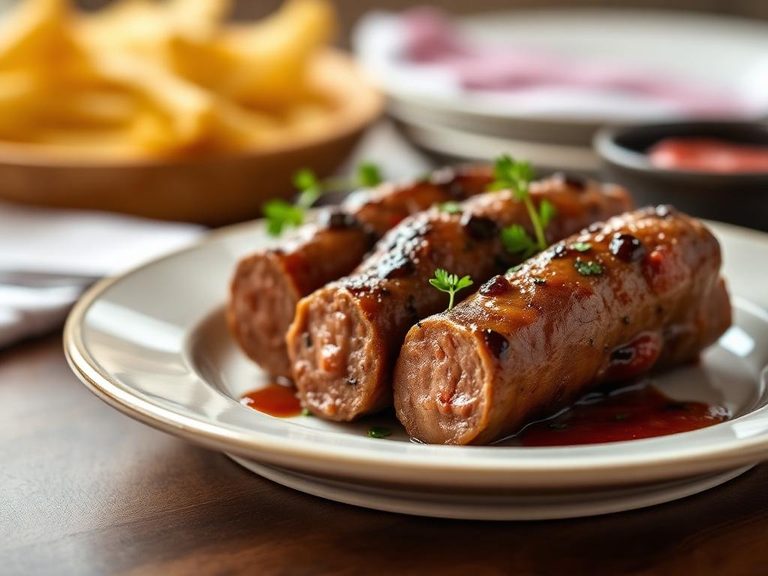
People love it for its distinctive, savory depth that stands up bold spices and grilling. It's the flavorful foundation for everything from classic burgers to aromatic Middle Eastern kofta, offering a taste of pasture-raised richness.
⚠️ Watch-outs & how to enjoy it better
The higher fat content means it's more calorie-dense than leaner meats, and the strong flavor isn't for everyone. To manage fat intake, drain excess grease after cooking and pair with fiber-rich vegetables or legumes to balance the meal.
Key benefits
- Excellent source of complete, high-quality protein for muscle maintenance.
- Rich in bioavailable heme iron, more easily absorbed than plant-based iron.
- Provides significant zinc, crucial for immune function and wound healing.
- Contains vitamin B12, essential for nerve function and red blood cell formation.
- The fat content includes conjugated linoleic acid (CLA), a naturally occurring fatty acid.
🍽️ Popular dishes
🌍 Where it's eaten
💡 Did you know?
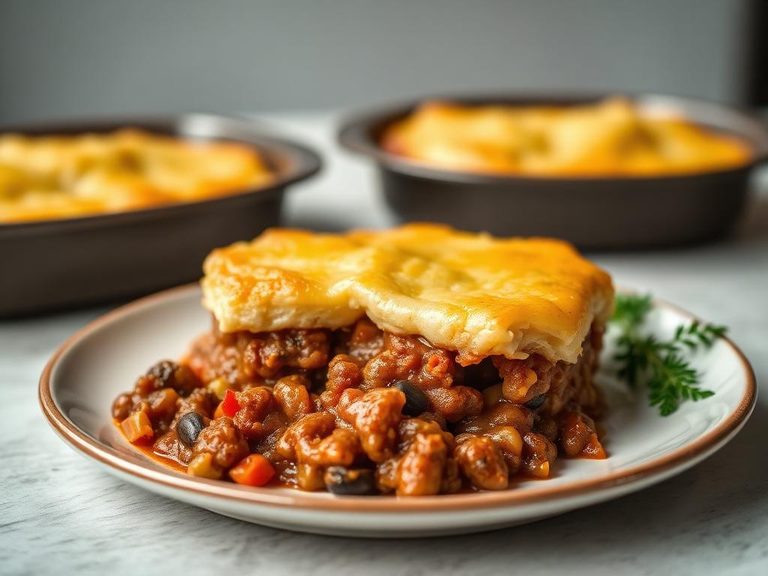
Ground lamb is the traditional meat for the iconic Greek dish 'pastitsio,' a baked pasta often called 'Greek lasagna,' where its rich flavor melds with cinnamon and béchamel.
Full nutrition (USDA data · scales with serving)
| Water | 61.5 g |
| Energy | 255 kcal |
| Energy | 1067 kj |
| Protein | 17.1 g |
| Total lipid (fat) | 20.7 g |
| Ash | 0.82 g |
| Carbohydrate, by difference | 0.00 g |
| Calcium, Ca | 9.0 mg |
| Iron, Fe | 1.4 mg |
| Sodium, Na | 77.0 mg |
Fat & fatty acid profile (per 100g)
| Fatty acids, total saturated | 9.9 g |
| SFA 10:0 | 0.04 g |
| SFA 12:0 | 0.06 g |
| SFA 14:0 | 0.72 g |
| SFA 15:0 | 0.14 g |
| SFA 16:0 | 4.4 g |
| SFA 17:0 | 0.34 g |
| SFA 18:0 | 4.2 g |
| SFA 20:0 | 0.04 g |
| SFA 22:0 | 0.05 g |
| Fatty acids, total monounsaturated | 7.9 g |
| MUFA 14:1 | 0.02 g |
| MUFA 16:1 | 0.23 g |
| MUFA 18:1 | 7.7 g |
| MUFA 18:1 c | 6.4 g |
| MUFA 20:1 | 0.01 g |
| Fatty acids, total polyunsaturated | 1.1 g |
| PUFA 18:2 | 0.74 g |
| PUFA 18:2 n-6 c,c | 0.42 g |
| PUFA 18:3 | 0.26 g |
| PUFA 18:3 n-3 c,c,c (ALA) | 0.25 g |
| PUFA 18:3i | 0.01 g |
| PUFA 20:4 | 0.04 g |
| PUFA 20:5 n-3 (EPA) | 0.02 g |
| PUFA 22:5 n-3 (DPA) | 0.04 g |
| PUFA 22:6 n-3 (DHA) | 0.01 g |
| Fatty acids, total trans | 1.6 g |
| Fatty acids, total trans-monoenoic | 1.3 g |
| TFA 18:1 t | 1.3 g |
| TFA 18:2 t not further defined | 0.32 g |
| Fatty acids, total trans-polyenoic | 0.34 g |
| Cholesterol | 73.0 mg |
Amino acid profile (per 100g)
Estimated from Lamb, New Zealand, imported, ground lamb, cooked, braised — USDA does not publish this profile for Lamb.
| Tryptophan | 0.25 g |
| Threonine | 1.1 g |
| Isoleucine | 1.0 g |
| Leucine | 1.7 g |
| Lysine | 2.0 g |
| Methionine | 0.74 g |
| Cystine | 0.30 g |
| Phenylalanine | 0.89 g |
| Tyrosine | 0.78 g |
| Valine | 1.2 g |
| Arginine | 1.5 g |
| Histidine | 0.48 g |
| Alanine | 1.1 g |
| Glutamic acid | 3.2 g |
| Glycine | 0.97 g |
| Proline | 0.72 g |
| Serine | 0.77 g |
FAQ
How does ground lamb taste different from ground beef?
Ground lamb has a richer, slightly gamier, and more complex flavor than beef. The fat is often more flavorful and has a lower melting point, which can make it feel juicier when cooked properly.
What is the best way to cook it to manage the fat?
For dishes like burgers or meatballs, you can form the patties slightly thinner to allow more fat to render out. After browning, you can drain the cooked meat in a colander to remove excess grease before adding it to sauces.
Is the fat in lamb unhealthy?
Lamb fat is primarily saturated, but it also contains beneficial monounsaturated fats and CLA. In moderation, as part of a balanced diet, it's not considered inherently unhealthy. The key is portion control and balancing with plant-based foods.
Weight-loss friendliness (composite index)
Energy density 2.55 kcal/g · 27% calories from protein · 0.0 g fiber · 0.0 g sugar per 100 g.
Composite of energy density (Rolls et al., 1999), protein & fiber satiety, minus sugar. A calculated heuristic — ranks satiety-per-calorie, not a clinical measure.