

Infant formula, MEAD JOHNSON, ENFAMIL, AR, ready-to-feed, with ARA and DHA
Whole food · Baby Foods

Photo: Wikipedia
Enfamil AR is a ready-to-feed, thickened infant formula designed to reduce spit-up, with a smooth, slightly viscous texture and a mild, milky-sweet taste. It provides 71 calories per 100g, with a balanced mix of protein, fats, and carbohydrates, including added ARA and DHA for brain and eye development. The formula's unique rice starch thickener helps keep feeds down for babies with reflux.
Calorie split: 9% protein · 49% carbs · 42% fat
↓ Full nutrition💚 Why it's loved
Parents love it for its proven effectiveness in managing infant reflux and spit-up, offering peace of mind and more comfortable feeds. The ready-to-feed format is a lifesaver for nighttime feedings or on-the-go convenience.
⚠️ Watch-outs & how to enjoy it better
The thickened consistency can be harder for some babies to transition to from thinner formulas, and the rice starch may not be suitable for infants with specific grain allergies. As with any formula, it should be used under pediatric guidance, and overfeeding can lead to excess calorie intake.
Key benefits
- Clinically shown to reduce spit-up by over 50% in frequent regurgitating infants
- Provides complete nutrition for infants from birth to 12 months
- Enriched with DHA and ARA, fatty acids important for brain and visual development
- Ready-to-feed convenience requires no mixing or measuring
- Contains a dual prebiotic blend to support immune health
🍽️ Popular dishes

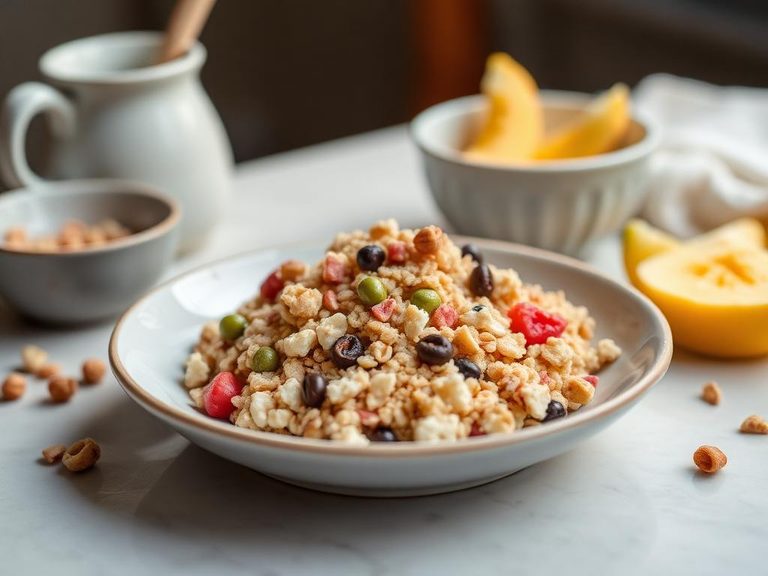
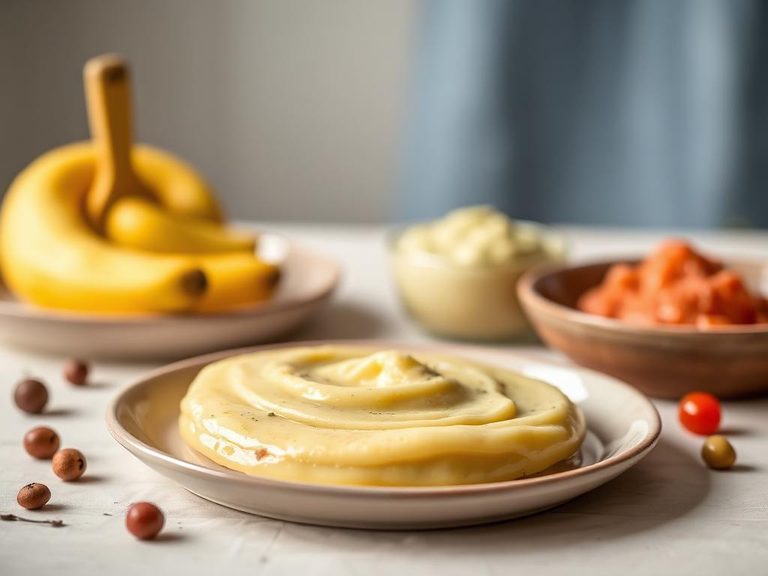

🌍 Where it's eaten
💡 Did you know?
The 'AR' in the name stands for 'Anti-Reflux,' and its thickening mechanism is triggered by stomach acid, meaning it stays thin in the bottle but thickens in the baby's tummy to help prevent spit-up.
Full nutrition (USDA data · scales with serving)
| Water | 86.0 g |
| Energy | 71.0 kcal |
| Energy | 298 kj |
| Protein | 1.6 g |
| Total lipid (fat) | 3.3 g |
| Ash | 0.33 g |
| Carbohydrate, by difference | 8.7 g |
| Fiber, total dietary | 0.40 g |
| Total Sugars | 6.4 g |
| Calcium, Ca | 51.0 mg |
| Iron, Fe | 1.2 mg |
| Magnesium, Mg | 5.0 mg |
| Phosphorus, P | 35.0 mg |
| Potassium, K | 71.0 mg |
| Sodium, Na | 26.0 mg |
| Zinc, Zn | 0.66 mg |
| Copper, Cu | 0.05 mg |
| Selenium, Se | 1.8 ug |
| Vitamin C, total ascorbic acid | 7.9 mg |
| Thiamin | 0.06 mg |
| Riboflavin | 0.10 mg |
| Niacin | 0.68 mg |
| Pantothenic acid | 0.33 mg |
| Vitamin B-6 | 0.04 mg |
| Folate, total | 11.0 ug |
| Folic acid | 11.0 ug |
| Folate, food | 0.00 ug |
| Folate, DFE | 18.0 ug |
| Choline, total | 15.7 mg |
| Vitamin B-12 | 0.21 ug |
| Vitamin B-12, added | 0.21 ug |
| Vitamin A, RAE | 59.0 ug |
| Retinol | 59.0 ug |
| Carotene, beta | 0.00 ug |
| Carotene, alpha | 0.00 ug |
| Cryptoxanthin, beta | 0.00 ug |
| Vitamin A, IU | 197 iu |
| Lycopene | 0.00 ug |
| Lutein + zeaxanthin | 0.00 ug |
| Vitamin E (alpha-tocopherol) | 0.62 mg |
| Vitamin E, added | 0.59 mg |
| Vitamin D (D2 + D3), International Units | 39.0 iu |
| Vitamin D (D2 + D3) | 1.0 ug |
| Vitamin K (phylloquinone) | 5.9 ug |
| Alcohol, ethyl | 0.00 g |
| Caffeine | 0.00 mg |
| Theobromine | 0.00 mg |
Fat & fatty acid profile (per 100g)
| Fatty acids, total saturated | 1.4 g |
| SFA 4:0 | 0.00 g |
| SFA 6:0 | 0.01 g |
| SFA 8:0 | 0.06 g |
| SFA 10:0 | 0.04 g |
| SFA 12:0 | 0.31 g |
| SFA 14:0 | 0.13 g |
| SFA 16:0 | 0.74 g |
| SFA 18:0 | 0.12 g |
| SFA 20:0 | 0.01 g |
| SFA 22:0 | 0.01 g |
| Fatty acids, total monounsaturated | 1.1 g |
| MUFA 16:1 | 0.01 g |
| MUFA 18:1 | 1.1 g |
| MUFA 20:1 | 0.00 g |
| MUFA 22:1 | 0.00 g |
| Fatty acids, total polyunsaturated | 0.62 g |
| PUFA 18:2 | 0.51 g |
| PUFA 18:3 | 0.05 g |
| PUFA 18:4 | 0.00 g |
| PUFA 20:4 | 0.02 g |
| PUFA 20:5 n-3 (EPA) | 0.00 g |
| PUFA 22:5 n-3 (DPA) | 0.00 g |
| PUFA 22:6 n-3 (DHA) | 0.01 g |
| Cholesterol | 1.0 mg |
FAQ
What does the ARA and DHA in this formula do?
ARA (arachidonic acid) and DHA (docosahexaenoic acid) are long-chain polyunsaturated fatty acids naturally found in breast milk. They are crucial building blocks for an infant's developing brain and retina, supporting cognitive and visual function.
Why is this formula thicker than regular formula?
It contains added rice starch. When this starch contacts stomach acid, it thickens the formula's consistency in the baby's stomach, which helps reduce the likelihood of spit-up and reflux.
Can I use this formula from birth?
Yes, Enfamil AR is designed to be a complete and sole source of nutrition for infants from birth through 12 months, but it's specifically intended for babies who spit up frequently. Always consult your pediatrician before starting or switching formulas.
Nutrient density (calculated · NRF9.3)
Nutrient Rich Foods index: beneficial nutrients (protein, fiber, vitamins, minerals) minus saturated fat, added sugar & sodium, per 100 kcal.
NRF9.3 index — Fulgoni, Keast & Drewnowski, 2009. Computed from USDA nutrients.
Weight-loss friendliness (composite index)
Energy density 0.71 kcal/g · 9% calories from protein · 0.4 g fiber · 6.4 g sugar per 100 g.
Composite of energy density (Rolls et al., 1999), protein & fiber satiety, minus sugar. A calculated heuristic — ranks satiety-per-calorie, not a clinical measure.
Dietary load (calculated from USDA values)
Potential renal acid load. Positive = acid-forming, negative = alkaline-forming.
Sodium-to-potassium ratio: 0.37 (lower is better — aim for ≤ 1)
Sodium:potassium per WHO potassium guidance. Computed from USDA nutrients.