Primary infant feeding
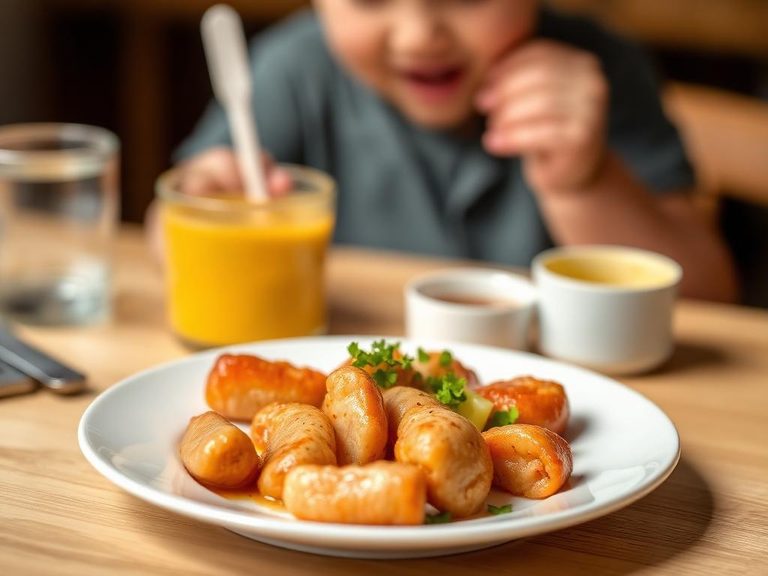
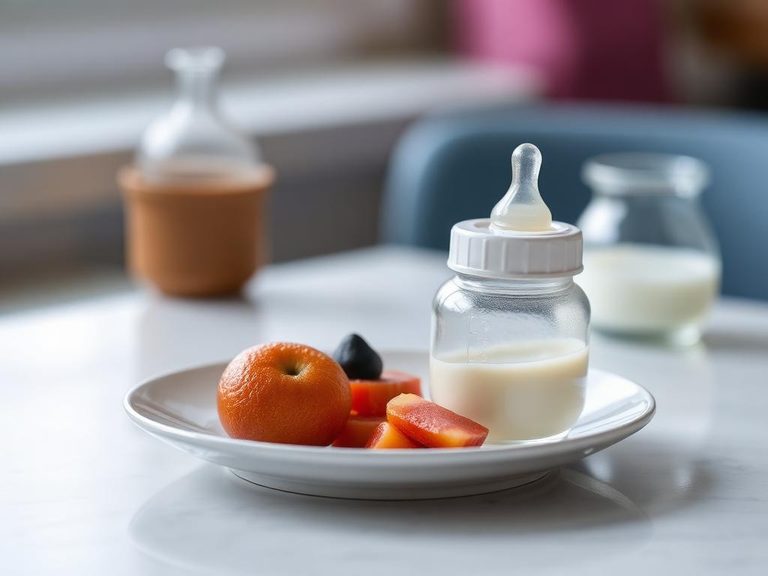
Primary infant feeding is not a single dish but the foundational practice of nourishing babies, typically starting with breast milk or infant formula. It is a universal practice across all cultures, with ingredients being either human milk or a scientifically formulated powder mixed with water. The focus is on providing complete, easily digestible nutrition for a baby's first months of life.
🍽️ Nutrition at a glance
This 'food' is nutritionally complete and balanced, providing a moderate amount of calories (around 120-150 kcal per 240ml serving) primarily from a mix of fats and carbohydrates, with a smaller amount of high-quality protein. It is uniquely designed to deliver essential nutrients like calcium, iron, and vitamins A, C, and D in forms a baby's body can readily absorb.
Nutrition breakdown
| Calories | 130 kcal |
| Protein | 3.5 g |
| Carbs | 14 g |
| Fat | 7 g |
| Fiber | 0 g |
| Sugar | 14 g |
| Sodium | 55 mg |
| Calcium | 130 mg |
| Iron | 1.8 mg |
| Vitamin D | 1.0 mcg |
| Vitamin A | 60 mcg |
| Vitamin C | 12 mg |
| Potassium | 160 mg |
| Phosphorus | 75 mg |
| Zinc | 1.5 mg |
Per 1 feeding (approximately 240 ml or 8 fl oz) · estimated, varies by recipe
💡 What's interesting
What's most unique is that breast milk is a living fluid that dynamically changes its composition feed-by-feed to meet a baby's immediate needs, while formula is a remarkable feat of food science designed to mimic this complex profile. Culturally, the method and duration of infant feeding vary widely, reflecting deep-seated beliefs about health, bonding, and family.