Primary enteral nutrition for NICU patients

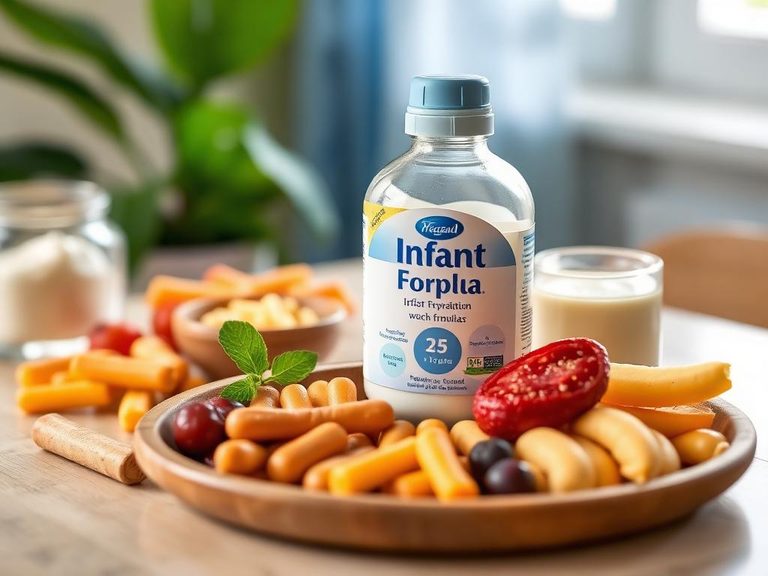
Primary enteral nutrition for NICU patients refers to specialized, sterile liquid formulas designed to provide complete nutrition to premature or critically ill newborns who cannot yet feed by mouth or digest breast milk. These formulas are typically derived from cow's milk proteins that have been extensively hydrolyzed for easier digestion, or from amino acid-based components for infants with severe allergies. They are not a 'dish' in a culinary sense but are medical nutrition products administered via feeding tubes in Neonatal Intensive Care Units.
🍽️ Nutrition at a glance
These formulas are precisely balanced to be high in easily digestible protein and fats (including DHA and ARA for brain development), with controlled carbohydrates, to mimic the nutritional profile of human milk. A typical 24-hour volume for a premature infant might range from 120-180 mL/kg, providing approximately 60-80 kcal per 100 mL, with key nutrients including calcium, phosphorus, and vitamins.
Nutrition breakdown
| Calories | 70 kcal |
| Protein | 2 g |
| Carbs | 7.5 g |
| Fat | 3.5 g |
| Fiber | 0 g |
| Sugar | 4 g |
| Sodium | 25 mg |
| Calcium | 50 mg |
| Phosphorus | 30 mg |
| Iron | 0.3 mg |
| Vitamin A | 60 µg |
| Vitamin D | 1.0 µg |
| Vitamin E | 1.0 mg |
| Potassium | 60 mg |
| Zinc | 0.5 mg |
Per 100 mL (100 g) · estimated, varies by recipe
💡 What's interesting
What makes this nutrition unique is its hyper-personalization; formulas are tailored to an infant's gestational age, weight, and medical condition, often being the sole life-sustaining source of nourishment. The development of these formulas represents a critical intersection of neonatology and food science, aiming to replicate the complex benefits of breast milk for the most vulnerable patients.