

Game meat, antelope, raw
Whole food · Lamb, Veal, and Game Products

Photo: Wikipedia
Antelope meat is a lean, deep-red game meat prized for its clean, subtly sweet flavor and tender, fine-grained texture. With virtually no fat and an exceptionally high protein content, it offers a nutrient-dense, low-calorie option for those seeking wild, pasture-raised protein.
Calorie split: 83% protein · 0% carbs · 17% fat
↓ Full nutrition💚 Why it's loved
People cherish antelope for its delicate, non-gamey flavor that is often compared to premium veal but with a cleaner finish. Its versatility shines in preparations from quick-seared steaks to slow-braised stews, making it a favorite among adventurous home cooks and chefs.
⚠️ Watch-outs & how to enjoy it better
Due to its extremely low fat content, antelope can become tough and dry if overcooked. It is also a lean red meat, so individuals monitoring iron intake or with specific metabolic conditions should consume it in moderation. Counteract dryness by using moist-heat cooking methods like braising or by marinating and cooking quickly to medium-rare.
Key benefits
- Extremely high in protein per calorie.
- Very low in total and saturated fat.
- Rich in iron and B vitamins, especially B12.
- Naturally free from carbohydrates and sugars.
- Often sourced from free-range, wild populations.
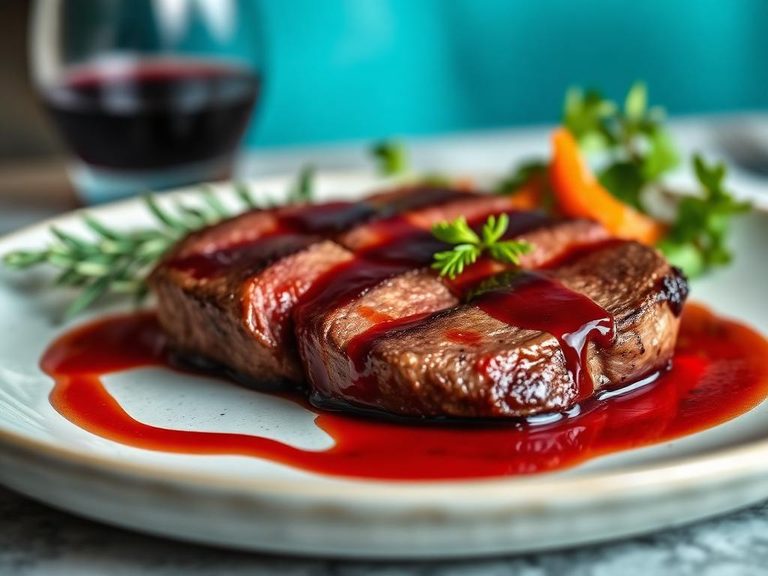
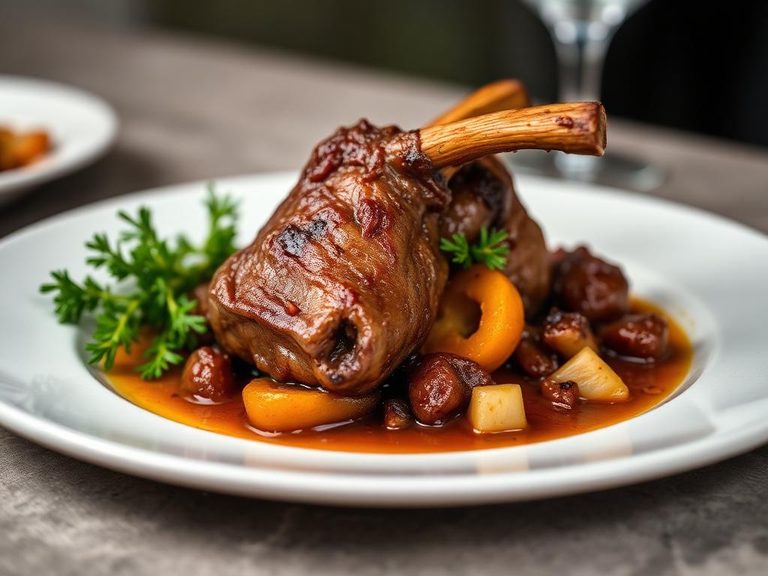
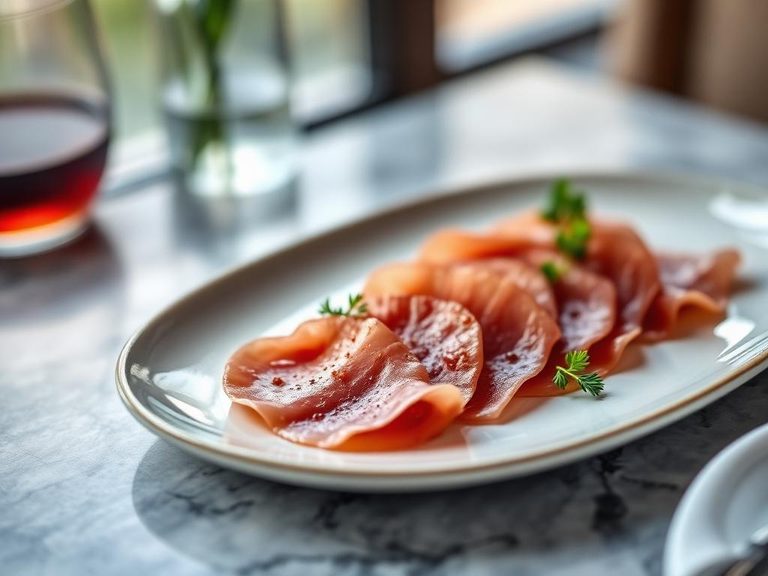
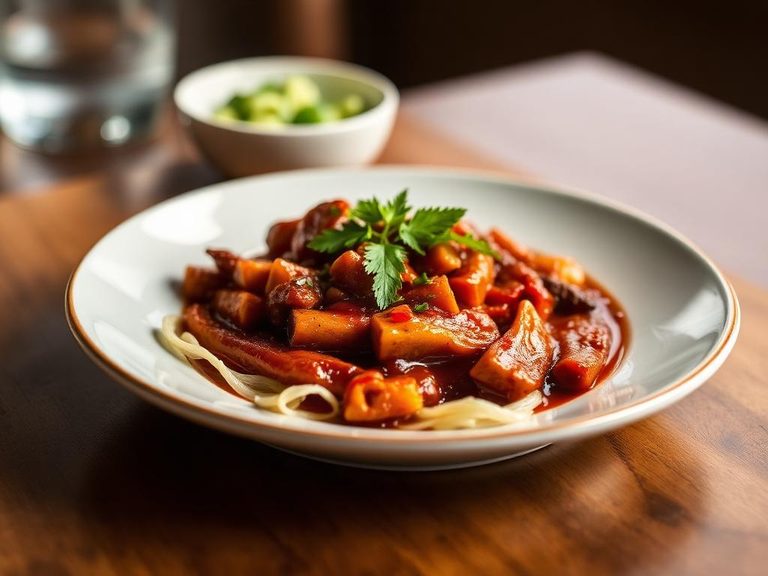
🍽️ Popular dishes
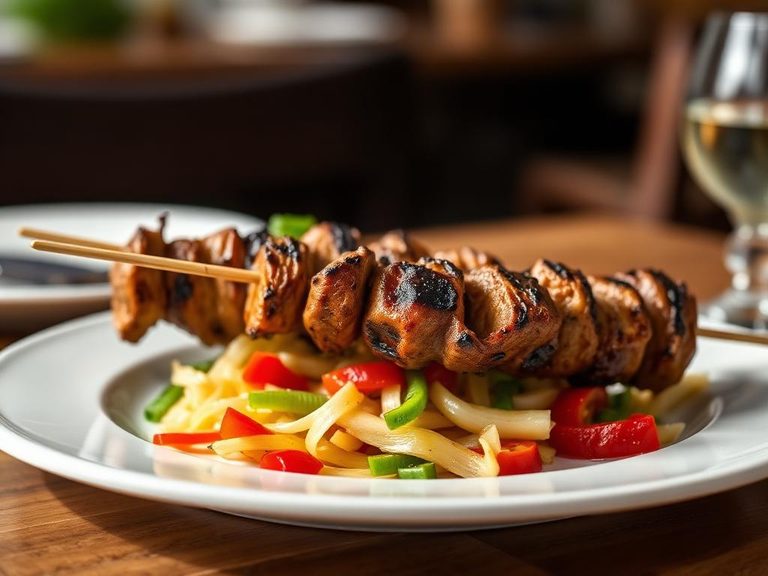
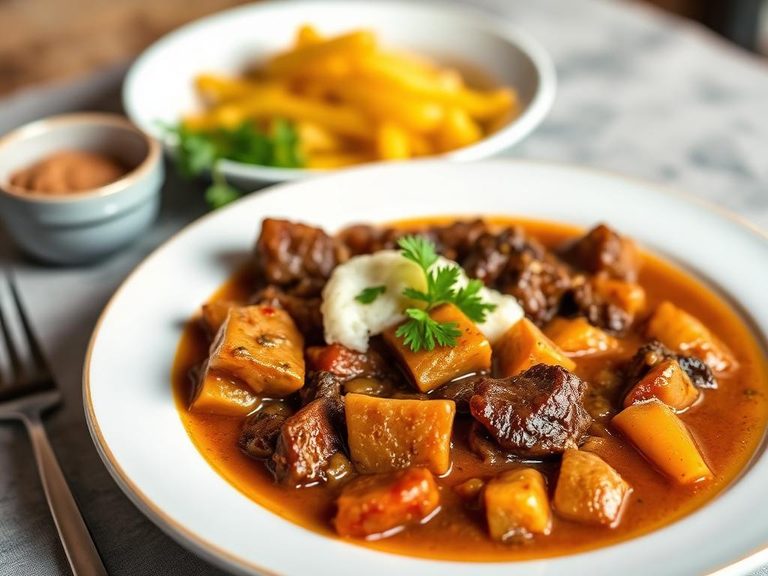
🌍 Where it's eaten
💡 Did you know?
Some species of antelope, like the Pronghorn, are not true antelopes but are the fastest land animals in the Western Hemisphere, capable of sustaining speeds over 55 mph (88 km/h).
Full nutrition (USDA data · scales with serving)
| Water | 74.1 g |
| Energy | 114 kcal |
| Energy | 477 kj |
| Protein | 22.4 g |
| Total lipid (fat) | 2.0 g |
| Ash | 1.1 g |
| Carbohydrate, by difference | 0.00 g |
| Fiber, total dietary | 0.00 g |
| Calcium, Ca | 3.0 mg |
| Iron, Fe | 3.2 mg |
| Magnesium, Mg | 27.0 mg |
| Phosphorus, P | 188 mg |
| Potassium, K | 353 mg |
| Sodium, Na | 51.0 mg |
| Zinc, Zn | 1.3 mg |
| Copper, Cu | 0.18 mg |
| Manganese, Mn | 0.02 mg |
| Selenium, Se | 9.7 ug |
| Vitamin C, total ascorbic acid | 0.00 mg |
| Thiamin | 0.32 mg |
| Riboflavin | 0.58 mg |
| Vitamin A, RAE | 0.00 ug |
| Retinol | 0.00 ug |
| Vitamin A, IU | 0.00 iu |
Fat & fatty acid profile (per 100g)
| Fatty acids, total saturated | 0.74 g |
| SFA 10:0 | 0.00 g |
| SFA 12:0 | 0.00 g |
| SFA 14:0 | 0.02 g |
| SFA 16:0 | 0.34 g |
| SFA 18:0 | 0.37 g |
| Fatty acids, total monounsaturated | 0.48 g |
| MUFA 16:1 | 0.01 g |
| MUFA 18:1 | 0.48 g |
| MUFA 20:1 | 0.00 g |
| Fatty acids, total polyunsaturated | 0.44 g |
| PUFA 18:2 | 0.25 g |
| PUFA 18:3 | 0.07 g |
| PUFA 20:4 | 0.12 g |
| Cholesterol | 95.0 mg |
Amino acid profile (per 100g)
| Threonine | 1.0 g |
| Isoleucine | 0.86 g |
| Leucine | 1.9 g |
| Lysine | 1.9 g |
| Methionine | 0.64 g |
| Cystine | 0.20 g |
| Phenylalanine | 0.89 g |
| Tyrosine | 0.78 g |
| Valine | 0.99 g |
| Arginine | 1.5 g |
| Histidine | 1.1 g |
| Alanine | 1.3 g |
| Aspartic acid | 2.1 g |
| Glutamic acid | 3.4 g |
| Glycine | 1.0 g |
| Proline | 1.0 g |
| Serine | 0.95 g |
FAQ
No, high-quality antelope meat has a very mild, clean flavor often described as similar to lean veal or high-quality beef, without the strong 'wild' taste some associate with game.
How should I cook antelope to keep it tender?
Quick, high-heat methods like grilling or pan-searing to medium-rare are ideal. For tougher cuts, slow-braising in liquid will break down connective tissue and yield a tender result.
Is antelope meat safe to eat raw?
Like any raw meat, it carries a risk of foodborne pathogens. If preparing dishes like carpaccio, it is critical to use fresh, high-quality meat that has been properly handled and chilled, and to source it from a reputable supplier.
Nutrient density (calculated · NRF9.3)
Nutrient Rich Foods index: beneficial nutrients (protein, fiber, vitamins, minerals) minus saturated fat, added sugar & sodium, per 100 kcal.
NRF9.3 index — Fulgoni, Keast & Drewnowski, 2009. Computed from USDA nutrients.
Weight-loss friendliness (composite index)
Energy density 1.14 kcal/g · 79% calories from protein · 0.0 g fiber · 0.0 g sugar per 100 g.
Composite of energy density (Rolls et al., 1999), protein & fiber satiety, minus sugar. A calculated heuristic — ranks satiety-per-calorie, not a clinical measure.
Dietary load (calculated from USDA values)
Potential renal acid load. Positive = acid-forming, negative = alkaline-forming.
Sodium-to-potassium ratio: 0.14 (lower is better — aim for ≤ 1)
Sodium:potassium per WHO potassium guidance. Computed from USDA nutrients.