

Fish, pout, ocean, raw
Whole food · Finfish and Shellfish Products
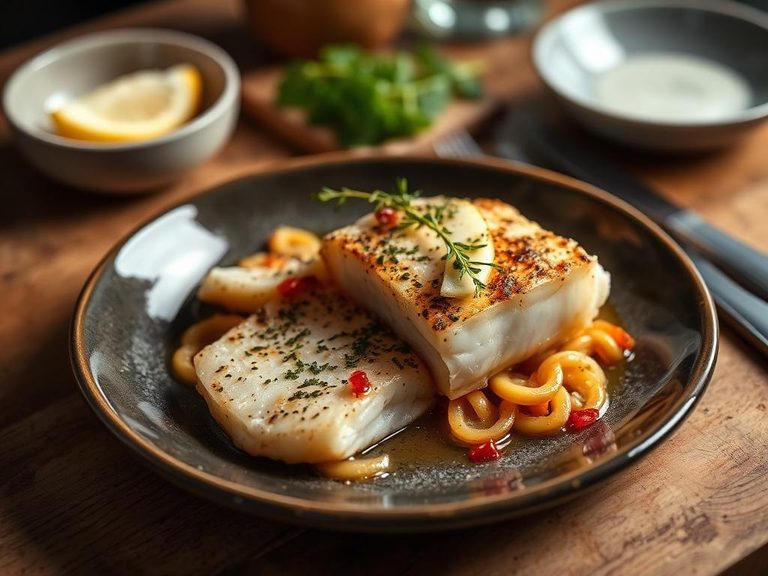
Pout, a small, white-fleshed ocean fish, offers a delicate, mild flavor with a tender, flaky texture similar to cod. It is an exceptionally lean protein source, delivering over 16 grams of protein per 100 grams with virtually no fat or carbohydrates.
Calorie split: 89% protein · 0% carbs · 11% fat
↓ Full nutrition💚 Why it's loved
People appreciate pout for its clean, mild taste that readily absorbs seasonings and sauces, making it a versatile canvas for many cooking styles. Its affordability and sustainable status also make it a popular, everyday choice in coastal communities.
⚠️ Watch-outs & how to enjoy it better
As a very lean fish, it can dry out easily if overcooked, leading to a less appealing texture. To counteract this, use moist-heat cooking methods like poaching, steaming, or baking en papillote, or pair it with a flavorful sauce or a small amount of healthy fat like olive oil.
Key benefits
- Excellent source of lean, high-quality protein
- Very low in fat and calories
- Contains no carbohydrates or sugars
- Good source of essential minerals like phosphorus and selenium
- Sustainable and affordable whitefish option
🍽️ Popular dishes
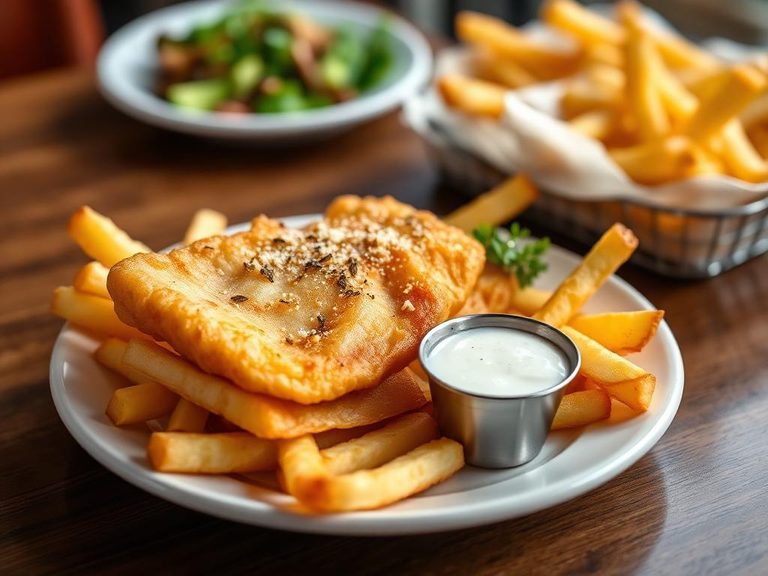
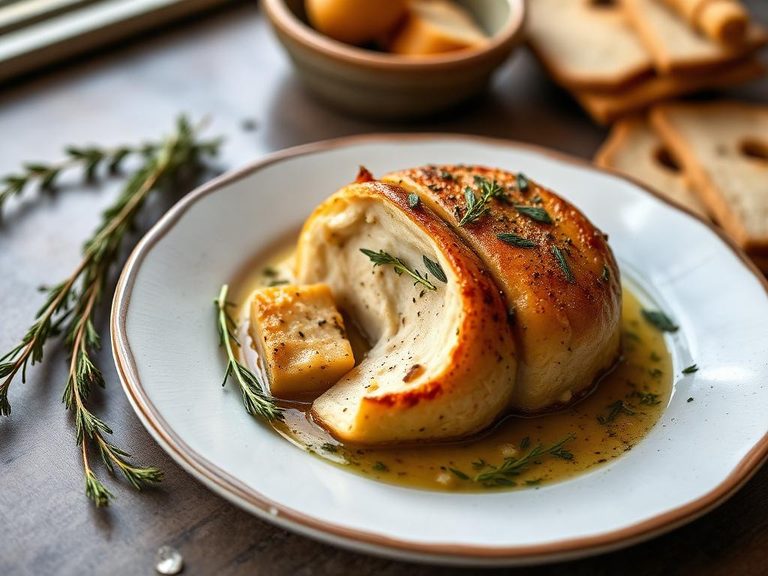
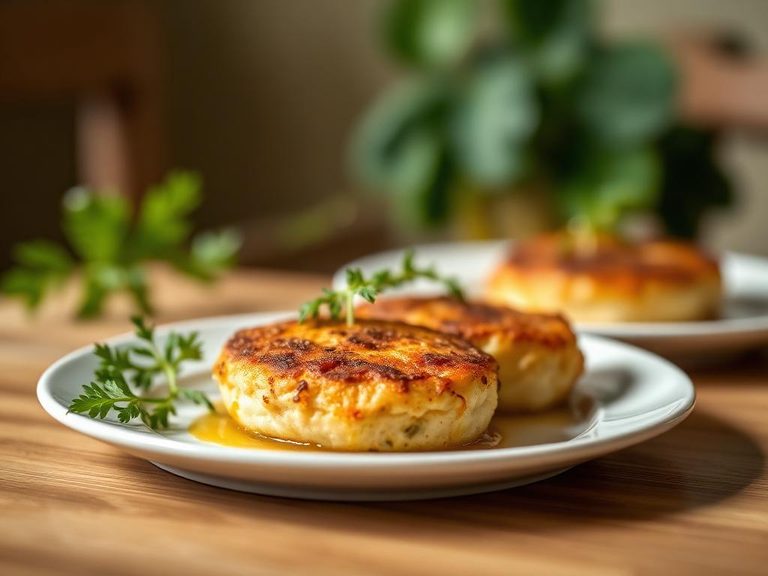
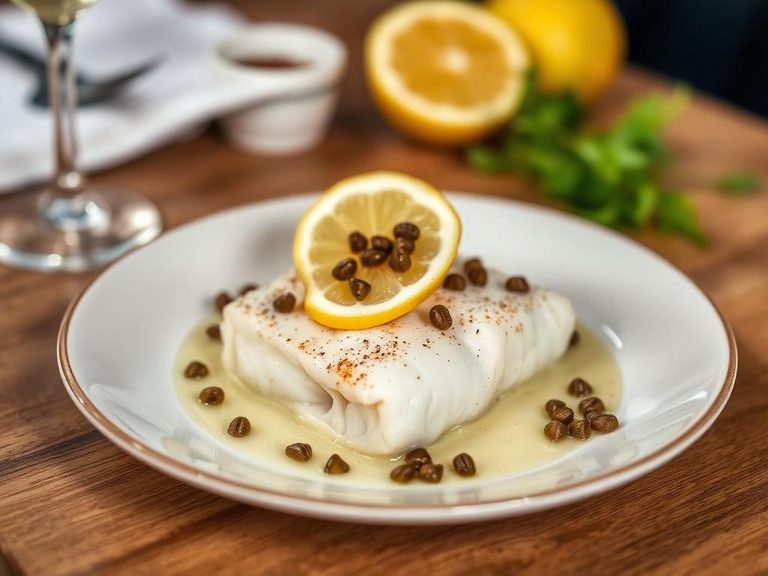
🌍 Where it's eaten
💡 Did you know?
Pout is a member of the cod family and is often caught as bycatch in fisheries targeting other species like haddock and lobster.
Full nutrition (USDA data · scales with serving)
| Water | 81.4 g |
| Energy | 79.0 kcal |
| Energy | 331 kj |
| Protein | 16.6 g |
| Total lipid (fat) | 0.91 g |
| Ash | 1.1 g |
| Carbohydrate, by difference | 0.00 g |
| Fiber, total dietary | 0.00 g |
| Calcium, Ca | 10.0 mg |
| Iron, Fe | 0.28 mg |
| Magnesium, Mg | 13.0 mg |
| Phosphorus, P | 200 mg |
| Potassium, K | 400 mg |
| Sodium, Na | 61.0 mg |
| Zinc, Zn | 1.0 mg |
| Copper, Cu | 0.03 mg |
| Manganese, Mn | 0.01 mg |
| Selenium, Se | 36.5 ug |
| Vitamin C, total ascorbic acid | 0.00 mg |
| Thiamin | 0.08 mg |
| Riboflavin | 0.06 mg |
| Niacin | 2.1 mg |
| Pantothenic acid | 0.15 mg |
| Vitamin B-6 | 0.24 mg |
| Folate, total | 7.0 ug |
| Folic acid | 0.00 ug |
| Folate, food | 7.0 ug |
| Folate, DFE | 7.0 ug |
| Vitamin B-12 | 0.90 ug |
| Vitamin A, RAE | 12.0 ug |
| Retinol | 12.0 ug |
| Vitamin A, IU | 40.0 iu |
Fat & fatty acid profile (per 100g)
| Fatty acids, total saturated | 0.32 g |
| SFA 8:0 | 0.06 g |
| SFA 14:0 | 0.03 g |
| SFA 16:0 | 0.18 g |
| SFA 18:0 | 0.06 g |
| Fatty acids, total monounsaturated | 0.33 g |
| MUFA 16:1 | 0.08 g |
| MUFA 18:1 | 0.25 g |
| Fatty acids, total polyunsaturated | 0.03 g |
| PUFA 18:2 | 0.03 g |
| Cholesterol | 52.0 mg |
Amino acid profile (per 100g)
| Tryptophan | 0.19 g |
| Threonine | 0.73 g |
| Isoleucine | 0.77 g |
| Leucine | 1.4 g |
| Lysine | 1.5 g |
| Methionine | 0.49 g |
| Cystine | 0.18 g |
| Phenylalanine | 0.65 g |
| Tyrosine | 0.56 g |
| Valine | 0.86 g |
| Arginine | 1.00 g |
| Histidine | 0.49 g |
| Alanine | 1.0 g |
| Aspartic acid | 1.7 g |
| Glutamic acid | 2.5 g |
| Glycine | 0.80 g |
| Proline | 0.59 g |
| Serine | 0.68 g |
FAQ
How is pout different from cod?
Pout is generally smaller, more abundant, and has a slightly milder, sweeter flavor than Atlantic cod. Its texture is very similar, making it a common substitute in recipes.
Is pout a sustainable fish choice?
Yes, pout populations in the North Atlantic are generally considered well-managed and sustainable, often recommended by seafood guides as a good alternative to more pressured species.
What's the best way to cook pout to keep it moist?
Because it's very lean, quick, moist cooking methods are ideal. Try poaching in broth or wine, steaming, or baking at a moderate temperature. Avoid overcooking.
Nutrient density (calculated · NRF9.3)
Nutrient Rich Foods index: beneficial nutrients (protein, fiber, vitamins, minerals) minus saturated fat, added sugar & sodium, per 100 kcal.
NRF9.3 index — Fulgoni, Keast & Drewnowski, 2009. Computed from USDA nutrients.
Weight-loss friendliness (composite index)
Energy density 0.79 kcal/g · 84% calories from protein · 0.0 g fiber · 0.0 g sugar per 100 g.
Composite of energy density (Rolls et al., 1999), protein & fiber satiety, minus sugar. A calculated heuristic — ranks satiety-per-calorie, not a clinical measure.
Dietary load (calculated from USDA values)
Potential renal acid load. Positive = acid-forming, negative = alkaline-forming.
Sodium-to-potassium ratio: 0.15 (lower is better — aim for ≤ 1)
Sodium:potassium per WHO potassium guidance. Computed from USDA nutrients.