

Cookies, ladyfingers, without lemon juice and rind
Whole food · Baked Products

Photo: Wikipedia
Ladyfingers (savoiardi) are delicate, dry sponge biscuits with a crisp exterior and a soft, porous interior that quickly absorbs liquids. Their mild, subtly sweet flavor makes them a neutral canvas for other ingredients. At 363 kcal per 100g, they are a concentrated source of carbohydrate energy, primarily from refined flour and eggs.
Calorie split: 12% protein · 66% carbs · 23% fat
↓ Full nutrition💚 Why it's loved
People love ladyfingers for their unique ability to transform from crisp to melt-in-your-mouth when soaked, forming the essential structure of iconic desserts like tiramisu. Their subtle sweetness allows the flavors of coffee, liqueurs, and creams to shine.
⚠️ Watch-outs & how to enjoy it better
As a refined carbohydrate with a high glycemic index, they can cause rapid blood sugar spikes, making them unsuitable for low-carb diets or those managing diabetes. To counteract this, pair them with protein and fat (like mascarpone or nuts) in a dish, or strictly control portion size.
Key benefits
- Provides quick, accessible energy from carbohydrates.
- Contains eggs, offering some protein and choline.
- Lightweight and shelf-stable for easy storage.
- Its porous texture is ideal for soaking up flavors in desserts.
🍽️ Popular dishes
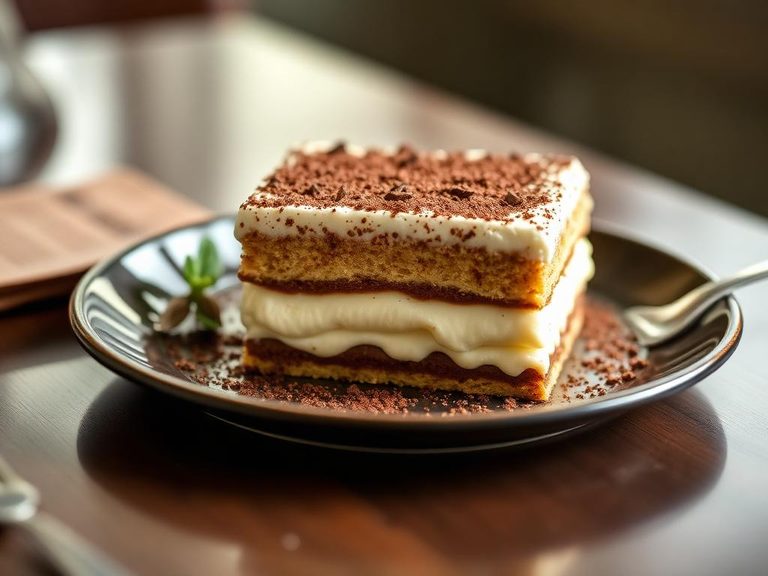
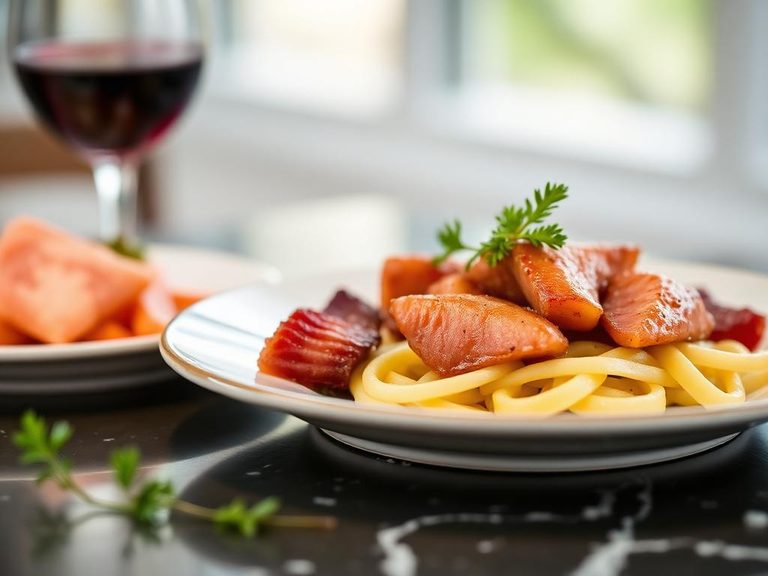
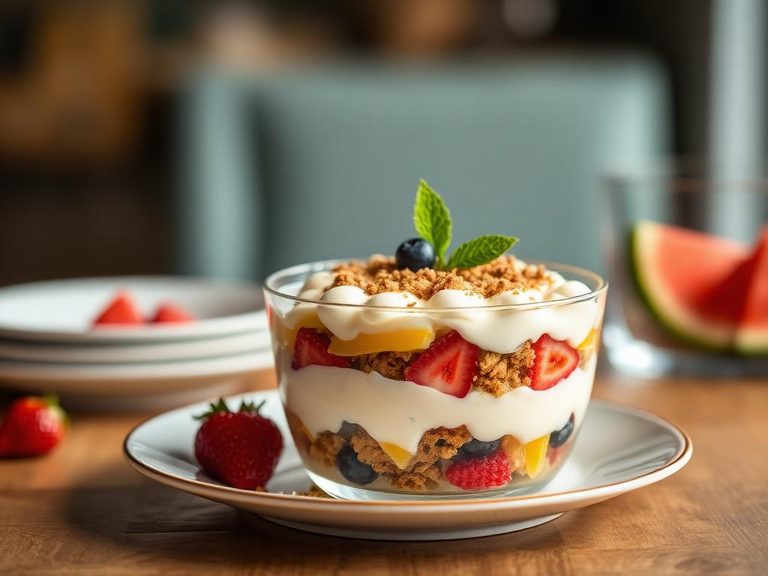
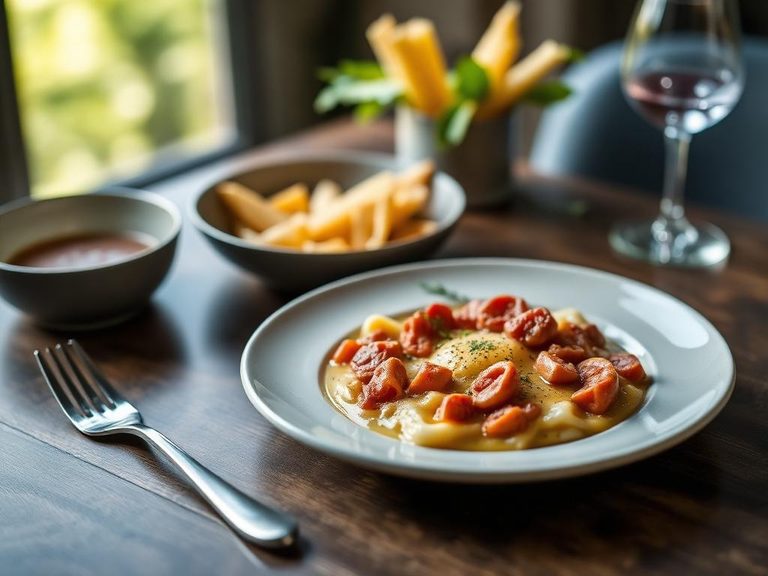
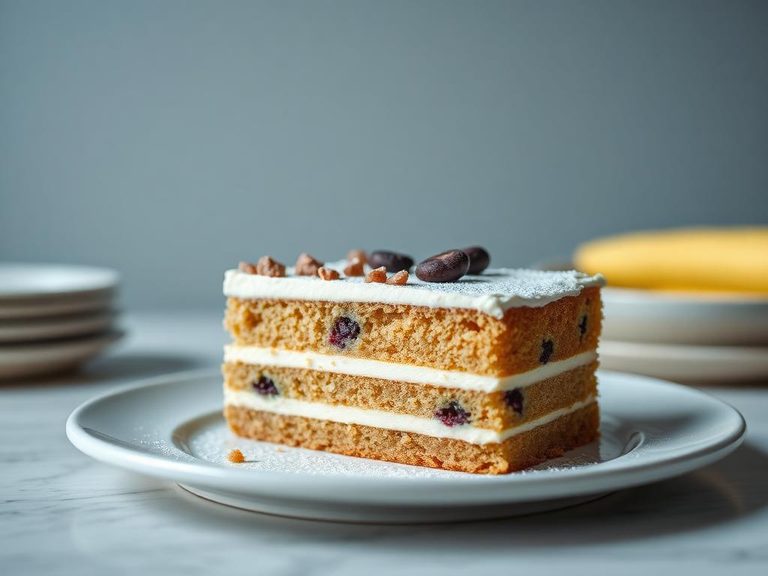
🌍 Where it's eaten
💡 Did you know?
The name 'savoiardi' means 'Savoyards,' as they were originally created in the 15th century for the court of the House of Savoy.
Full nutrition (USDA data · scales with serving)
| Water | 19.5 g |
| Energy | 363 kcal |
| Energy | 1519 kj |
| Protein | 10.6 g |
| Total lipid (fat) | 9.1 g |
| Ash | 1.1 g |
| Carbohydrate, by difference | 59.7 g |
| Fiber, total dietary | 1.0 g |
| Calcium, Ca | 47.0 mg |
| Iron, Fe | 3.6 mg |
| Magnesium, Mg | 12.0 mg |
| Phosphorus, P | 173 mg |
| Potassium, K | 113 mg |
| Sodium, Na | 147 mg |
| Zinc, Zn | 1.1 mg |
| Copper, Cu | 0.10 mg |
| Manganese, Mn | 0.24 mg |
| Vitamin C, total ascorbic acid | 0.00 mg |
| Thiamin | 0.28 mg |
| Riboflavin | 0.43 mg |
| Niacin | 2.1 mg |
| Pantothenic acid | 1.1 mg |
| Vitamin B-6 | 0.12 mg |
| Folate, total | 77.0 ug |
| Folic acid | 40.0 ug |
| Folate, food | 37.0 ug |
| Folate, DFE | 105 ug |
| Vitamin B-12 | 0.75 ug |
| Vitamin A, RAE | 167 ug |
| Retinol | 167 ug |
| Vitamin A, IU | 556 iu |
Fat & fatty acid profile (per 100g)
| Fatty acids, total saturated | 3.0 g |
| SFA 8:0 | 0.00 g |
| SFA 10:0 | 0.00 g |
| SFA 12:0 | 0.00 g |
| SFA 14:0 | 0.03 g |
| SFA 16:0 | 2.2 g |
| SFA 18:0 | 0.77 g |
| Fatty acids, total monounsaturated | 3.7 g |
| MUFA 16:1 | 0.29 g |
| MUFA 18:1 | 3.4 g |
| MUFA 20:1 | 0.03 g |
| MUFA 22:1 | 0.00 g |
| Fatty acids, total polyunsaturated | 1.4 g |
| PUFA 18:2 | 1.2 g |
| PUFA 18:3 | 0.04 g |
| PUFA 20:4 | 0.14 g |
| PUFA 20:5 n-3 (EPA) | 0.00 g |
| PUFA 22:6 n-3 (DHA) | 0.04 g |
| Cholesterol | 221 mg |
Amino acid profile (per 100g)
| Tryptophan | 0.13 g |
| Threonine | 0.47 g |
| Isoleucine | 0.52 g |
| Leucine | 0.86 g |
| Lysine | 0.68 g |
| Methionine | 0.27 g |
| Cystine | 0.22 g |
| Phenylalanine | 0.51 g |
| Tyrosine | 0.41 g |
| Valine | 0.58 g |
| Arginine | 0.61 g |
| Histidine | 0.25 g |
| Alanine | 0.50 g |
| Aspartic acid | 0.89 g |
| Glutamic acid | 1.9 g |
| Glycine | 0.35 g |
| Proline | 0.63 g |
| Serine | 0.76 g |
FAQ
Why are ladyfingers so dry and hard?
They are baked to a low moisture content to give them a long shelf life and, more importantly, to create a porous structure that acts like a sponge, perfect for absorbing coffee, syrup, or liqueur in desserts without disintegrating.
Can I make ladyfingers at home?
Yes. They are a simple sponge batter of eggs, sugar, and flour, piped into finger shapes and baked until dry. Homemade versions can be softer and more cake-like than the store-bought, crisp variety.
What's the difference between ladyfingers and sponge cake?
Ladyfingers are a specific type of small, dry sponge biscuit. Sponge cake is a broader category of light, airy cake. Ladyfingers are essentially sponge cake batter shaped and baked to be drier and more structural.
Nutrient density (calculated · NRF9.3)
Nutrient Rich Foods index: beneficial nutrients (protein, fiber, vitamins, minerals) minus saturated fat, added sugar & sodium, per 100 kcal.
NRF9.3 index — Fulgoni, Keast & Drewnowski, 2009. Computed from USDA nutrients.
Weight-loss friendliness (composite index)
Energy density 3.63 kcal/g · 12% calories from protein · 1.0 g fiber · 0.0 g sugar per 100 g.
Composite of energy density (Rolls et al., 1999), protein & fiber satiety, minus sugar. A calculated heuristic — ranks satiety-per-calorie, not a clinical measure.
Dietary load (calculated from USDA values)
Potential renal acid load. Positive = acid-forming, negative = alkaline-forming.
Sodium-to-potassium ratio: 1.30 (lower is better — aim for ≤ 1)
Sodium:potassium per WHO potassium guidance. Computed from USDA nutrients.