

Classic mixed vegetables, frozen, cooked, no added fat
Common food
A convenient medley of carrots, peas, corn, and green beans, flash-frozen at peak ripeness and cooked to a tender-crisp finish. The flavor is a clean, sweet-earthy balance, with the corn and peas providing a subtle pop of natural sugar. Nutritionally, it's a low-calorie, high-fiber powerhouse, delivering a broad spectrum of vitamins with virtually no fat.
Calorie split: 18% protein · 80% carbs · 2% fat
↓ Full nutrition💚 Why it's loved
People love the sweet, familiar taste and the satisfying texture contrast between the soft peas and firmer carrots. Its ultimate versatility makes it a go-to for everything from quick stir-fries to comforting soups and holiday sides.
⚠️ Watch-outs & how to enjoy it better
The natural sugars in corn and peas can contribute to a moderate glycemic response, which may concern those managing blood sugar. To counteract this, pair the vegetables with a source of protein (like chicken or tofu) or healthy fat (like olive oil or avocado) to slow digestion and stabilize blood sugar levels.
Key benefits
- Excellent source of dietary fiber (4.4g per 100g) for digestive health.
- Very low in fat (0.15g per 100g), making it ideal for low-fat diets.
- Good source of plant-based protein (2.85g per 100g) for a vegetable.
- Provides a diverse range of vitamins and minerals from multiple vegetable types.
- Quick, no-prep side dish that reduces food waste.
🍽️ Popular dishes
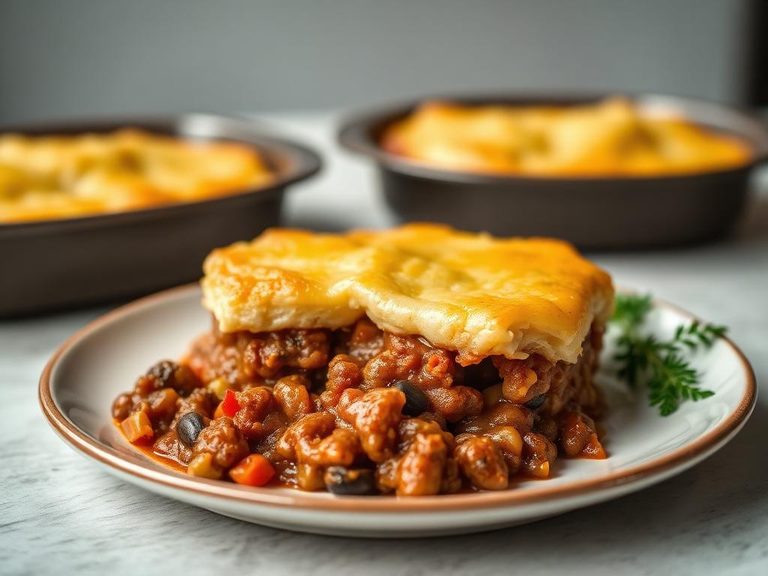
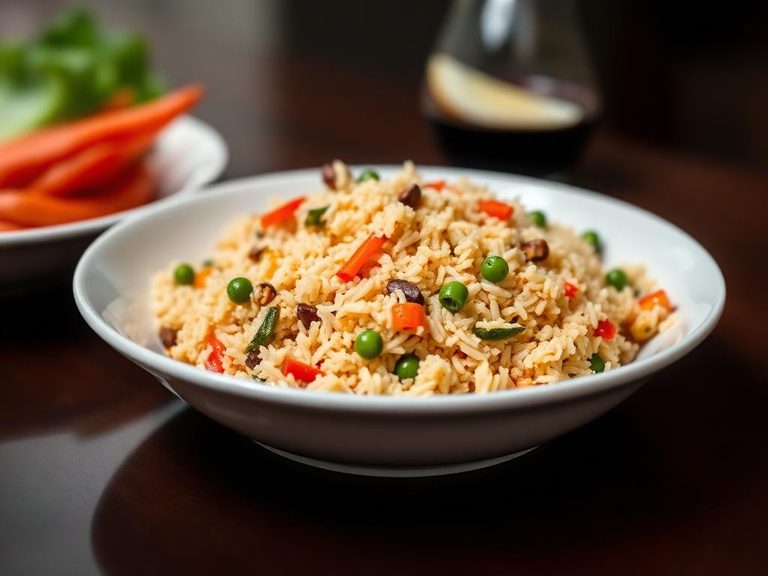
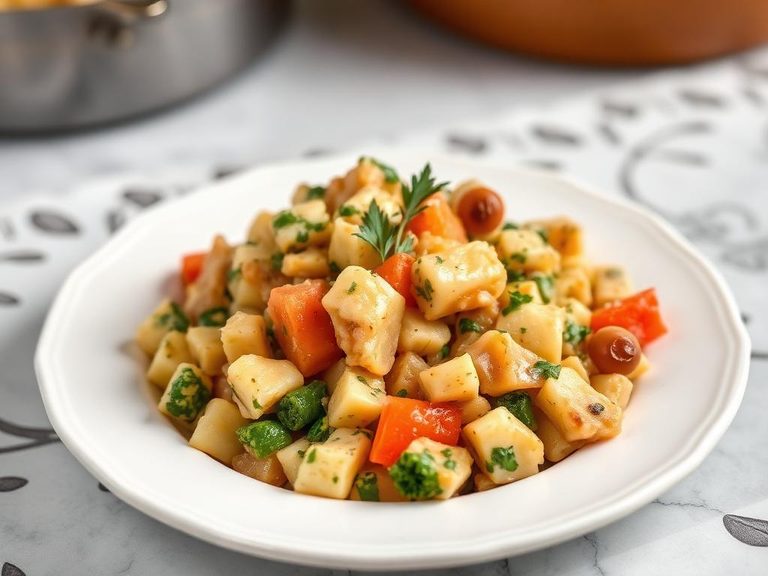
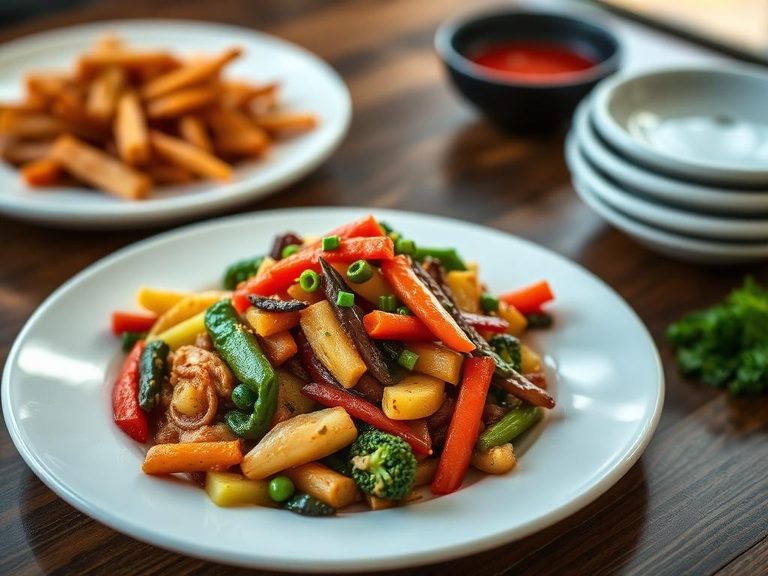
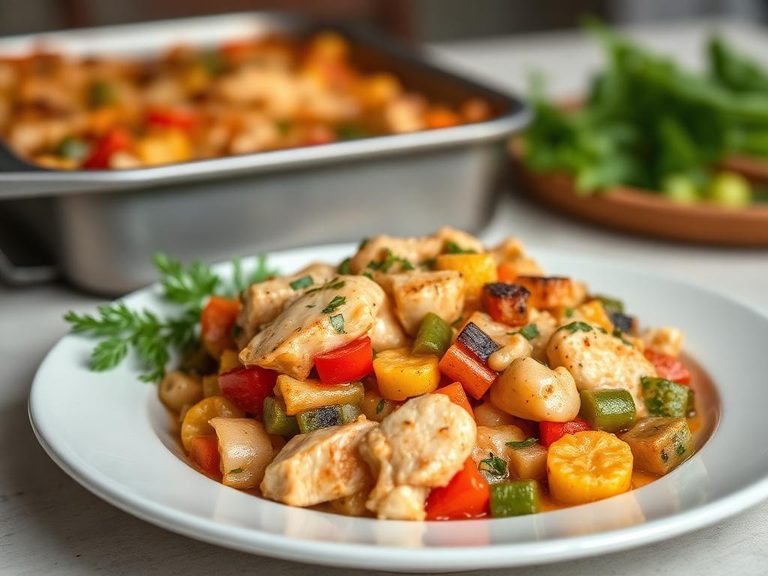
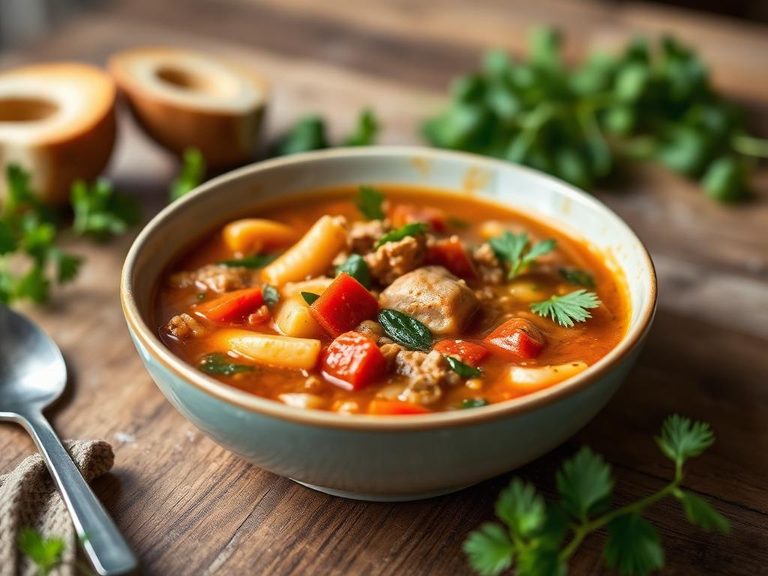
🌍 Where it's eaten
💡 Did you know?
The 'mixed vegetable' blend was popularized in the mid-20th century by the frozen food industry, specifically the Birdseye company, as a way to standardize and preserve seasonal produce for year-round consumption.
Full nutrition (USDA data · scales with serving)
| Water | 83.0 g |
| Energy | 65.0 kcal |
| Protein | 2.9 g |
| Total lipid (fat) | 0.15 g |
| Carbohydrate, by difference | 13.1 g |
| Fiber, total dietary | 4.4 g |
| Total Sugars | 3.1 g |
| Calcium, Ca | 25.0 mg |
| Iron, Fe | 0.82 mg |
| Magnesium, Mg | 22.0 mg |
| Phosphorus, P | 51.0 mg |
| Potassium, K | 168 mg |
| Sodium, Na | 151 mg |
| Zinc, Zn | 0.49 mg |
| Copper, Cu | 0.08 mg |
| Selenium, Se | 0.30 ug |
| Vitamin C, total ascorbic acid | 3.2 mg |
| Thiamin | 0.07 mg |
| Riboflavin | 0.12 mg |
| Niacin | 0.85 mg |
| Vitamin B-6 | 0.07 mg |
| Folate, total | 19.0 ug |
| Folic acid | 0.00 ug |
| Folate, food | 19.0 ug |
| Folate, DFE | 19.0 ug |
| Choline, total | 24.0 mg |
| Vitamin B-12 | 0.00 ug |
| Vitamin B-12, added | 0.00 ug |
| Vitamin A, RAE | 213 ug |
| Retinol | 0.00 ug |
| Carotene, beta | 2076 ug |
| Carotene, alpha | 965 ug |
| Cryptoxanthin, beta | 0.00 ug |
| Lycopene | 0.00 ug |
| Lutein + zeaxanthin | 635 ug |
| Vitamin E (alpha-tocopherol) | 0.38 mg |
| Vitamin E, added | 0.00 mg |
| Vitamin D (D2 + D3) | 0.00 ug |
| Vitamin K (phylloquinone) | 23.4 ug |
| Alcohol, ethyl | 0.00 g |
| Caffeine | 0.00 mg |
| Theobromine | 0.00 mg |
Fat & fatty acid profile (per 100g)
| Fatty acids, total saturated | 0.03 g |
| SFA 4:0 | 0.00 g |
| SFA 6:0 | 0.00 g |
| SFA 8:0 | 0.00 g |
| SFA 10:0 | 0.00 g |
| SFA 12:0 | 0.00 g |
| SFA 14:0 | 0.00 g |
| SFA 16:0 | 0.03 g |
| SFA 18:0 | 0.00 g |
| Fatty acids, total monounsaturated | 0.01 g |
| MUFA 16:1 | 0.00 g |
| MUFA 18:1 | 0.01 g |
| MUFA 20:1 | 0.00 g |
| MUFA 22:1 | 0.00 g |
| Fatty acids, total polyunsaturated | 0.07 g |
| PUFA 18:2 | 0.05 g |
| PUFA 18:3 | 0.02 g |
| PUFA 18:4 | 0.00 g |
| PUFA 20:4 | 0.00 g |
| PUFA 20:5 n-3 (EPA) | 0.00 g |
| PUFA 22:5 n-3 (DPA) | 0.00 g |
| PUFA 22:6 n-3 (DHA) | 0.00 g |
| Cholesterol | 0.00 mg |
FAQ
Are frozen mixed vegetables as nutritious as fresh?
Yes, often more so. They are typically flash-frozen shortly after harvest, which locks in vitamins and minerals that can degrade in fresh produce during transport and storage.
How should I cook frozen mixed vegetables for the best texture?
For a tender-crisp texture, steam them for 3-5 minutes or sauté them in a pan with a little water or broth until heated through. Avoid over-boiling, which can make them mushy and leach out nutrients.
Is this a good option for a low-carb diet?
With 13g of carbs per 100g, it's moderate. The carbs come from starchy vegetables like corn and peas. For strict low-carb diets, consider smaller portions or choosing lower-carb vegetable mixes.
Nutrient density (calculated · NRF9.3)
Nutrient Rich Foods index: beneficial nutrients (protein, fiber, vitamins, minerals) minus saturated fat, added sugar & sodium, per 100 kcal.
NRF9.3 index — Fulgoni, Keast & Drewnowski, 2009. Computed from USDA nutrients.
Weight-loss friendliness (composite index)
Energy density 0.65 kcal/g · 18% calories from protein · 4.4 g fiber · 3.1 g sugar per 100 g.
Composite of energy density (Rolls et al., 1999), protein & fiber satiety, minus sugar. A calculated heuristic — ranks satiety-per-calorie, not a clinical measure.
Dietary load (calculated from USDA values)
Potential renal acid load. Positive = acid-forming, negative = alkaline-forming.
Sodium-to-potassium ratio: 0.90 (lower is better — aim for ≤ 1)
Sodium:potassium per WHO potassium guidance. Computed from USDA nutrients.